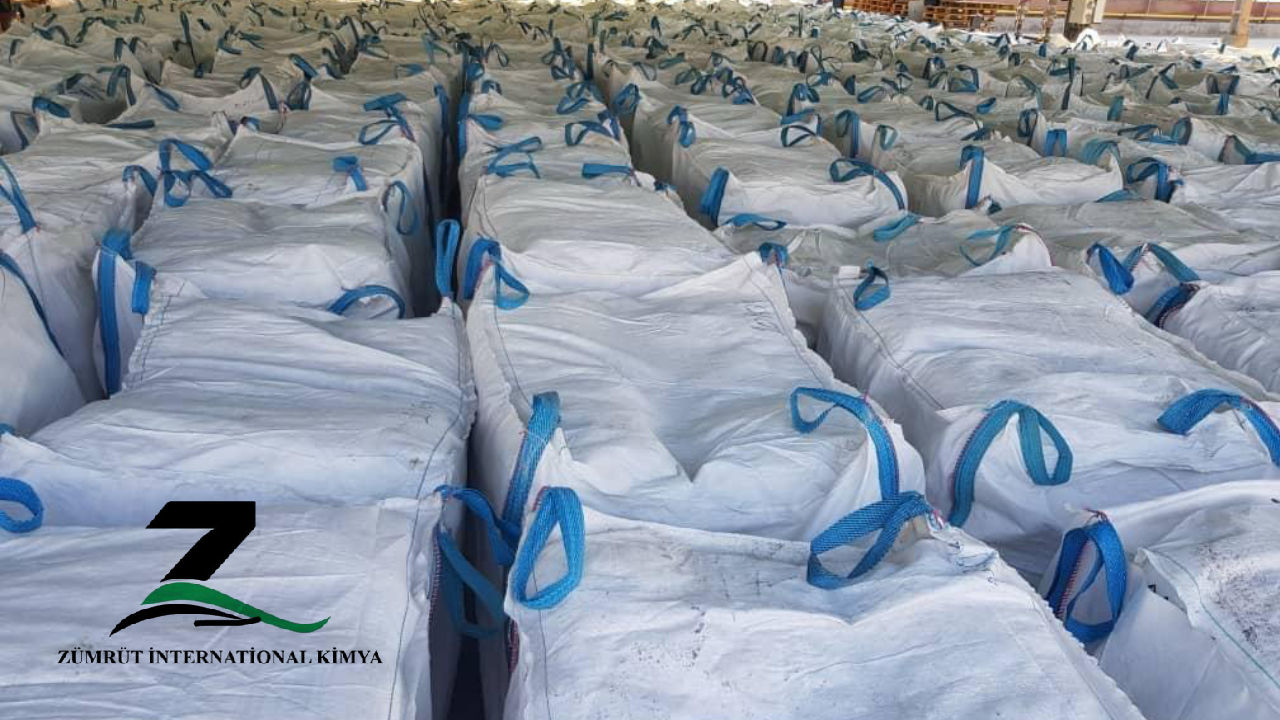
Comprehensive explanation for sodium hydroxide
Sodium hydroxide (NaOH) Caustic soda, also known as caustic soda or lye, is a highly versatile and widely used chemical compound. Here’s a comprehensive explanation covering its properties, uses, production, and safety considerations:
Chemical Properties
- Molecular Formula: NaOH
- Appearance: White, crystalline solid in pure form; it can also be found as a solution in water.
- Solubility: Highly soluble in water, and the dissolution process is exothermic (releases heat).
- pH: Aqueous solutions of sodium hydroxide are strongly alkaline, with a pH of around 14.
- Reactivity: NaOH is a strong base and reacts readily with acids, forming water and salts. It can also react with certain metals and organic compounds.
Uses
Industrial Applications
- Chemical Manufacturing: Used in the production of various chemicals such as Sodium Hydroxide (NaOH) (bleach), sodium phosphate, and synthetic detergents.
- Paper and Pulp Industry: Employed in the Kraft process for converting wood into wood pulp.
- Textile Industry: Used in the mercerization of cotton, improving the strength, dye uptake, and sheen of the fibers.
- Soap and Detergent Production: Acts as a key ingredient in the saponification process, converting fats and oils into soap.
- Water Treatment: Utilized to adjust pH levels in water treatment plants and to neutralize acidic waste streams.
Domestic Uses
- Cleaning Products: Found in drain cleaners, oven cleaners, and some household cleaning agents due to its ability to dissolve grease, proteins, and organic matter.
- Food Industry: Regulated as a food additive (E524) and used for peeling fruits and vegetables, processing cocoa and chocolate, and as a thickening agent.
Production
Sodium Hydroxide (NaOH) (Caustic soda) is primarily produced via the *chloralkali process*, which involves the electrolysis of sodium chloride (table salt) solution. The process yields chlorine gas, hydrogen gas, and aqueous sodium hydroxide. There are three main methods:
- Mercury Cell Process: Uses mercury as the cathode, producing very pure NaOH but posing environmental and health risks.
- Diaphragm Cell Process: Uses a porous diaphragm to separate the products, resulting in a less pure but safer process.
- Membrane Cell Process: Employs ion-exchange membranes and is considered the most efficient and environmentally friendly method.
Safety Considerations
- Caustic Nature: NaOH is highly corrosive and can cause severe burns to skin and eyes. Protective clothing, gloves, and eye protection are necessary when handling it.
- Inhalation Risks: Dust or mist from Sodium Hydroxide (NaOH) solutions can irritate respiratory tracts. Adequate ventilation and respiratory protection are important.
- Environmental Impact: Spills or improper disposal can lead to significant environmental damage due to its high alkalinity, affecting aquatic life and soil composition.
Handling and Storage
- Storage: Sodium Hydroxide (NaOH) should be stored in airtight, corrosion-resistant containers. It should be kept away from acids, organic materials, and metals.
- Handling: Proper training and safety protocols must be followed. Emergency showers and eye wash stations should be readily accessible in areas where NaOH is used.
First Aid Measures
- Skin Contact: Rinse immediately with plenty of water for at least 15 minutes. Remove contaminated clothing.
- Eye Contact: Rinse cautiously with water for several minutes. Seek medical attention immediately.
- Ingestion: Do not induce vomiting. Rinse mouth and seek medical attention immediately.
Environmental and Regulatory Aspects
- Regulations: NaOH is regulated by various environmental and safety agencies, including OSHA (Occupational Safety and Health Administration) and the EPA (Environmental Protection Agency) in the United States.
- Waste Disposal: Must be neutralized and disposed of according to local regulations to prevent environmental harm.
In the production of synthetic detergents, sodium hydroxide plays a crucial role in several key processes:
- Saponification
Sodium hydroxide is used to convert fats and oils (triglycerides) into soap and glycerol. This process, known as saponification, involves breaking the ester bonds in triglycerides, resulting in the formation of soap (a sodium salt of fatty acids) and glycerol. This soap can then be used as a surfactant in synthetic detergents. - Sulfonation
In the manufacture of synthetic detergents, sulfonation is a common process where organic compounds are treated with sulfuric acid or sulfur trioxide to introduce sulfonic acid groups. Sodium hydroxide is used to neutralize these sulfonic acids, forming sodium salts, which are key active ingredients in many detergents. These sodium salts of sulfonic acids are highly effective surfactants that help to remove dirt and grease. - Neutralization
After the sulfonation process, the resulting sulfonic acids need to be neutralized to form the active detergent components. Sodium hydroxide is often used in this neutralization process to convert the acidic components into their sodium salt forms, which are the actual surfactants used in detergent formulations. - Hydrolysis of Protein-Based Materials
Sodium hydroxide is also used to hydrolyze protein-based materials, such as those found in some types of stains. This hydrolysis process breaks down proteins into smaller, more water-soluble fragments, making it easier for the detergent to remove protein-based stains from fabrics. - Stabilization of Surfactants
In some detergent formulations, sodium hydroxide is used to maintain the stability and effectiveness of surfactants. By ensuring the correct pH level, sodium hydroxide helps to optimize the performance of the surfactants, ensuring they remain active and effective during storage and use.
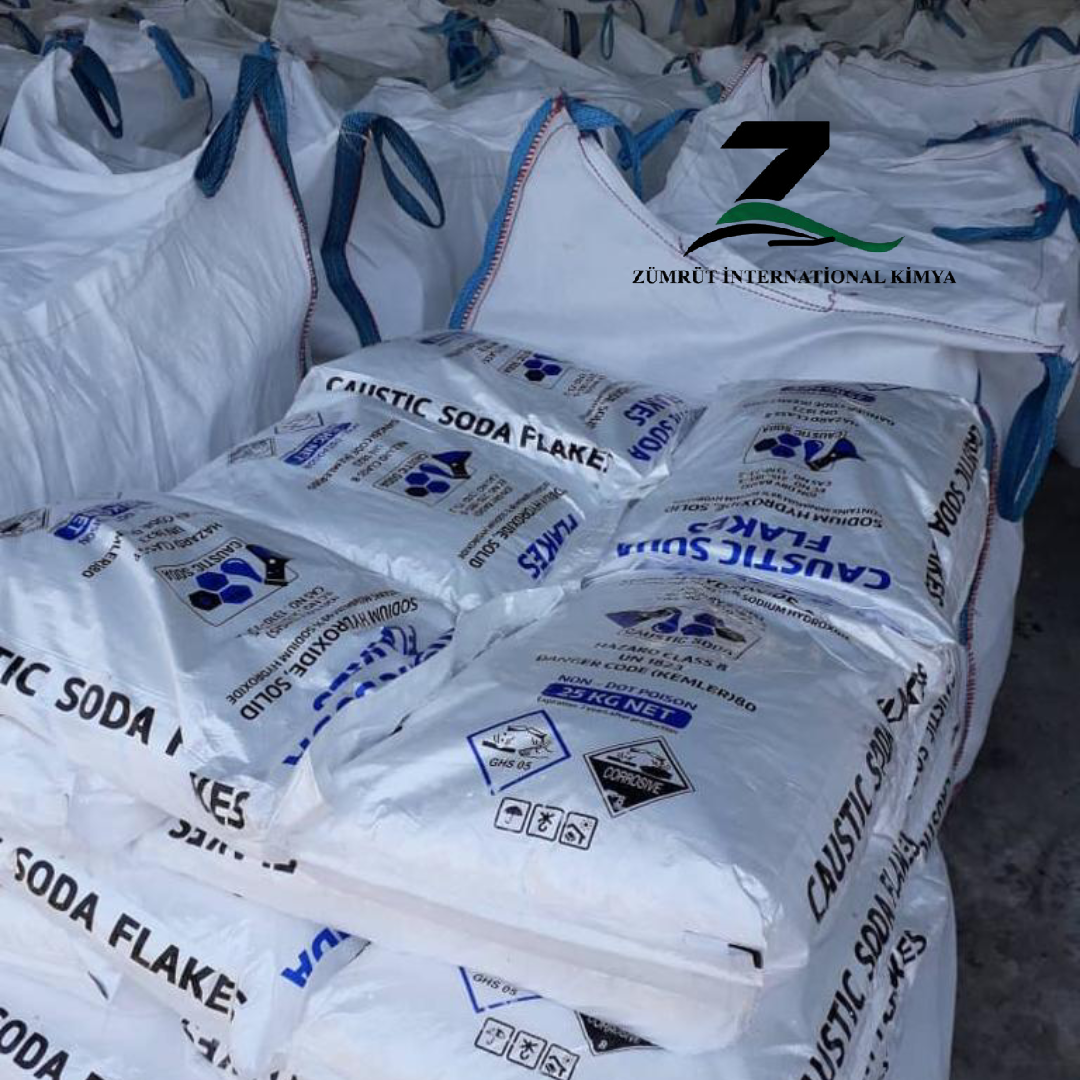
Advantages of Sodium Hydroxide in Detergent Production
- Cost-Effective: Sodium hydroxide is relatively inexpensive and readily available.
- High Reactivity: Its strong alkaline nature makes it highly effective in various chemical reactions needed for detergent production.
- Versatility: It can be used in multiple steps of the detergent manufacturing process, from saponification to neutralization.
In summary, sodium hydroxide is essential in the production of synthetic detergents, contributing to the creation of effective cleaning agents through its roles in saponification, sulfonation, neutralization, hydrolysis, and stabilization of surfactants.
Specification of Sodium Hydroxide (NaOH) Caustic Soda
| CONTENT | TEST RESULT | UNIT |
| Al2O3 | Max 3 | PPM |
| Fe | 10 | PPM |
| Heavy Metals as Pb | Max 2 | PPM |
| Insoluble in Water | 0 | %W |
| Na2CO3 | 0.43 | %W |
| Na2SO4 | 0.0047 | %W |
| NaCl | 0.0085 | %W |
| NaOH | 98%±1 | %W |
| SiO2 | 0.0019 | %W |
| SHAPE | 0.3-1 | CM³ |