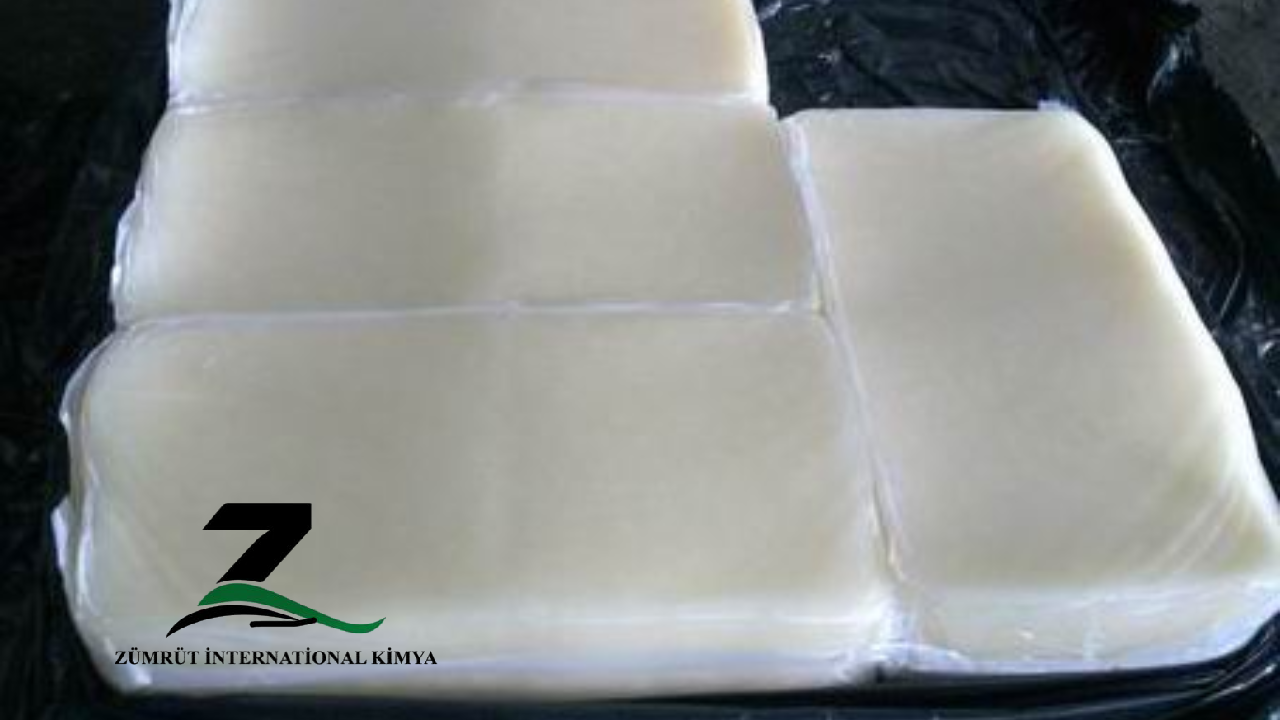
Description of Polybutadiene Rubber(PBR)
Polybutadiene rubber (PBR) is a synthetic rubber formed by the polymerization of butadiene monomers. Here are some key characteristics and uses:
Characteristics
- High Resilience : Polybutadiene Rubber(PBR) has excellent elasticity, making it ideal for applications that require high rebound.
- Low Glass Transition Temperature : This property allows it to remain flexible and elastic at low temperatures.
- Wear Resistance : PBR is highly resistant to abrasion, making it suitable for use in high-wear environments.
- Low Hysteresis : It has low energy loss, which improves energy efficiency in applications like tires.
- Good Aging Resistance : PBR shows good resistance to aging and fatigue, especially when combined with antioxidants and stabilizers.
Types of Polybutadiene Rubber
- High Cis Polybutadiene : Characterized by a high proportion of cis-1,4 units, offering superior resilience and low temperature performance.
- Low Cis Polybutadiene : Contains a higher proportion of trans-1,4 and vinyl-1,2 units, providing different balance of properties.
- High Vinyl Polybutadiene : Contains a significant proportion of 1,2-vinyl units, used for specific applications requiring unique properties.
Polybutadiene Rubber Applications
- Tire Manufacturing : Due to its high resilience and low rolling resistance, BR is widely used in the production of tires, particularly in the tread and sidewalls.
- Golf Balls : Its elasticity and impact resistance make it a preferred material for the core of golf balls.
- Footwear : Polybutadiene Rubber(PBR) is used in the soles of shoes for its durability and comfort.
- Automotive Parts : Various automotive components, such as belts and hoses, are made from BR due to its durability and resistance to wear.
- Industrial Applications : It is also used in conveyor belts, vibration mounts, and other industrial goods requiring high durability.
Uses of Polybutadiene Rubber(PBR)
Polybutadiene rubber (BR) is utilized in a wide range of applications due to its unique properties. Here are some of its primary uses:
- Tire Manufacturing
– Treads : The high resilience and low rolling resistance of BR improve fuel efficiency and tire life.
– Sidewalls : Provides durability and resistance to cracking. - Footwear
– Soles : Used in the production of shoe soles for its wear resistance and comfort. - Golf Balls
– Cores : Its elasticity and impact resistance make BR ideal for the inner core of golf balls, providing better performance and durability. - Automotive Parts
– Hoses and Belts : BR’s durability and resistance to wear make it suitable for automotive hoses and belts.
– Seals and Gaskets : Used in various seals and gaskets due to its good aging resistance and flexibility. - Industrial Applications
– Conveyor Belts : Used in conveyor belts for its high wear resistance and durability.
– Vibration Mounts : BR’s ability to absorb vibrations makes it ideal for use in mounts and dampers.
– Rollers and Tubing : Employed in various industrial rollers and tubing for its wear resistance and flexibility. - Plastic Modification
– Impact Modifiers : Added to plastics like polystyrene and ABS to enhance impact resistance. - Adhesives and Sealants
– Rubber-Based Adhesives : Used in pressure-sensitive adhesives for tapes and labels due to its good tack and peel strength. - Miscellaneous Applications
– Sporting Goods : Employed in various sporting goods for its resilience and impact resistance.
– Rubber Bands : Used in the manufacturing of rubber bands due to its elasticity.
– Cable Insulation : Provides flexibility and durability for electrical cable insulation.

Packing of Polybutadiene Rubber(PBR)
Butadiene rubber packed in new or used 180 kg drums, iso tank, flex tanks, and bulk shipments. Each 20-foot container takes 80 drums.
Storage of Butadiene Rubber
Storing polybutadiene rubber (BR) properly is crucial to maintain its quality and extend its shelf life. Here are some guidelines for the storage of BR:
- Temperature Control
– Cool Environment : Store BR in a cool, dry place to prevent degradation. Ideal storage temperature is between 15°C and 25°C (59°F and 77°F).
– Avoid Heat : Exposure to high temperatures can cause premature aging and hardening. - Humidity Control
– Dry Conditions : Store in a low-humidity environment to prevent moisture absorption, which can lead to hydrolysis and degradation.
– Avoid Water Exposure : Ensure BR is kept away from direct contact with water or high humidity areas. - Protection from Light
– Dark Storage : Store BR in a dark place or use opaque packaging to protect it from ultraviolet (UV) light, which can cause photo-oxidative degradation. - Chemical Exposure
– Avoid Contaminants : Keep BR away from chemicals, especially strong acids, bases, and oxidizing agents, as these can degrade the rubber.
– No Solvents : Ensure it is not stored near solvents, which can cause swelling or dissolution. - Packaging
– Sealed Containers : Store in airtight, sealed containers or bags to protect from air and moisture.
– Original Packaging : If possible, keep BR in its original packaging to maintain its integrity and protect it from contaminants. - Handling
– Gentle Handling : Handle BR gently to avoid mechanical damage.
– Clean Environment : Store in a clean environment to prevent contamination with dirt and dust. - Stacking and Arrangement
– Avoid Overloading : Do not stack too high to avoid deforming the rubber due to excessive weight.
– Proper Labeling : Label storage containers with date of manufacture and batch number for inventory management and quality control. - Ventilation
– Well-Ventilated Area : Store in a well-ventilated area to prevent accumulation of any off-gassing or volatile compounds.
Technical Parameters
Rubber Technical Parameters
| Parameters | Units | Values | Test methods |
| Mooney viscosity ML 1+4 (100°C) – massed | °ML | 58 ÷ 68 | ISO 289 |
| Volatile matters | % wt | max. 0,8 | ISO 248 |
| Total ash | % wt | max. 0,7 | ISO 247 |
| 1,4 cis structure content | % | min. 96 | ISO 12965 |
| Antioxidant content | % wt. | min. 0,3 | Own method |

Parameters of the vulcanizate
| Parameters | Units | Values | Test methods |
| ML | dNm | 2,5 ÷ 4,5 | ISO 6502 |
| MH | dNm | 19,5 ÷ 23,5 | ISO 6502 |
| Ts1 | min. | 1,5 ÷ 3,0 | ISO 6502 |
| Tc90 | min. | 7,5 ÷ 12,5 | ISO 6502 |
| Mooney of test compound ML 1+4 (100°C) | °ML | 85 ÷ 110 | ISO 289 |