Description of Crystal Melamine
Perhaps the immediate mental images that come to mind when one mentions melamine crystal-arguably, one thinks of fine dinnerware or rugged kitchen products. But the truth is, there is a whole lot more to melamine crystals than what meets the eyes: a very workable commodity, with an intriguing history and a multitude of uses across many industries. Herein, we are going to explore what the crystal of melamine is, some of its uses and properties, and why such highly used material has become common in manufacturing and design processes.
Crystal Melamine, often referred to simply as “melamine,” is a versatile organic compound typically appearing as a white crystalline powder. It’s primarily used in the production of melamine-formaldehyde resins, which are durable thermosetting plastics. These resins are prized for their hardness, heat resistance, and stability, making them ideal for a variety of applications:
- Laminates and Surface Coatings: Crystal Melamine is widely used in making decorative laminates for furniture, walls, and flooring. It provides a smooth, wear-resistant, and glossy finish.
- Tableware and Kitchenware: Melamine is popular in producing lightweight, durable, and shatter-resistant dishes, bowls, and utensils, commonly found in both domestic and commercial kitchens.
- Molding Compounds: It’s also used in making durable plastic products like electrical parts, connectors, and knobs due to its heat and electrical resistance.
- Textile and Paper Applications: Crystal Melamine can be applied as a flame retardant in textiles and as a strengthening agent in paper products.
Properties:
- Appearance: White crystalline powder
- Chemical Formula: C₃H₆N₆
- Solubility: Slightly soluble in water, highly soluble in strong acids and bases
- Stability: Stable under recommended storage conditions
Application of Crystal Melamine
Crystal Melamine is widely used across various industries, primarily due to its ability to form hard, durable, and heat-resistant materials. Here are some of its key applications:
- Laminates and Surface Coatings:
Used in creating decorative laminates for furniture, cabinetry, countertops, and flooring.
Melamine-based laminates provide a glossy, scratch-resistant, and easy-to-clean surface. - Tableware and Kitchenware:
Commonly used in manufacturing melamine dinnerware, including plates, bowls, and utensils.
It’s shatterproof, lightweight, and resistant to high temperatures, making it ideal for household and commercial use. - Molding Compounds:
Employed in producing heat-resistant plastic products like electrical fittings, switches, sockets, and appliance parts.
Its insulating properties make it safe for electrical applications, offering protection against heat and electricity. - Textile and Paper Industries:
Utilized as a flame retardant in textiles, adding fire resistance to materials like upholstery fabrics.
In the paper industry, melamine formaldehyde resins enhance the strength, durability, and water resistance of paper products. - Adhesives and Sealants:
Crystal Melamine serves as a component in high-performance adhesives and sealants, providing water resistance and adhesion strength.
It is useful in bonding applications that require durability under pressure and exposure to moisture. - Paints and Coatings:
Used in specialized paints and coatings to create a glossy, durable finish that resists wear and chemical exposure.
Ideal for industrial and automotive coatings where longevity and appearance are important. - Construction Materials:
Incorporated into certain types of particleboards and plywood for added strength and moisture resistance.
It provides a smooth surface suitable for various construction applications, enhancing the durability of building materials.
Benefits of Crystal Melamine
Crystal Melamine offers a range of benefits, especially in industries that require durable, heat-resistant, and aesthetically pleasing materials. Here are the main advantages:
- Durability and Hardness:
Crystal Melamine is highly durable and resistant to scratches, making it ideal for products that endure heavy use, such as tableware and laminate surfaces.
It adds significant hardness to resins, helping products withstand physical stress and maintain their appearance. - Heat and Fire Resistance:
Melamine can withstand high temperatures without deforming, making it suitable for kitchenware and industrial applications.
It acts as a flame retardant, which is especially beneficial in textiles and laminates for added fire safety. - Moisture and Chemical Resistance:
Melamine-based products are highly resistant to water, oils, and other chemicals, ensuring that surfaces remain intact and easy to clean.
This property makes it ideal for countertops, flooring, and other surfaces exposed to moisture and spills. - Lightweight and Shatterproof:
Products made from melamine, such as dishes and kitchenware, are lightweight and less likely to break than ceramic or glass, enhancing safety and convenience.
Its shatterproof quality makes it suitable for outdoor and commercial dining settings. - Aesthetic Flexibility:
Melamine resins are easily moldable, allowing for a variety of colors, textures, and finishes.
They provide a glossy, high-quality finish, making them popular for decorative laminates and furniture surfaces. - Cost-Effectiveness:
Melamine is relatively affordable compared to other materials like ceramic or hardwood, making it a cost-effective choice for durable consumer products and construction materials.
It offers long-lasting performance, reducing replacement costs over time. - Environmental and Sustainable Applications:
Melamine can be used in composite woods and particleboards, which utilize recycled wood fibers, contributing to more sustainable manufacturing practices.
Its durability and longevity reduce the need for frequent replacements, making it an eco-friendly option in the long term.
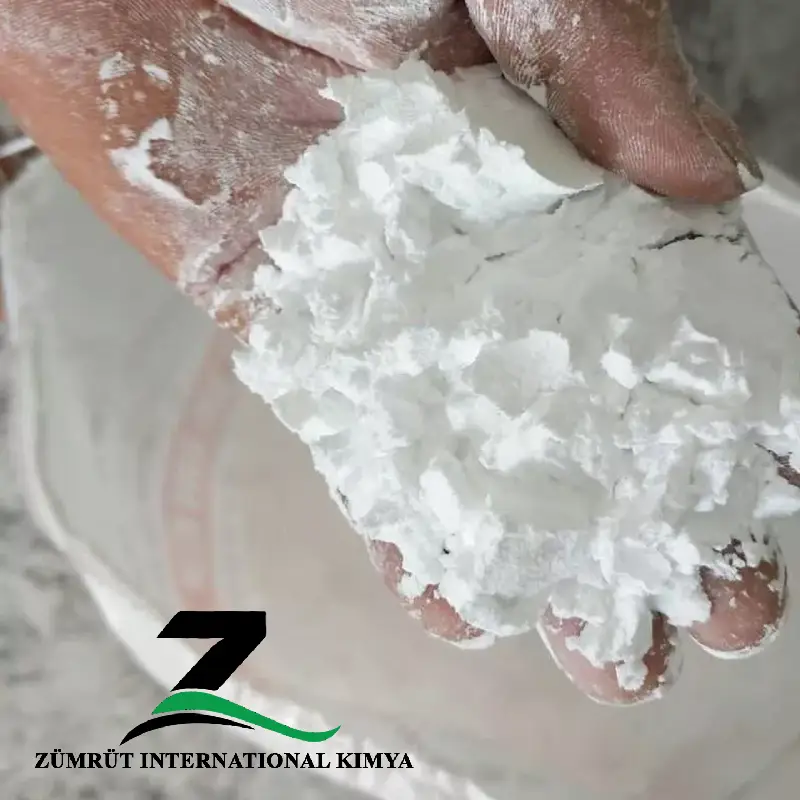
packing of crystal melamine
- 25 kg or 50 kg bags with inner lining
- Bulk bags (1 ton FIBC)
- Drums (optional)
Safety and Handling of Crystal Melamine
Crystal Melamine requires careful handling and safety measures due to potential health risks, particularly when in powdered form or when used in manufacturing processes. Here are the key safety and handling guidelines:
- Personal Protective Equipment (PPE):
Always wear appropriate PPE, including gloves, safety goggles, and protective clothing, when handling crystal melamine in powdered form to prevent skin and eye contact.
A dust mask or respirator should be used to avoid inhaling melamine dust, which can cause respiratory irritation. - Ventilation and Dust Control:
Work with crystal melamine in a well-ventilated area to minimize dust accumulation and reduce inhalation risks.
For industrial settings, local exhaust ventilation (LEV) systems help maintain air quality and prevent inhalation of melamine dust. - Avoiding Ingestion and Contact:
Eating, drinking, or smoking should be avoided in areas where crystal melamine is handled, as accidental ingestion can pose health risks.
In the case of accidental ingestion, seek medical attention immediately, as melamine can cause digestive issues and, in large amounts, may lead to kidney problems. - Storage Guidelines:
Store crystal melamine in a dry, cool area, away from sources of moisture, heat, and incompatible substances (e.g., strong acids and oxidizing agents).
Keep containers tightly sealed to prevent dust release and potential contamination. - Spill and Leak Procedures:
In the event of a spill, avoid creating dust and clean up with a vacuum or wet methods instead of dry sweeping.
Properly dispose of melamine waste according to local regulations, as it may require specific disposal measures in industrial settings. - Handling in Manufacturing:
For applications involving heat or chemical reactions (e.g., melamine-formaldehyde resin production), ensure additional protective measures to control fumes and manage the risk of thermal decomposition.
Technical Data Sheet of Crystal Melamine
| Parameter | Specification |
| Melamine Content | ≥99.8% |
| Moisture Content | ≤ 0.1% |
| Ash Content | ≤ 0.03% |
| pH (10% solution) | 7.5 – 9.5 |
| Formaldehyde Content | < 1 ppm |