Oxidized Bitumen for Roofing: Best Grades, Technical Specs & Application Guide
Oxidized bitumen — also called blown bitumen or blown asphalt — is the primary binder used in roofing systems worldwide. Whether for Built-Up Roofing (BUR), factory-produced bituminous membranes, or hot-applied roofing felts, the correct grade of oxidized bitumen determines the long-term performance, durability, and thermal stability of the entire roofing system.
This guide covers grade selection, roofing system types, technical specifications, application temperatures, and installation requirements for oxidized bitumen in flat, low-slope, and industrial roofing applications — from a manufacturer and exporter with direct refinery access in Turkey.
Why Roofing Is the Largest Application for Oxidized Bitumen
Globally, roofing accounts for the largest share of oxidized bitumen consumption — ahead of waterproofing, pipe coating, and road applications combined. This is because flat and low-slope roofs present one of the most demanding combinations of environmental stress any building material faces:
- Direct solar radiation: Exposed rooftop surface temperatures regularly reach 70°C–90°C in tropical and Middle Eastern climates, and 55°C–70°C in temperate regions
- Thermal cycling: Daily and seasonal temperature swings cause expansion and contraction that weaken flexible membranes over time
- UV degradation: Prolonged ultraviolet exposure oxidizes and embrittles unprotected bitumen surfaces
- Ponding water: Flat roofs accumulate standing water that creates sustained hydrostatic load and accelerates membrane deterioration
- Mechanical traffic: Maintenance access, HVAC equipment, and foot traffic create point loads and abrasion
Standard penetration-grade bitumen (60/70 or 80/100) cannot withstand these conditions without flowing, cracking, or delaminating. Oxidized bitumen — with its elevated softening point, reduced temperature sensitivity, and gel-like molecular structure — is engineered specifically for these demands.
Oxidized Bitumen Grades for Roofing — Comparison Table
The following grades are used in roofing applications globally. Selection depends on climate zone, roofing system type, and whether the bitumen is used as a raw material in membrane production or applied directly on-site.
[/fusion_table]| Grade | Softening Point (°C) | Penetration (0.1mm) | PI | Primary Roofing Use | Climate Suitability |
|---|---|---|---|---|---|
| Oxidized Bitumen 75/25 | 70–80 | 20–30 | +2 to +4 | Cold-climate BUR, flexible cap sheets | Cold / Northern Europe |
| Oxidized Bitumen 85/25 | 80–90 | 20–30 | +3 to +5 | Standard roofing felt, BUR base layer | Temperate / Europe / Asia |
| Oxidized Bitumen 85/40 | 80–90 | 35–45 | +2 to +4 | Flexible roofing membranes, movement joints | Temperate / moderate climates |
| Oxidized Bitumen 90/40 | 85–95 | 35–45 | +3 to +5 | Membrane production, torch-applied cap sheet | Temperate to warm climates |
| Oxidized Bitumen 95/25 | 90–100 | 20–30 | +4 to +6 | Exposed roofing, hot-climate membranes | Hot / Middle East / Africa |
| Oxidized Bitumen 105/35 | 100–110 | 30–40 | +4 to +6 | Industrial roofing compounds, high-load surfaces | Hot / industrial environments |
| Oxidized Bitumen 115/15 | 110–120 | 10–20 | +7 to +9 | Ultra-high-temp industrial roofing, steel mill roofs | Extreme heat / heavy industry |
| Oxidized Bitumen 150/5 | 145–155 | 3–7 | +9 to +12 | Specialty hard roofing compounds, anti-slip layers | Extreme industrial applications |
All grades comply with BS 3690 Part 2, ASTM D312, and EN 13304. Full technical datasheets and CoA available on request from Zumrut International.
Roofing System Types and Grade Requirements
1. Built-Up Roofing (BUR)
Built-Up Roofing is the oldest and most widely installed flat roofing system globally. It consists of multiple alternating layers of bitumen and reinforcing felt or fabric, applied hot on-site using a kettle and mop system.
Typical BUR build-up (3-ply system):
- Primer coat on clean concrete deck — Bitumen Primer D41
- First felt layer — saturated with oxidized bitumen, mopped at 190°C–210°C
- Second felt layer — mopped and lapped minimum 75mm
- Cap sheet or mineral surface layer — oxidized bitumen at 200°C–220°C
- Optional: reflective coating or gravel ballast for UV protection
Recommended grades for BUR: 85/25 for base layers, 95/25 for cap layer in hot climates
Standard reference: BS 8217:2005 (Reinforced bitumen membranes for roofing)
2. Torch-Applied Membrane Roofing
Torch-applied systems use factory-produced bituminous roll membranes that are bonded to the substrate using a propane torch. The membrane’s bitumen layer melts and bonds to the surface or underlying membrane as the torch passes over it.
Key requirements for torch-applied membranes:
- The base bitumen must have sufficient flow at torch temperature (typically 180°C–200°C surface) to bond without over-heating
- After cooling, the softening point must be high enough to resist summer surface temperatures
- Grades 85/25 and 90/40 are the industry standard for torch-applied membrane production
- For SBS-modified torch membranes, oxidized bitumen 90/40 is blended with 12–15% SBS polymer
- For APP-modified torch membranes, oxidized bitumen 85/25 or 90/40 is blended with 25–30% APP polymer
See also: SBS Modified Bitumen Membrane | APP Modified Bitumen Membrane
3. Cold-Applied Bitumen Roofing Systems
Cold-applied systems dissolve oxidized bitumen in a petroleum solvent to produce a brush or spray-applied waterproofing compound. These systems are used where open-flame torch application is prohibited (e.g., near gas installations, in confined spaces, or on timber substrates).
- Grade 75/25 or 85/25 is dissolved in white spirit or naphtha to produce cold-applied bitumen paint or primer
- Applied in 2–3 coats with full drying between coats
- Suitable for metal roofing, corrugated sheets, and maintenance applications
4. Industrial and Factory Roofing
Large-span industrial buildings — factories, warehouses, steel mills — often use profiled metal decking with a hot-applied oxidized bitumen system. These applications require grades with very high softening points to resist radiant heat from manufacturing processes below the roof deck.
- Grade 105/35 or 115/15 recommended for industrial roofing over heat-generating processes
- Grade 150/5 used in specialty applications such as anti-slip roofing surfaces and very high radiant-heat environments
Grade Selection by Climate Zone
Climate is the single most important factor in roofing grade selection. The following map of grade recommendations is based on maximum expected rooftop surface temperature:
| Climate Zone | Max Rooftop Surface Temp | Recommended Grade | Key Markets |
|---|---|---|---|
| Cold / Sub-Arctic | Up to 45°C | 75/25 | Scandinavia, Russia, Canada |
| Temperate | 45°C – 60°C | 85/25 or 85/40 | Europe, Northern Asia, UK |
| Warm / Mediterranean | 60°C – 75°C | 90/40 or 95/25 | Turkey, Southern Europe, North Africa |
| Hot / Tropical | 75°C – 85°C | 95/25 | Sub-Saharan Africa, South Asia, SEA |
| Extreme / Desert | 85°C – 95°C | 105/35 or 115/15 | Middle East, Gulf States, Pakistan |
Important: Always measure or estimate the actual rooftop surface temperature — not the ambient air temperature — when selecting a grade. In direct sun, rooftop surfaces can exceed ambient air temperature by 25°C–35°C.
Technical Specifications for Roofing Grades
| Property | Test Method | 85/25 | 90/40 | 95/25 | 115/15 |
|---|---|---|---|---|---|
| Softening Point (°C) | ASTM D36 / EN 1427 | 80–90 | 85–95 | 90–100 | 110–120 |
| Penetration at 25°C (0.1mm) | ASTM D5 / EN 1426 | 20–30 | 35–45 | 20–30 | 10–20 |
| Penetration Index (PI) | Calculated | +3 to +5 | +3 to +5 | +4 to +6 | +7 to +9 |
| Flash Point (°C) | ASTM D92 | >230 | >230 | >230 | >240 |
| Solubility (%) | ASTM D2042 | >99 | >99 | >99 | >99 |
| Loss on Heating (%) | ASTM D6 | <1 | <1 | <1 | <0.5 |
| Density at 25°C (g/cm³) | ASTM D70 | ~1.02 | ~1.02 | ~1.03 | ~1.04 |
Application Temperature Guidelines for Roofing
Temperature control is critical in roofing applications. Both under-heating and over-heating cause system failures:
| Application Stage | Temperature Range | Notes |
|---|---|---|
| Minimum flow temperature | 160°C | Below this, bitumen will not bond properly to felt |
| Mop / kettle application | 190°C – 210°C | Maintain consistently throughout pour |
| Cap sheet hot pour | 200°C – 220°C | Higher temperature for better flow on final layer |
| Maximum safe temperature | 230°C | Flash point risk above this threshold |
| Degradation temperature | >240°C | Irreversible reduction in softening point — do not exceed |
Cold weather roofing note: In ambient temperatures below 5°C, preheat the substrate surface and increase kettle temperature by 10°C–15°C to compensate for rapid cooling. Do not apply oxidized bitumen in rain or on frost-covered surfaces.
International Standards for Oxidized Bitumen in Roofing
- BS 3690 Part 2 — UK standard for oxidized bitumen in roofing; specifies grades 85/25, 90/40, 95/25, 115/15
- ASTM D312 — US standard; Type I (soft) through Type IV (hardest) correspond to increasing softening points
- EN 13304:2009 — European standard for oxidized bitumen used in waterproofing and roofing products
- BS 8217:2005 — UK code of practice for reinforced bitumen membrane roofing systems
- DIN 52011 — German standard used in European industrial roofing specifications
- IS 702 — Indian standard for industrial bitumen including roofing grades
Zumrut International supplies oxidized bitumen conforming to all of the above standards. Specify your required standard when requesting a quote and we will provide conforming CoA documentation.
Roofing Applications: Specific Use Cases
Flat Roof Waterproofing on Concrete Decks
The most common roofing application globally. A primer coat is applied first to the concrete deck, followed by 2–3 plies of oxidized bitumen-saturated felt. Grade 85/25 is standard for temperate climates; 95/25 for hot climates. The system is completed with a mineral-surfaced cap sheet or reflective coating.
Metal Deck Roofing
Profiled steel decking requires a flexible grade that can accommodate deck movement without cracking. Grade 85/40 or 90/40 — with their higher penetration values — provides the necessary flexibility while maintaining adequate softening point for heat resistance.
Green Roof Root Barrier
In green roof systems, a root-resistant oxidized bitumen membrane is installed below the growing medium to prevent plant root penetration into the structure. Grade 90/40 with copper foil laminate or polyester reinforcement is the standard specification for root-resistant membranes.
Roofing Felt Manufacture
Oxidized bitumen is the primary raw material in roofing felt production. Glass fiber or organic felt base is saturated and coated with oxidized bitumen in a continuous production line. Grade 85/25 is the most commonly used grade in roofing felt saturation due to its balance of flexibility and thermal stability.
Re-Roofing and Overlay Systems
When re-roofing over an existing BUR system without full tear-off, compatibility between existing and new bitumen is essential. A layer of 85/25 or 90/40 applied over a cleaned and primed existing surface ensures adhesion before new felt layers are applied.
Packaging and Export for Roofing Grade Oxidized Bitumen
| Packaging | Weight | Best For | Container Loading |
|---|---|---|---|
| Steel drum (new) | 180–200 kg | On-site BUR application, importers | ~18–20 MT per 20ft |
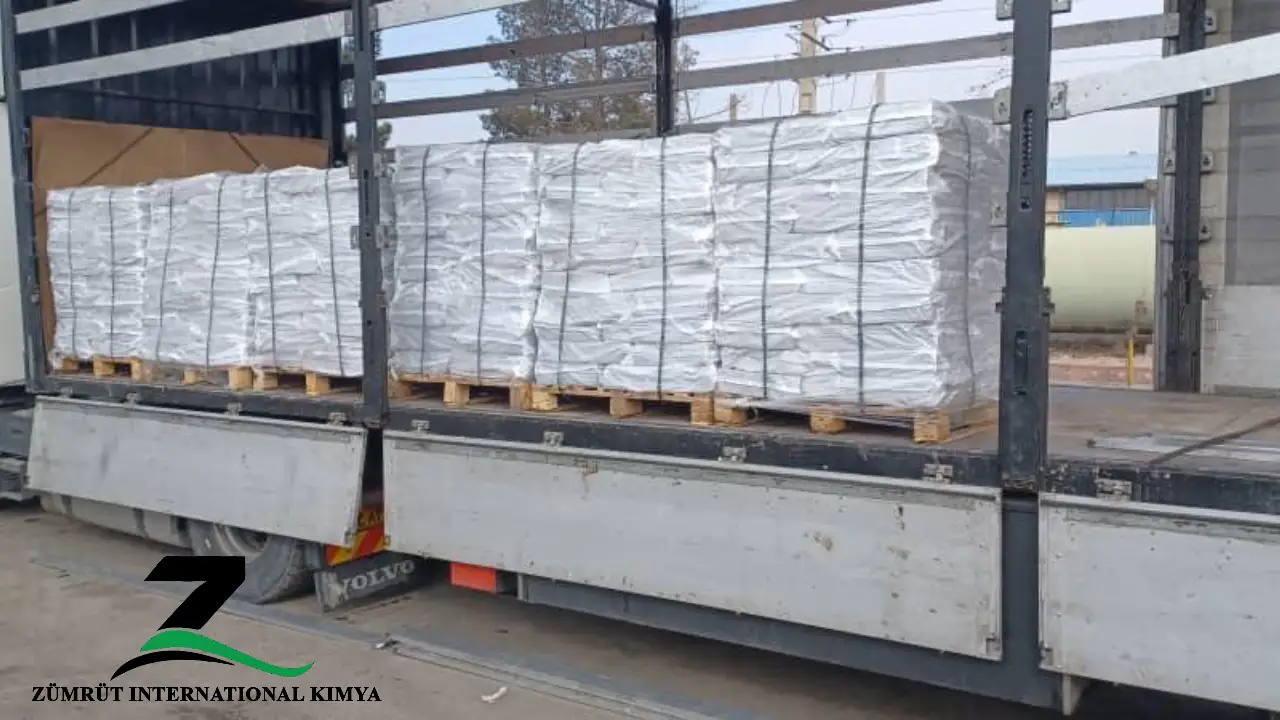
| Meltable polyamide bag | 25 kg / 50 kg | Membrane factories, European markets | ~22 MT per 20ft |
| Kraft paper carton | 25 kg | Factory production in dry climates | ~20 MT per 20ft |
| Bulk tanker | On request | Large membrane manufacturers | On request |
Shipping terms: FOB Iskenderun (Turkey), CFR, CIF, EXW available. Standard lead time: 7–14 days for all roofing grades from order confirmation.
Frequently Asked Questions: Oxidized Bitumen for Roofing
What grade of oxidized bitumen is best for flat roof waterproofing?
For most temperate climates, Oxidized Bitumen 85/25 or 90/40 is the industry standard for flat roof BUR systems. In hot climates such as the Middle East, Africa, or South Asia, 95/25 is recommended due to higher rooftop surface temperatures.
What is the difference between oxidized bitumen 85/25 and 90/40 for roofing?
Both grades are widely used in roofing. Grade 85/25 has a lower penetration (harder) making it more heat-resistant, while 90/40 has a higher penetration (slightly softer and more flexible) making it better suited for membranes that must accommodate substrate movement. For hot-mop BUR systems, 85/25 is typically preferred. For torch-applied and factory membrane production, 90/40 is more commonly specified.
Can oxidized bitumen be used on sloped roofs?
Yes, but grade selection is critical. On slopes above 1:12, softer grades (75/25, 85/40) risk downward creep in hot weather. For sloped applications, always select a grade with a softening point at least 30°C above the maximum expected rooftop surface temperature. Grade 95/25 or 105/35 is recommended for steep-slope applications in warm climates.
How many layers of oxidized bitumen are needed for a flat roof?
A standard built-up roofing system uses 3 plies — two base layers of felt saturated with bitumen and one mineral-surfaced cap sheet. High-performance or heavy-duty applications may specify 4 or 5 plies. Each interply mopping typically consumes 1.0–1.5 kg/m² of oxidized bitumen.
What is the service life of an oxidized bitumen roof?
A properly designed and installed oxidized bitumen BUR system has a service life of 20–30 years in temperate climates. In hot climates with UV-protective surfacing (mineral granules, aluminum coating), service life of 15–25 years is typical. Regular maintenance inspection every 3–5 years significantly extends service life.
Is oxidized bitumen the same as modified bitumen for roofing?
No. Oxidized bitumen is produced by air-blowing alone. Modified bitumen (SBS or APP) adds synthetic polymer to the bitumen to improve elasticity and low-temperature flexibility. Modified bitumen membranes use oxidized bitumen as their base material, with polymer blended in during factory production. For direct BUR application, unmodified oxidized bitumen is used.
Request Roofing Grade Oxidized Bitumen — Get a Quote
Zumrut International supplies all roofing grades of oxidized bitumen from our refinery in Turkey, with export capability to Africa, Asia, the Middle East, and Europe. Our technical team can assist with grade specification, standard compliance documentation, and logistics.
📧 info@zumrut-int.com
📞 +90 (312) 544 45 81 — Ankara, Turkey
📞 +90 501 003 88 00 — Ankara, Turkey (WhatsApp)
📞 +971 50 334 5424 — Dubai, UAE (WhatsApp)