About SBS Modified Polymer PG Bitumen 76-22
SBS Modified Polymer PG Bitumen 76-22 is an advanced type of polymer-modified asphalt binder designed for superior performance in road construction, particularly in challenging climatic conditions. The “SBS” (Styrene-Butadiene-Styrene) modifier enhances the elasticity and durability of the bitumen, making it suitable for high-stress environments. The Performance Grade “PG 76-22” denotes that this bitumen is engineered to withstand maximum pavement temperatures up to 76°C and minimum temperatures down to -22°C, providing a broad temperature tolerance that helps maintain pavement integrity across seasonal extremes.
Key features of PG Bitumen 76-22
SBS Modified Polymer PG Bitumen 76-22 has distinct features that make it ideal for high-performance road construction, particularly in regions with extreme temperature variations or high-traffic loads. Here are its key features:
- Superior High-Temperature Resistance
Rutting Resistance: The SBS (Styrene-Butadiene-Styrene) polymer improves the bitumen’s resistance to rutting and deformation under high temperatures, essential for regions with intense heat and heavy traffic.
Stable Under Load: This makes the binder suitable for pavements that experience high levels of stress, such as highways, airports, and industrial areas. - Enhanced Low-Temperature Flexibility
Cracking Resistance: Rated to perform well at temperatures as low as -22°C, PG 76-22 resists low-temperature cracking, ensuring that the pavement remains flexible and durable even in cold climates.
Elastic Recovery: SBS modification adds elasticity, allowing the bitumen to recover from stress and reducing the formation of cracks due to temperature fluctuations. - Improved Adhesion to Aggregates
Strong Aggregate Bonding: The SBS modification improves the bitumen’s ability to bond with aggregates, leading to a more cohesive and durable pavement structure.
Moisture Resistance: Enhanced adhesion also means better resistance to moisture, preventing stripping and other water-related pavement issues. - High Elasticity and Durability
Enhanced Elastic Properties: SBS imparts high elasticity, enabling the pavement to deform and return to its original shape under loads, which reduces damage from heavy traffic.
Long-Lasting Performance: The flexibility and elasticity contribute to an extended service life, reducing the need for frequent repairs and maintenance. - Environmental and Economic Benefits
Reduced Maintenance Needs: Its resilience lowers long-term maintenance costs, making it a cost-effective option for high-traffic or extreme climate regions.
Sustainable Pavement Solution: With fewer repair cycles, this bitumen reduces the environmental impact associated with frequent pavement replacements.
Summary of Key Features
- Temperature Range: Suitable for temperatures from 76°C down to -22°C.
- Rutting and Cracking Resistance: Strong resistance to deformation and thermal cracking.
- Durability and Elastic Recovery: Enhanced lifespan due to elasticity and deformation recovery.
- Economic and Environmental Benefits: Lower lifecycle costs and fewer replacements
PG Bitumen 76-22 Applications
- High-Traffic Roads and Highways
Heavy Traffic Capacity: Ideal for busy highways and arterial roads that experience constant, heavy traffic loads.
Rutting Resistance: The binder’s high-temperature stability prevents rutting and deformation, even in intense summer heat and heavy-load conditions. - Airport Runways and Taxiways
Load Tolerance: Suitable for runways, taxiways, and aprons, where surfaces must endure the heavy loads from aircraft takeoffs, landings, and ground handling.
Temperature Performance: The bitumen’s wide temperature range ensures stability and flexibility in the face of rapid temperature changes that can occur on airfields. - Industrial and Port Facilities
High Load-Bearing Capacity: The binder’s resistance to deformation makes it an excellent choice for industrial zones and ports, where pavements experience frequent, heavy loads from trucks, machinery, and container movement.
Durability Under Heavy Use: SBS modification enhances elasticity, which helps pavements withstand frequent and intense usage, reducing the need for frequent maintenance. - Extreme Climate Regions
Cold Climate Resilience: With its low-temperature rating of -22°C, PG 76-22 bitumen is suitable for regions that experience harsh winters, reducing the risk of cracking due to freeze-thaw cycles.
Hot Climate Stability: The high-temperature resistance also makes it a great option for areas with scorching summers, preventing the surface from softening and deforming under high heat. - Urban Roads and Heavy-Traffic Intersections
Resistance to Deformation: Ideal for intersections, traffic circles, and urban streets with frequent stops and turns, as it resists wear and tear from braking and acceleration.
Increased Service Life: Extends the lifespan of urban pavements, reducing disruptions from frequent maintenance and repair work. - Bridges and Overpasses
Temperature Extremes: Bridges and overpasses are exposed to air on both sides, leading to greater temperature fluctuations, which can cause significant stress. PG 76-22 offers the necessary flexibility and durability to handle these temperature variations.
Enhanced Structural Integrity: The SBS polymer modification helps maintain the structural integrity of bridge pavements by absorbing the stresses from expansion and contraction. - Heavy-Duty Parking Lots and Bus Terminals
Load Resistance: Used in high-capacity parking lots and bus terminals, where the pavement must withstand high traffic loads without cracking or rutting.
Reduced Maintenance: Its durability helps reduce maintenance, ensuring that these facilities remain operational with minimal disruption.
Advantages PG Bitumen 76-22
- Extended Pavement Lifespan: The SBS polymer enhancement extends the pavement’s life by reducing maintenance needs, especially in areas of high stress.
- Reduced Maintenance Costs: With its improved resilience and flexibility, SBS Modified Polymer PG 76-22 minimizes the need for frequent repairs and resurfacing.
- Environmental Efficiency: Increased longevity results in fewer repaving cycles, which reduces the environmental impact over time.
Comparison with PG 76-16
While PG 76-22 shares similarities with PG 76-16 in high-temperature stability and elasticity, PG 76-22 is better suited for even colder climates, offering an additional 6°C of low-temperature resistance. This added protection makes it an excellent choice in regions with significant seasonal temperature shifts, where thermal cracking can be a primary concern.
Different Types of PG 76-22 Packaging
- 1 MT Jumbo Bag with a steel cage and pallet
- 1 MT Jumbo Bag without cage and pallet
- 1300 Kg Jumbo Bag
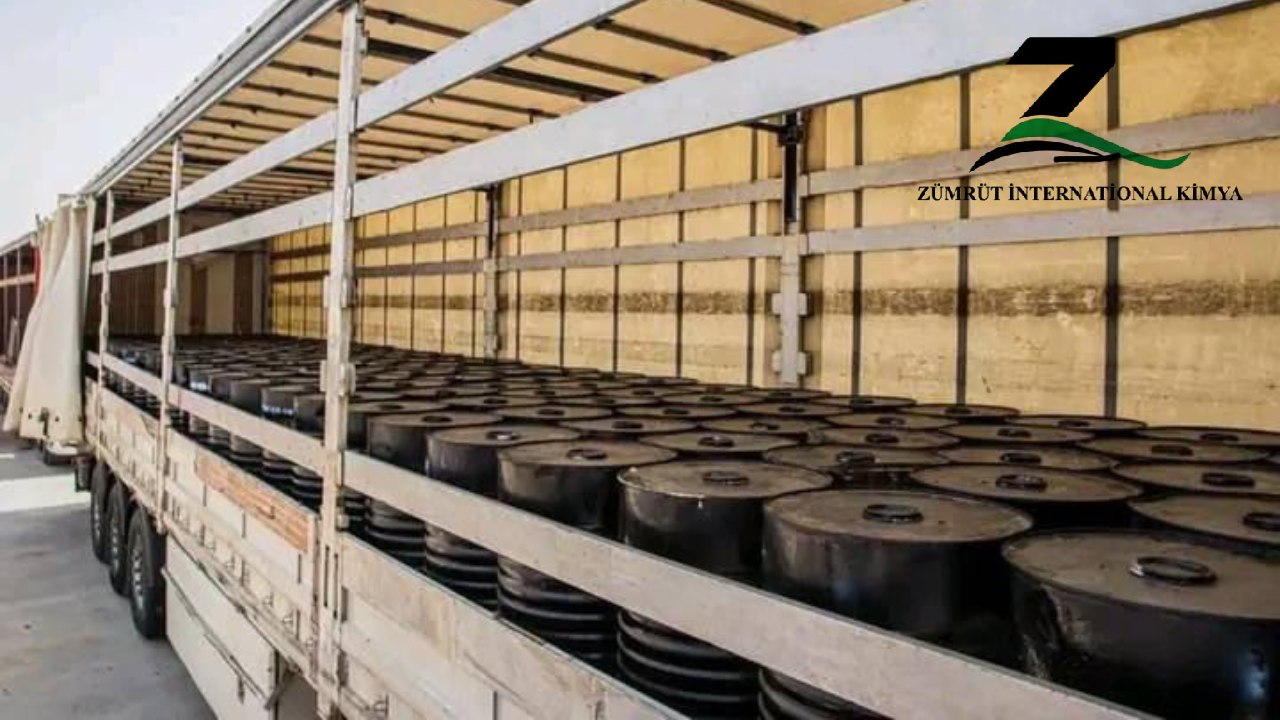
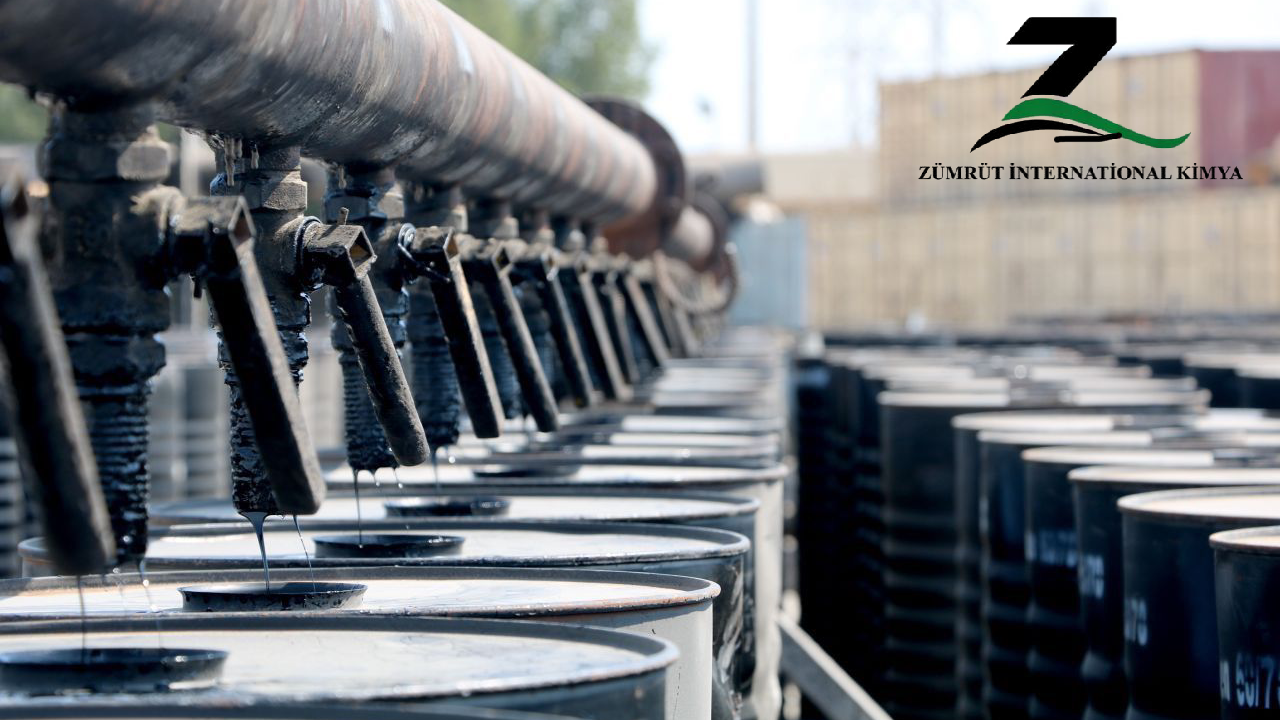
- 180kg New Steel Drum
- 375Kg Bitubag
- Bulk in vessel
- Bulk in Flexi Bag
- Bulk in Tunker
PG 76-22 Technical Data Sheet
| Specification | Unit | Value | Method |
| Average 7-Day Maximum Pavement Design Temperature |
°C |
<76 |
– |
| Minimum Pavement Design Temperature | °C | > -22 | – |
| Flash Point Temperature | °C | >230 | AASHTO T48 |
| Viscosity, T 316, Maximum 3 Pas, Test Temp, °C | °C | 135 | AASHTO T316 |
| Dynamic Shear, T 315, G*/sin Minimum 1.00 KPa Test Temperature, @10 rad/s,°C | °C | 76 | AASHTO T315 |
| Rolling Thin Film Oven Test(T 240) | |||
| Mass Change, Maximum, Percent | % | 1.00 | AASHTO T240 |
| Dynamic Shear G*/sin Minimum 2.2 KPa Test Temperature, @10 rad/s |
°C |
>2.2 |
AASHTO T315 |
| Pressure Aging Vessel (PAV) Test (AASHTO R28) | |||
| Dynamic Shear, T 315, G*/sin, Maximum 5000 KPa Test Temperature, @10 rad/s |
°C
|
31 |
AASHTO T315 |
| Creep Stuffiness, T 313, S, Maximum 300 Mpa, m-value, minimum 0.300 Test Temperature, @60s, °C |
°C
|
-12 |
AASHTO T313 |
| Direct Tension, T 314, Failure Strain, Minimum 0.300 Test Temperature, @60s, °C |
°C
|
-12 |
AASHTO T 240 |
| Critical Low Cracking Temp, PP42, Critical Cracking Temp Determined by PP 42,Test Temp, °C |
°C
|
-12 |
ASTM D8225 |