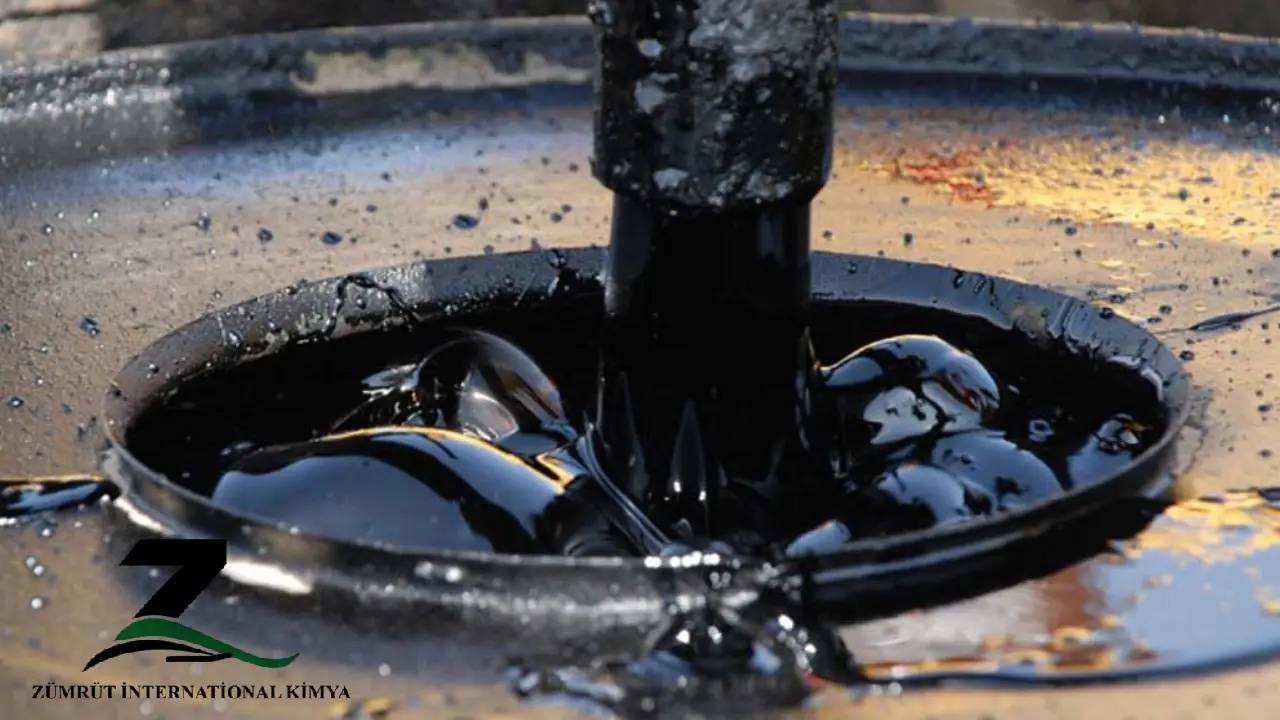
PG Bitumen
PG Bitumen refers to Performance Grade Bitumen, a type of asphalt binder classified based on its performance under specific temperature ranges and conditions. It is widely used in road construction to ensure the asphalt mix can withstand varying weather and traffic loads.
PG Bitumen is produced in compliance with international standards, including AASHTO M 320-10 and ASTM D6373-1, which set benchmarks for quality and performance.
Introduction of Bitumen Performance Grade
Bitumen Performance Grade (PG) is a classification system for bitumen that ensures its suitability for use under specific temperature ranges and loading conditions. Developed under the Super pave
(Superior Performing Asphalt Pavements) system, PG grading replaces traditional penetration and viscosity grading systems by focusing on how the bitumen will perform in real-world conditions.
Traditionally, bitumen has been classified based on two primary parameters: penetration degree, indicating its hardness, and viscosity, which reflects its flow characteristics. Penetration is measured at 25°C, while viscosity is assessed at 60°C and 135°C, showcasing the material’s behavior under different conditions.
However, over time, the Strategic Highway Research Program (SHRP) identified a critical limitation in these methods. They realized that temperature was not adequately considered in traditional classifications, despite being a key factor in bitumen’s performance. Since bitumen’s behavior and durability are significantly influenced by temperature extremes, engineers introduced Performance Grade (PG) classification, which directly correlates bitumen properties to its performance in specific temperature ranges.
Application and importance of PG 58-16
Application of PG 58-16
- Pavement Construction in Moderate Climates:
PG 58-16 is designed for regions where the average maximum pavement temperature is around 58°C and the minimum temperature does not drop below -16°C. It is commonly used in areas with temperate climates that do not experience extreme heat or cold. - Roadways with Standard Traffic Loads:
This binder grade is suitable for roads with moderate traffic volumes and loads. It is less suitable for highways or roads subjected to heavy traffic or severe stress. - Local Roads and Residential Streets:
PG 58-16 is often utilized in the construction of local roads, residential streets, and parking lots, where traffic stress and temperature fluctuations are within its operational range.
Importance of PG 58-16
- Temperature Resistance:
– High Temperature: PG 58-16 prevents rutting and deformation in hot weather by maintaining stiffness and elasticity at higher temperatures.
– Low Temperature: It resists cracking caused by thermal contraction in cooler conditions. - Cost-Effective Solution:
For regions where extreme temperatures are uncommon, PG 58-16 provides a cost-effective option compared to higher-performance grades. - Improved Durability:
By aligning binder properties with local environmental conditions, PG 58-16 ensures longer-lasting pavements with reduced maintenance needs. - Sustainability:
Using the appropriate binder grade minimizes waste, extends pavement life, and reduces the environmental impact of frequent repairs. - Standardized Performance:
The Superpave grading system ensures that PG 58-16 meets consistent quality and performance standards, making it a reliable choice for road construction.

Advantages PG Bitumen 58-16
- Climate-Specific Performance:
Designed to perform optimally in areas where maximum pavement temperatures reach 58°C and minimum temperatures drop to -16°C.
Prevents rutting in warmer conditions and cracking in colder climates. - Cost-Effectiveness:
Offers a budget-friendly option for areas that do not experience extreme temperature fluctuations or heavy traffic loads.
Reduces overall project costs without compromising pavement quality. - Durability:
Provides long-lasting performance in moderate environmental conditions, minimizing maintenance and repair requirements. - Balanced Properties:
Achieves an excellent balance between stiffness (to resist deformation) and flexibility (to handle minor stresses caused by temperature and traffic). - Standardized Quality:
As part of the Superpave Performance Grading system, PG 58-16 complies with rigorous quality standards, ensuring consistent and reliable performance. - Ease of Use:
Straightforward handling and application make it a preferred choice for contractors, especially in routine construction projects. - Moisture Resistance:
Provides good protection against moisture-related damage, such as stripping, which can weaken the bond between the binder and aggregates. - Versatile Applications:
Suitable for local roads, residential streets, parking lots, and rural roads, making it a versatile option for infrastructure projects. - Sustainability:
By ensuring optimal binder performance for specific conditions, it extends pavement life and reduces the need for frequent repairs, contributing to sustainable road construction. - Good Aging Resistance:
Maintains its physical and chemical properties over time, ensuring that the pavement remains effective throughout its service life.
Packing
Performance Grade (PG) 58-16 is available in 0.6 mm thickness, 180 kg net weight drums, 95 cm height and 45 cm diameter (+/- 3 kg operational tolerance).
T.D.S OF SBS MODIFID BITUMEN PG 58-16
| Specification | Unit | Value | Method |
| Average 7-Day Maximum Pavement Design Temperature | °C | <58 | – |
| Minimum Pavement Design Temperature | °C | > -16 | – |
| Flash Point Temperature | °C | MIN230 | AASHTO T48 |
| Viscosity Maximum 3 Pa.s, Test Temperature | °C | 135 | AASHTO T316 |
| Dynamic Shear G*/sin Minimum 2.2 KPa Test Temperature | °C | 58 | AASHTO T315 |
| Rolling Thin Film Oven Test (T 240) | |||
| Mass Change | % | MAX1.00 | AASHTO T240 |
| Dynamic Shear G*/sin Minimum 2.2 KPa Test Temperature, @10 rad/s | °C | 58 | AASHTO T315 |
| Pressure Aging Vessel (PAV) Test (AASHTO R28) | |||
| PAV Aging Temperature | °C | 100 | AASHTO R28 |
| Dynamic Shear G*/sin Maximum 5000 KPa Test Temperature, @10 rad/s | °C | 31 | AASHTO T315 |
| Creep Stuffiness S Maximum 300 Mpa M-Value Minimum 0.300 Test Temp,@60s | °C | -6 | AASHTO T313 |
| Direct Tension Failure Strain Minimum 1 % Test Temp@1mm/min, | °C | -6 | AASHTO T314 |
| Critical Low Cracking Temperature Critical Cracking Determined by PP42 Test Temp | – | -6 | AASHTO PP42 |