- The Evolution and Impact of Polyethylene Wax for Rubber Processing
- Polyethylene Wax for Rubber Processing
- Applications of Polyethylene Wax in Rubber Processing
- Benefits of Using Polyethylene Wax in Rubber
- Common Rubber Applications Using PE Wax
- Exploring the Properties and Characteristics of Polyethylene Wax in Rubber
The Evolution and Impact of Polyethylene Wax for Rubber Processing
Polyethylene Wax has been a game-changer in the world of rubber processing. This crucial component not only enhances the performance of rubber products but also significantly impacts the manufacturing process. Journey with us as we unpack the fascinating evolution and impact of Polyethylene Wax for Rubber Processing.
Introduction to Polyethylene Wax: A Key Component in Rubber Processing
Polyethylene wax, also known as PE wax, is a type of synthetic wax created from ethylene through a process called polymerization. This versatile material is renowned for its superior chemical stability and resistance, low viscosity, and excellent compatibility with various substances, making it a key component in many industrial applications.
Among these, one of the most significant uses of polyethylene wax is in rubber processing. Rubber products, such as tires, seals, and hoses, among others, require specific properties for optimal performance. They need to be durable, flexible, and resistant to various environmental factors. Polyethylene wax plays a crucial role in enhancing these properties.
This wax is used as an internal and external lubricant in the processing of rubber, promoting smoother and more efficient manufacturing. By reducing friction during processing, polyethylene wax helps to prevent damage to machinery, extend its lifespan, and ultimately reduce operational costs.
Polyethylene Wax for Rubber Processing
Polyethylene wax (PE wax) is widely used in rubber processing due to its excellent lubricating, processing, and protective properties. It helps improve the efficiency of rubber manufacturing processes and enhances the quality and durability of the final rubber products.
Applications of Polyethylene Wax in Rubber Processing
- Internal Lubricant
Reduces friction between rubber molecules during mixing and processing.
Improves the flowability of rubber compounds in extrusion and molding processes.
Reduces energy consumption by minimizing shear resistance. - External Lubricant
Prevents rubber compounds from sticking to molds and processing equipment.
Enhances surface smoothness and improves the demolding process.
Reduces die buildup in extrusion processes. - Processing Aid in Rubber Compounds
Facilitates the dispersion of fillers like carbon black, silica, and other additives.
Improves compatibility between rubber and reinforcing agents.
Enhances processing speed and output rates in production lines. - Anti-Tack Agent
Prevents freshly processed rubber sheets from sticking together during storage.
Ensures easy handling and further processing of rubber products. - Improvement of Physical Properties
Enhances the flexibility and elasticity of rubber products.
Contributes to better abrasion resistance, reducing wear and tear.
Provides good weather resistance by forming a protective layer. - Surface Protection
Acts as a protective layer against oxidation and UV degradation.
Reduces cracking and surface degradation under extreme conditions.
Benefits of Using Polyethylene Wax in Rubber
- Improved Process Efficiency: Enhances flow, mixing, and extrusion speed.
- Better Dispersion: Ensures uniform distribution of fillers and additives.
- Heat Resistance: Improves the thermal stability of rubber during processing.
- Reduced Energy Consumption: Lowers power usage due to better lubrication.
- Increased Product Durability: Provides resistance against environmental factors.
Common Rubber Applications Using PE Wax
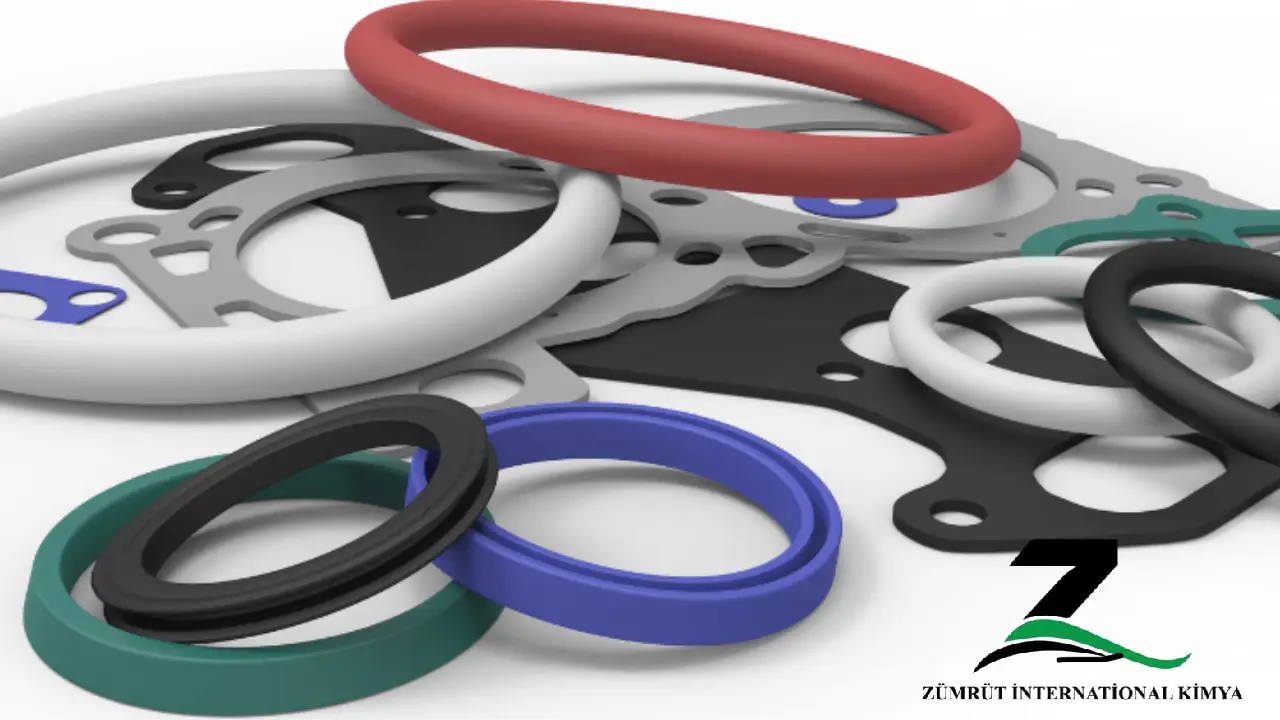
- Tires and automotive components (hoses, seals, gaskets)
- Rubber belts and conveyor systems
- Shoe soles and footwear products
- Rubber sheets and mats
- Industrial rubber parts
Advantages of Polyethylene Wax in Rubber Processing: A Detailed Overview
Polyethylene wax (PE wax) presents numerous advantages in rubber processing that make it an indispensable component in the industry. It contributes to both the efficiency of the manufacturing process and the quality and durability of the end products. Let’s delve into the specific advantages of PE wax in rubber processing:
- Improved Processing Efficiency:
PE wax acts as a lubricant in rubber processing, reducing friction between the rubber compound and processing equipment. This reduced friction means that rubber can be processed more easily and quickly, leading to improved throughput and overall manufacturing efficiency. - Enhanced Product Durability:
By improving the rubber’s thermo-oxidative stability, PE wax helps to enhance the durability of the final rubber products. It prevents the rubber from degrading under high heat and exposure to oxygen, thus extending the lifespan of the rubber product. - Better Quality Control:
As a modifier, PE wax allows manufacturers to control the hardness and flexibility of the rubber products, ensuring that they meet the specific requirements of various applications. This ability to customize the properties of the rubber contributes to better quality control in rubber manufacturing. - Cost Efficiency:
The use of PE wax in rubber processing can lead to significant cost savings. By reducing the wear and tear on processing machinery, PE wax can decrease maintenance costs and extend the lifespan of the equipment. Furthermore, the enhanced durability of rubber products can reduce replacement costs for end users. - Improved Appearance of Final Products:
PE wax contributes to a smoother finish on the final rubber products. This not only improves the product’s aesthetic appeal but can also reduce the need for post-processing treatments to achieve the desired finish.
In conclusion, the advantages of using PE wax in rubber processing are manifold. From improving processing efficiency and product durability to enabling better quality control and cost efficiency, PE wax proves its worth as an essential ingredient in the rubber industry.
Exploring the Properties and Characteristics of Polyethylene Wax in Rubber
Polyethylene wax, or PE wax, is a high-performance wax with a unique set of properties and characteristics that make it ideally suited for use in rubber processing. These attributes contribute to the wax’s effectiveness as a lubricant, dispersing agent, modifier, and stabilizer, among other roles.
- Low Molecular Weight:
Polyethylene wax is characterized by its low molecular weight, a property that enables it to melt and flow easily. This characteristic is particularly beneficial in rubber processing, where it aids in improving the flow of the rubber mixture, facilitating its movement within the machinery. - High Melting Point:
PE wax has a high melting point, usually above 100°C. This attribute imparts excellent thermal stability to the material, preventing it from breaking down under high-temperature conditions during rubber processing. This enhances the heat resistance of the final rubber product. - Chemical Stability:
PE wax is chemically stable and is resistant to oxidation and other chemical reactions. This makes it a reliable additive in rubber processing, where it can enhance the rubber’s resistance to chemical degradation. - Lubricity:
One of the most notable properties of PE wax is its lubricity. It reduces the friction between rubber and processing equipment, thereby reducing wear and tear on the machinery and making the processing more efficient. - Compatibility:
PE wax is compatible with a wide range of other materials, including other waxes, resins, and polymers. In rubber processing, this compatibility is essential for ensuring that the wax can mix well with the rubber and other additives, resulting in a uniform and consistent product. - Modifying Capabilities:
PE wax has excellent modifying capabilities. It can alter the crystalline structure of the rubber, controlling its hardness, flexibility, and other mechanical properties.
In sum, the properties and characteristics of polyethylene wax are key to its effectiveness in rubber processing. Its low molecular weight, high melting point, chemical stability, lubricity, compatibility, and modifying capabilities all contribute to its pivotal role in enhancing the efficiency of rubber processing and the quality of the final rubber products.
Future Prospects of Polyethylene Wax in Rubber Processing: Trends and Innovations
The use of polyethylene wax (PE wax) in rubber processing is set to evolve and expand in the future, driven by new trends, technological advancements, and continued innovation in the rubber industry. Here’s a closer look at some potential developments and their implications for the use of PE wax in rubber processing:
- Increasing Demand for High-Performance Rubber Products:
As industries such as automotive, aerospace, and heavy machinery continually seek more durable, heat-resistant, and reliable rubber components, the demand for high-performance rubber products is likely to grow. PE wax, with its unique properties and advantages, will be crucial in meeting this demand. - More Sustainable and Eco-Friendly Rubber Processing:
There is increasing pressure on industries worldwide to adopt greener and more sustainable manufacturing practices. The rubber industry is no exception. While PE wax is already a relatively environmentally friendly additive due to its chemical stability and non-toxicity, further research and development could focus on producing PE wax in a more sustainable manner, such as from recycled polyethylene. - Advancements in Rubber Processing Technologies:
As rubber processing technologies evolve, so too will the methods and formulations for incorporating PE wax into rubber. For instance, advanced dispersion techniques could ensure even better distribution of PE wax in the rubber compound, enhancing its effectiveness. - Development of New PE Wax Grades:
Continued research may lead to the development of new grades of PE wax with tailored properties to suit specific rubber applications. For example, PE wax with a higher melting point for applications requiring extreme heat resistance, or with modified molecular structures for different rubber types. - Enhanced Customization of Rubber Products:
As industries demand more customized rubber products with specific properties (e.g., hardness, flexibility, chemical resistance), PE wax’s role as a rubber modifier will become even more important. PE wax could be used to fine-tune the properties of the final rubber products, opening up new possibilities for rubber applications.
In conclusion, the future looks bright for the use of polyethylene wax in rubber processing. With ongoing technological advancements, a focus on sustainability, and increased demand for high-performance and customized rubber products, PE wax will continue to play an integral role in shaping the future of the rubber industry.