Calcium Chloride (CaCl₂)
Calcium chloride is an inorganic compound composed of calcium and chlorine. It is a highly soluble, hygroscopic (moisture-absorbing) salt that appears as a white crystalline solid or granule. This compound is widely used across industries due to its versatility, availability, and chemical properties.
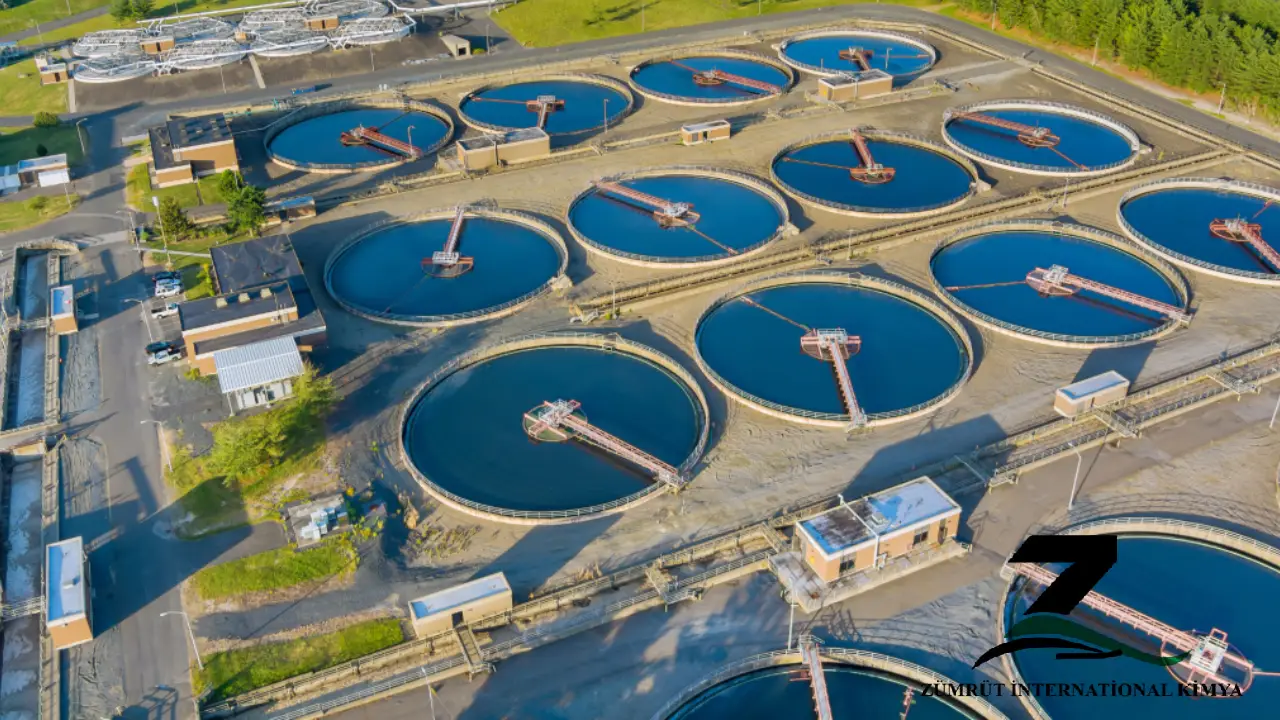
In water treatment, calcium chloride plays a critical role in enhancing water quality and improving the efficiency of various treatment processes.
Properties of Calcium Chloride Relevant to Water Treatment
- High Solubility: It dissolves readily in water, releasing calcium (Ca²⁺) and chloride (Cl⁻) ions, making it highly effective for water chemistry management.
- Exothermic Dissolution: When dissolved, it releases heat, which can be advantageous in specific water treatment applications, such as preventing freezing in cold conditions.
- Hygroscopic Nature: Its ability to absorb moisture aids in water stabilization processes.
- Non-toxic and Safe: Calcium chloride is considered safe for use in drinking water treatment, with no harmful by-products.
Key Roles of Calcium Chloride in Water Treatment
1. Hardness Adjustment
Calcium chloride is used to increase water hardness by adding calcium ions. This is crucial in various applications:
- Corrosion Prevention: Hard water forms a protective scale in pipes and equipment, reducing corrosion risks.
- Detergent Optimization: Proper water hardness improves the cleaning efficiency of detergents by preventing excessive foam formation.
2. pH Stabilization
- Water treatment systems often require specific pH levels for optimal performance. Calcium chloride helps stabilize pH, especially in soft or acidic water systems, by neutralizing excessive alkalinity or acidity.
3. Coagulation and Flocculation Enhancement
Coagulation and flocculation are processes used to remove suspended particles and impurities from water. Calcium ions from calcium chloride enhance these processes by:
- Promoting Particle Aggregation: Calcium ions help neutralize the charges on suspended particles, encouraging them to clump together.
- Improving Sedimentation: The formed flocs settle more easily, improving water clarity and reducing turbidity.
4. Contaminant Removal
- Calcium chloride facilitates the removal of certain contaminants, such as fluoride, phosphate, and heavy metals, by precipitating them as insoluble compounds. These precipitates can then be filtered or removed through sedimentation.
5. Freeze Protection in Cold Environments
- In cold climates, water treatment systems can suffer from freezing, disrupting operations. Calcium chloride’s exothermic dissolution helps prevent freezing by lowering the freezing point of water and maintaining system functionality.
6. Brine Regeneration in Water Softeners
- In ion-exchange water softening systems, calcium chloride enhances the efficiency of brine regeneration by displacing sodium ions from resin beads, allowing the system to continue softening water effectively.
7. Wastewater Treatment
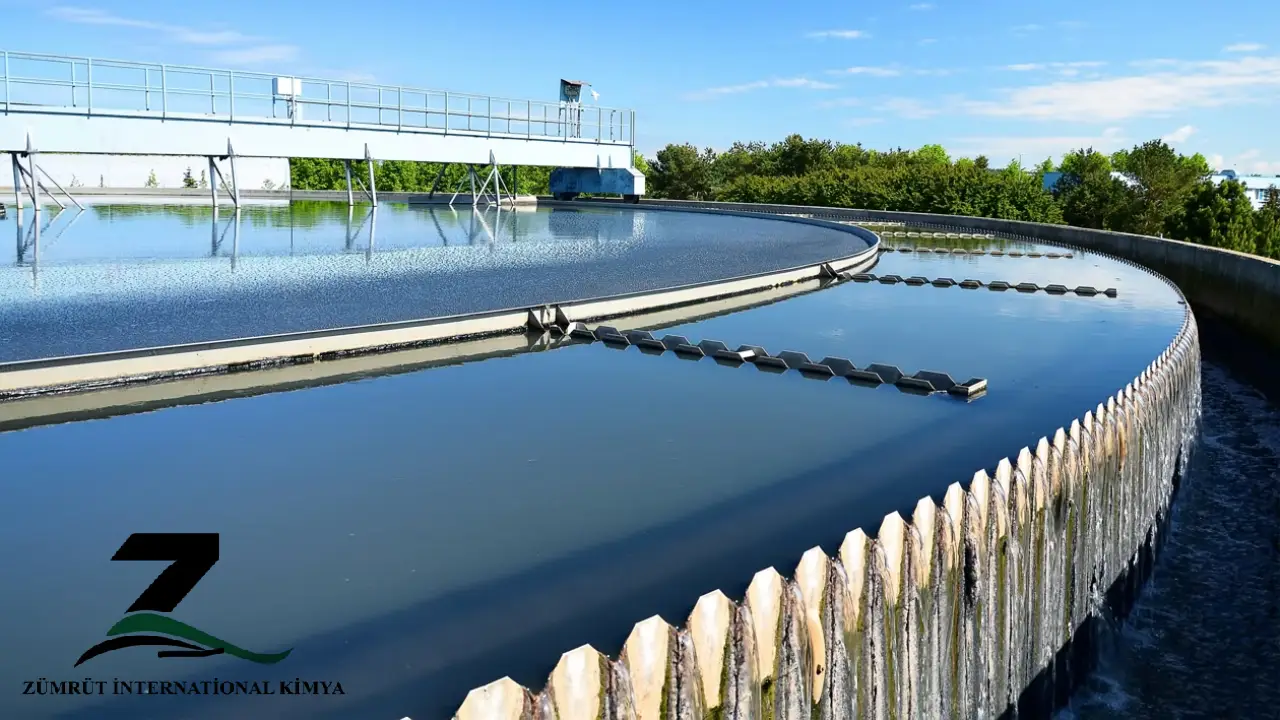
In industrial and municipal wastewater treatment, calcium chloride serves several functions:
- Neutralizing Acidic Waste: It helps balance pH levels in acidic effluents.
- Sludge Conditioning: Calcium chloride aids in dewatering sludge, reducing its volume and improving disposal efficiency.
- Odor Control: By stabilizing organic materials in wastewater, it minimizes odor generation.
8. Supporting Biological Processes
- In biological water treatment processes (e.g., aerobic digestion), calcium chloride provides essential calcium ions that support microbial activity and help maintain the stability of biological systems.
Advantages of Using Calcium Chloride in Water Treatment
- Cost-Effective: Readily available and affordable for large-scale applications.
- Environmentally Friendly: Non-toxic and does not produce harmful by-products.
- Versatile: Effective across a wide range of water treatment needs, from municipal to industrial applications.
- Highly Efficient: Its rapid dissolution and strong chemical activity ensure quick results.
Applications in Different Water Treatment Systems
- Municipal Water Treatment: Enhancing drinking water quality and stabilizing pH levels.
- Industrial Water Systems: Preventing corrosion, scaling, and fouling in equipment and pipelines.
- Swimming Pools: Balancing calcium hardness to prevent etching or scaling.
- Desalination Plants: Improving brine solutions for water softening.
Difference between using calcium chloride in water purification compared to other purification materials
When using calcium chloride (CaCl₂) in water purification, its roles and effects differ significantly from those of other common purification materials like alum (aluminum sulfate), ferric chloride, activated carbon, or chlorine. Here’s a comparison based on function, properties, and applications:
1. Mechanism of Action
Calcium Chloride (CaCl₂)
- Primarily introduces calcium ions (Ca²⁺) to the water.
- Enhances hardness, stabilizes pH, and improves coagulation by neutralizing particle charges.
- Facilitates the precipitation of specific contaminants like fluoride or phosphate.
Other Materials
- Alum (Aluminum Sulfate): Acts as a coagulant by forming aluminum hydroxide flocs, which trap impurities and suspended particles.
- Ferric Chloride: Similar to alum, but uses ferric ions to form flocs, especially effective for removing phosphates and organics.
- Activated Carbon: Adsorbs organic compounds, chlorine, and odors from water, but does not alter its ionic composition.
- Chlorine: A disinfectant that kills microorganisms by disrupting their cellular processes.
2. Targeted Impurities
Calcium Chloride
- Targets hardness-related issues.
- Improves the removal of dissolved fluoride, phosphate, or heavy metals through precipitation reactions.
Other Materials
- Alum/Ferric Chloride: Better suited for removing suspended solids, organic matter, and turbidity.
- Activated Carbon: Ideal for removing organic chemicals, pesticides, and chlorine by-products.
- Chlorine: Specifically used to disinfect and eliminate bacteria, viruses, and algae.
3. Impact on Water Chemistry
Calcium Chloride
- Increases water hardness by adding calcium ions, which can help reduce pipe corrosion.
- Stabilizes pH in soft water systems.
- Can improve the efficiency of detergents in industrial applications.
Other Materials
- Alum/Ferric Chloride: Reduces pH, often requiring post-treatment to neutralize water acidity.
- Activated Carbon: Does not significantly alter water chemistry but may slightly affect pH depending on the carbon type.
- Chlorine: Increases water’s oxidative potential but can produce harmful by-products (e.g., trihalomethanes).
4. Cost and Availability
Calcium Chloride
- Relatively inexpensive and widely available.
- Easy to store and handle.
Other Materials
- Alum: Cost-effective and widely used in municipal water treatment.
- Ferric Chloride: Slightly more expensive than alum but more efficient in some applications.
- Activated Carbon: Higher cost due to material processing and frequent replacement.
- Chlorine: Cost-effective but requires careful handling due to its hazardous nature.
5. Environmental and Health Considerations
Calcium Chloride
- Non-toxic and environmentally safe.
- No harmful by-products in water treatment applications.
Other Materials
- Alum/Ferric Chloride: Excess residuals may need to be removed; sludge disposal is a concern.
- Activated Carbon: Safe but requires energy-intensive regeneration or disposal.
- Chlorine: Can produce harmful by-products like chloramines or trihalomethanes, which may pose health risks.
6. Application Specificity
Calcium Chloride
- Used where water hardness, pH stabilization, or specific contaminant precipitation is the primary concern.
- Common in industrial settings, swimming pools, and specific wastewater treatments.
Other Materials
- Alum/Ferric Chloride: Preferred for general coagulation and turbidity removal in municipal water treatment.
- Activated Carbon: Essential for improving taste, odor, and removing organic contaminants.
- Chlorine: Exclusively used for disinfection and microbial control.
| Parameter | Calcium Chloride | Other Materials |
| Primary Function | Hardness adjustment, pH stability | Coagulation (alum, ferric chloride), adsorption (carbon), disinfection (chlorine). |
| Target Impurities | Fluoride, phosphate, heavy metals | Suspended solids, organic matter, bacteria, and viruses. |
| Effect on pH | Stabilizes pH | Alum/ferric chloride lowers pH; carbon and chlorine may slightly alter pH. |
| Environmental Impact | Minimal, non-toxic | Potential for by-products (chlorine), sludge generation (alum/ferric chloride). |
| Cost | Low | Varies: alum (low), carbon (high), chlorine (medium, with safety costs). |
| Versatility | Limited to specific applications | Broader spectrum: coagulation, adsorption, disinfection. |