
Description of aluminum sulfate
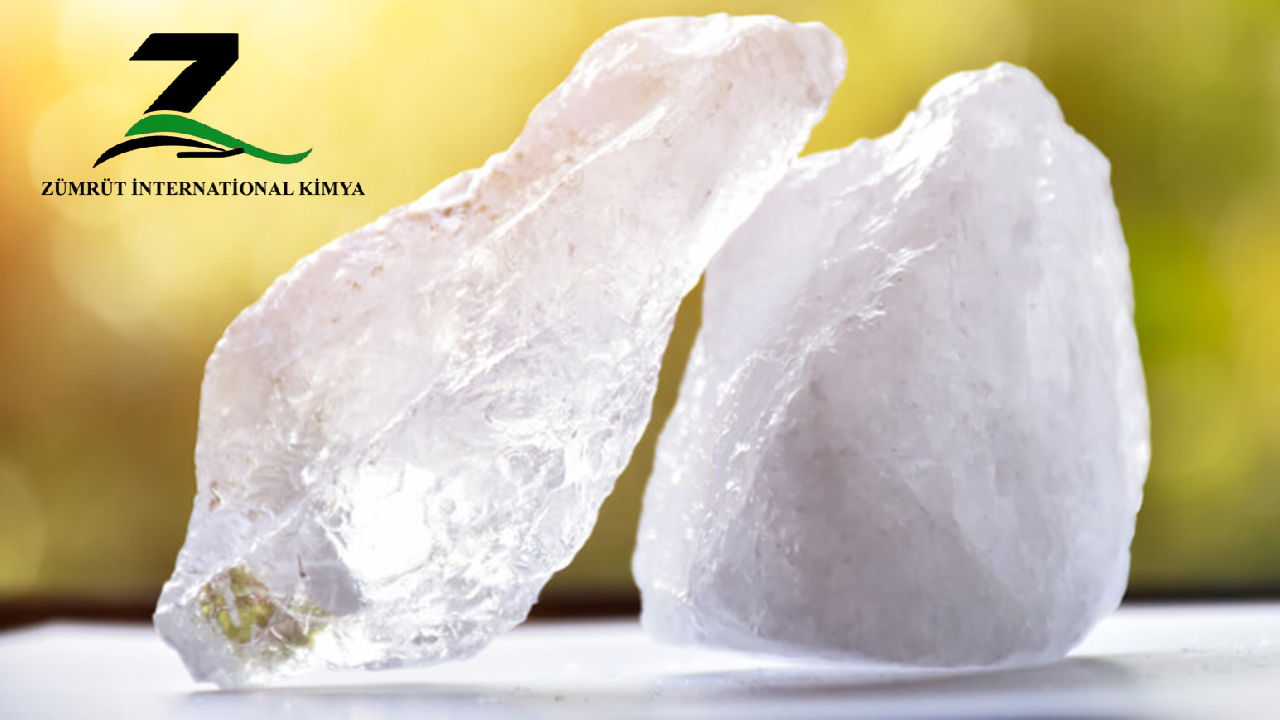
Aluminum sulfate (chemical formula: Al₂(SO₄)₃) is an inorganic salt primarily used in water treatment, paper production, and various industrial applications. It is a white crystalline solid that is water-soluble, and when dissolved in water, it produces an acidic solution.
It is known as filter alum. The compound of aluminum, sulfur, and oxygen is often a dry crystal, powdery substance that becomes slimy when wet and is not combustible.
Types of Aluminum Sulfate
In general, aluminum sulfate is classified into two types: A and B. Type A aluminum sulfate consists of white solid materials with an iron concentration of less than 0.05%. In contrast, Type B aluminum sulfate consists of brown solid materials with an iron concentration of less than 1.5%.
Key Properties of Aluminum Sulfate
- Appearance: White or off-white crystalline powder or granules.
- Solubility: Highly soluble in water, forming a mildly acidic solution.
Chemical Formula: Al₂(SO₄)₃ - pH: When dissolved in water, it typically produces a pH between 3 and 4, making it acidic.
Aluminum Sulfate Applications:
- Water Treatment (Coagulant)
Purification: Aluminum sulfate is widely used in water and wastewater treatment plants as a coagulant. It helps to clarify water by causing impurities to clump together (flocculation) and settle out of the water, making it easier to remove contaminants.
Drinking Water: It is also used in the treatment of drinking water to remove suspended solids and improve clarity.
- Paper Manufacturing
Sizing Agent: Aluminum sulfate is used in the paper industry as a sizing agent, which helps to control the paper’s absorption of ink and water, improving the paper’s quality and durability.
- Textile Industry
Mordant in Dyeing: It acts as a mordant in textile dyeing processes, helping dyes adhere to fabrics more effectively, leading to more vibrant and long-lasting colors.
- Soil Amendment
Acidifying Agent: In gardening and agriculture, aluminum sulfate is used to lower the pH of soil, making it more acidic. This is beneficial for plants like blueberries and azaleas that thrive in acidic soils.
- Construction
Accelerating Concrete Setting: It is sometimes added to concrete mixes to accelerate the setting time, especially in cold weather conditions.
- Deodorant and Antiperspirant
It is a key ingredient in many deodorants and antiperspirants due to its ability to control moisture and reduce body odor by inhibiting sweat production.
Use of Aluminum Sulfate in the Cosmetics and Personal Care Industry
Alum has strong antibacterial properties, which has made it widely used in the production of cosmetics and personal care products. Many of these products, especially hygiene products such as deodorants, body sprays, antiperspirants, etc., possess antibacterial properties. Additionally, aluminum sulfate’s high antibacterial effectiveness has led to its extensive use in this industry for the production of cosmetic and personal care products.
Furthermore, this substance has astringent properties and is also used as a blood coagulant. Therefore, it is applied to small and superficial cuts to coagulate blood and prevent further bleeding.
Aluminum Sulfate in Reaction with Water
Aluminum sulfate behaves differently when combined with water. In such conditions, this substance provides the ions needed to neutralize the colloidal particles present in the water. As a result, the particles bind together, and the process of flocculation or coagulation takes place. Immediately after dissolving, it reacts with the alkaline substances and colloids in the water. During this reaction, a gelatinous precipitate of aluminum hydroxide is produced, which absorbs the colloids, particles, and suspended impurities in the water. Thus, aluminum sulfate demonstrates effective performance as a flocculant or coagulant in water.
Other Applications of This Material
In addition to the mentioned uses, aluminum sulfate is also used in other areas. Some additional applications of aluminum sulfate include:
- In pharmaceuticals for pain relief and elimination
- Preparation of aluminum acetate drops
- Dyeing of pure leather
- Firefighting foam
- Production of aluminum-containing salts, soaps, and gels
- Catalyst in the production of ethane
- Glycerin production
- Additive and improver for waterproofing concrete
- Production of gypsum foam in the construction industry
- Production of baking soda
- As a raw material in pharmaceuticals
- For bleaching oil
- Degreasing and deodorizing
- Production of aluminum resins
- Ink preservative
- Application in fertilizer production
- Additive for the production of adhesives, paints, sealants, and cleaning and furniture care products
Safety Considerations Aluminum Trisulfate
- Corrosiveness: Aluminum sulfate is acidic and can cause skin and eye irritation. Proper handling and protective equipment are recommended during its use.
- Environmental Impact: It should be used responsibly, as improper disposal or excessive use can affect the pH of water bodies, potentially harming aquatic life.
When using aluminum sulfate, wear appropriate safety goggles, gloves, and protective clothing.
Avoid contact of this substance with skin and eyes; otherwise, it may cause redness, itching, or a burning sensation. In case of contact, wash the eyes with plenty of water for 30 minutes and consult a doctor as soon as possible. If you are wearing contact lenses, remove them before rinsing your eyes. Similarly, if it comes into contact with the skin, quickly remove contaminated clothing and wash the affected area with plenty of water.
Inhalation of this substance can cause coughing, irritation of the nose, throat, and lungs, shortness of breath, or wheezing. If inhaled, remove the individual from the contact area and bring them to an open space to breathe fresh air. Consult a doctor as soon as possible.
The best storage conditions for this substance are in fiberglass, stainless steel, or double-walled plastic containers. Store in a dry and cool environment with proper ventilation, and away from any pressure to prevent it from becoming slippery. If exposed to pressure, the crystalline form will break down, releasing a liquid that causes the crystals to stick together, forming clumps.
Remember that this substance reacts strongly with water, moisture, ammonia, amines, and strong bases such as sodium hydroxide and potassium hydroxide. Therefore, it should always be kept away from these materials.
After use, mix the waste with neutralizing agents to break it down.
T.D.S of Aluminum Sulfate for Water Treatment
| Property | Specification |
| Chemical Formula | Al₂(SO₄)₃ |
| Molecular Weight | 342.15 g/mol |
| Appearance | White to off-white powder or granular solid |
| Purity | ≥ 17% Al₂O₃ content |
| pH (1% solution) | 3.0 – 3.5 |
| Insoluble Matter | ≤ 0.1% |
| Iron Content (Fe) | ≤ 0.01% |
| Density | 2.7 – 2.9 g/cm³ |

T.D.S of Aluminum Sulfate for Water Treatment