
Bitumen Emulsion for Chip Seal
The asphalt surface of the roads can experience erosion, raveling, loss of aggregate, honeycombing, and sulphate attacks over time due to weather conditions such as frost, sunlight, heat, and also road salting, snow removal, as well as the effects of excessive loading and friction, especially caused by tire chains and snowplow blades. Failing to repair and install overlay asphalt in due time will allow damages to expand, leading to complete destruction of the road surface and even the underlying layers. The use of protective layers is recommended to prevent intensification of asphalt wear out, postpone overlay installation, maintain the existing conditions, and fill the cracks.
In addition to providing a suitable road surface, these layers will waterproof it and prevent the destruction of asphalt and its underlying layers. This is a cheap maintenance method that will ensure uninterrupted and secure operation of the roads. Different methods are recommended based on the degree of destruction, the weight and volume of traffic, and type of asphalt. These methods are inexpensive and can be employed early after or even before the beginning of asphalt pavement distress.
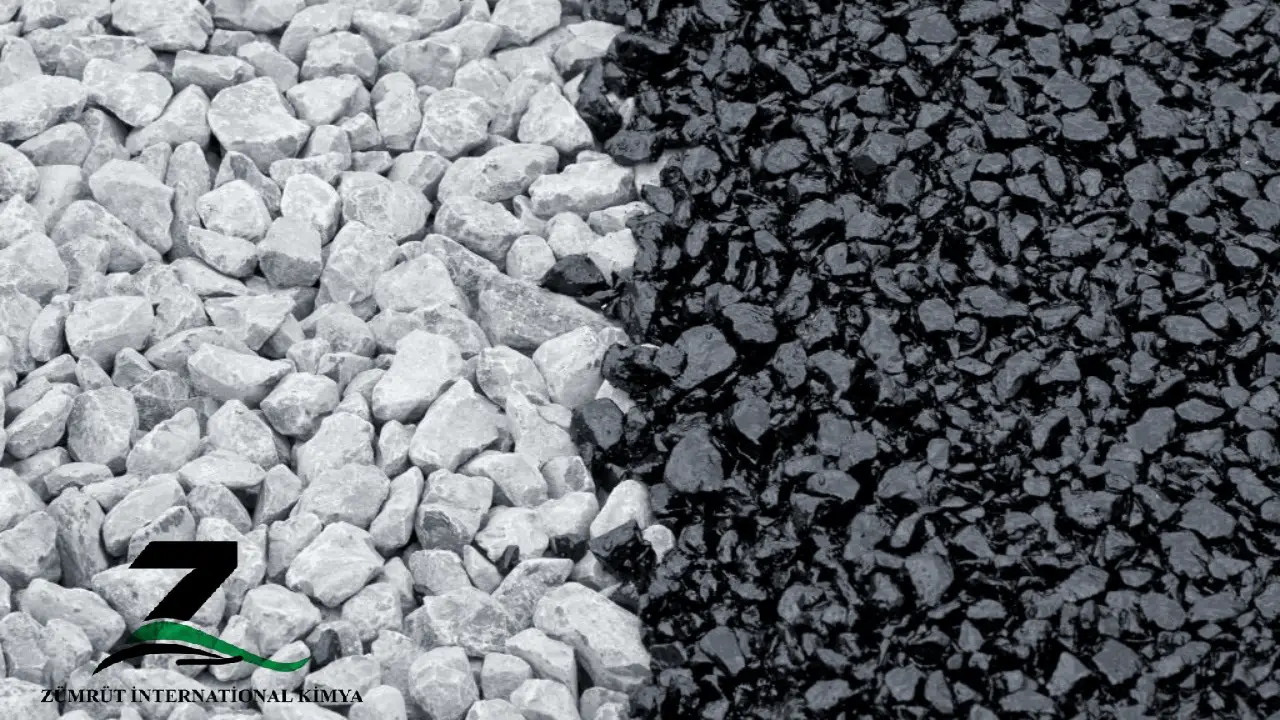
A Chip Seal is the application of asphalt emulsion to an existing surface followed by a layer of aggregate chips. The surface is then rolled to embed the aggregate chips into the asphalt emulsion. Our Chip Seal emulsions are designed and formulated to perform under various project conditions. The addition of polymer and rejuvenating agents to our standard Chip Seal Oil increase workability and aggregate chip retention.
Applying a layer of CRS bitumen emulsion and a layer of aggregates on it. That is suitable for the surfaces on which about 300 vehicles pass daily. In case the road is busy or there is a high traffic street, we must implement an asphalt layer or one or two Slurry Seal layers or one or two Micro-surfacing layers after applying Chip Seal.
What is a Chip Seal?
Chip seal, also known as surface dressing, is a pavement preservation method that involves:
- A thin application of bitumen emulsion.
- An immediate layer of aggregate chips.
- Rolling the chips into the emulsion to create a stable and wear-resistant surface.
Why Use Bitumen Emulsion for Chip Seal?
- Cold Application: Emulsion can be applied without heating, reducing costs and environmental impact.
- Quick Curing: Rapid-setting emulsions enable faster completion and reopening of roads.
- Strong Adhesion: Ensures that aggregate chips bond firmly to the road surface.
- Versatility: Suitable for a wide range of climates and traffic conditions.
Benefits of Chip Seal Using Bitumen Emulsion
- Pavement Protection: Prevents water infiltration and oxidation.
- Enhanced Skid Resistance: Improves vehicle safety by adding surface texture.
- Cost-Effectiveness: Provides an economical alternative to asphalt overlays.
- Dust Control: Reduces dust on gravel roads when applied as a seal coat.
Application Process for Bitumen Emulsion in Chip Seal
- Surface Preparation:
Clean the existing pavement to remove debris, dust, and loose materials.
Repair any significant cracks or potholes. - Application of Bitumen Emulsion:
Spray a uniform layer of bitumen emulsion using a distributor truck.
The application rate depends on the road’s condition, typically ranging from 1.0–1.5 liters/m². - Spreading Aggregate Chips:
Immediately spread clean, dry, and uniformly graded aggregate chips over the emulsion using a chip spreader.
Ensure consistent coverage to avoid bare spots or excessive buildup. - Rolling:
Use pneumatic-tired rollers to press the aggregate into the emulsion, ensuring strong adhesion.
Perform multiple passes for better compaction. - Sweeping:
After the emulsion has cured (typically within 1–4 hours), sweep away loose aggregate to prevent damage to vehicles and ensure a clean finish. - Opening to Traffic:
The road can be reopened once the surface is stable and free of loose aggregate, often within a few hours of application.
Types of Bitumen Emulsion for Chip Seal
- Rapid-Setting (RS) Emulsions:
Commonly used for chip seals due to quick curing.
Suitable for roads with heavy traffic. - Modified Emulsions:
Polymer-modified emulsions enhance elasticity, adhesion, and durability.
Recommended for high-stress roads or areas with extreme climates.
Key Considerations for Successful Chip Sealing
- Weather Conditions:
Avoid rain, high humidity, or low temperatures during application.
Ideal conditions include warm, dry weather (ambient temperature >15°C). - Aggregate Quality:
Use clean, angular, and properly graded aggregates for optimal performance. - Traffic Management:
Restrict traffic during application and curing to avoid aggregate displacement. - Equipment Calibration:
Ensure proper calibration of spray nozzles, spreader, and rollers for uniform application.
Performance Enhancements
- Double Chip Seal: Two layers of emulsion and aggregate for extra durability.
- Fog Seal: A diluted emulsion layer over the chip seal for added protection and sealing.