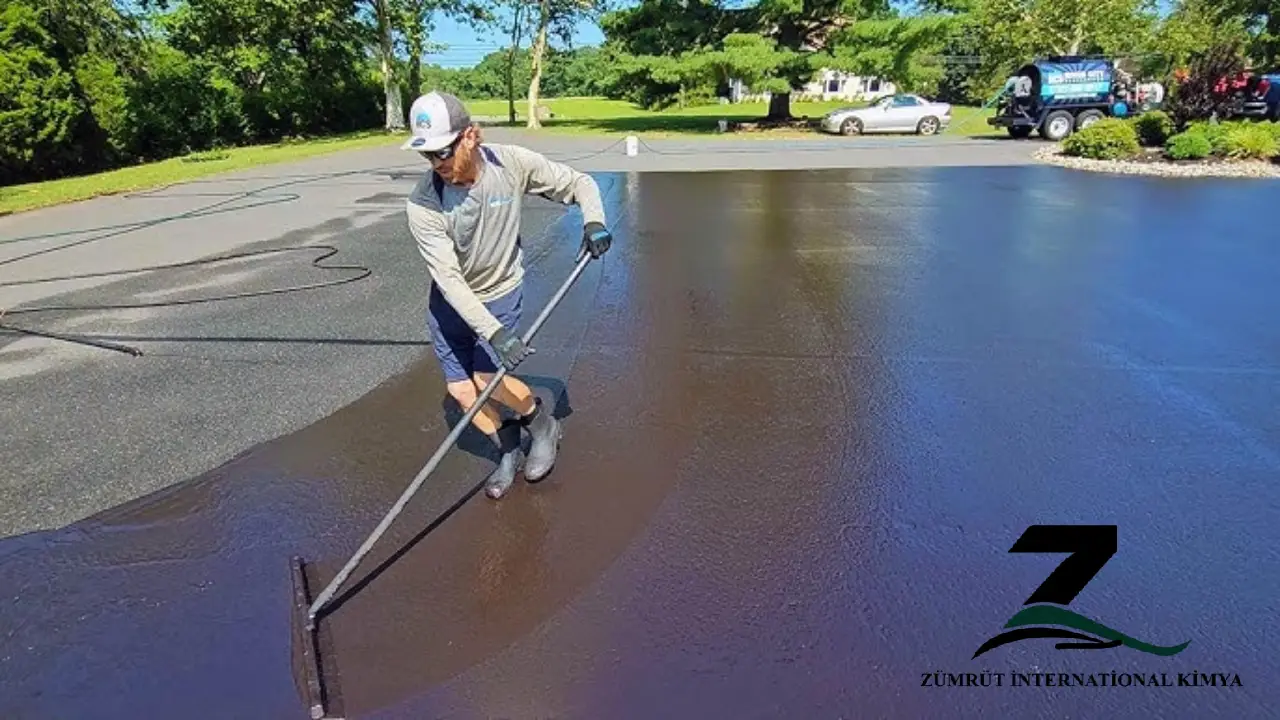
Bitumen Emulsion in Seal Coat
Bitumen emulsion is widely used in seal coat applications, which are essential for road maintenance and surface preservation. A seal coat is a thin protective layer applied to road surfaces to seal minor cracks, restore surface texture, and improve waterproofing, enhancing the durability and functionality of the pavement.
The asphalt surface of the roads can experience erosion, raveling, loss of aggregate, honeycombing, and sulphate attacks over time due to weather conditions such as frost, sunlight, heat, and also road salting, snow removal, as well as the effects of excessive loading and friction, especially caused by tire chains and snowplow blades. Failing to repair and install overlay asphalt in due time will allow damages to expand, leading to complete destruction of the road surface and even the underlying layers. The use of protective layers is recommended to prevent intensification of asphalt wear out, postpone overlay installation, maintain the existing conditions, and fill the cracks.
In addition to providing a suitable road surface, these layers will waterproof it and prevent the destruction of asphalt and its underlying layers. This is a cheap maintenance method that will ensure uninterrupted and secure operation of the roads. Different methods are recommended based on the degree of destruction, the weight and volume of traffic, and type of asphalt. These methods are inexpensive and can be employed early after or even before the beginning of asphalt pavement distress.
Spraying bitumen emulsion with a layer of gravel atop it. Emulsions with longer breaking time should be used for seal coating. In addition to creating a desirable surface, seal coating can provide suitable friction properties and waterproof the asphalt. Seal coat can be used at any times, and for different degrees of pavement distress, however, a layer of fog seal is recommended before seal coating. The best temperature for applying a seal coat is the warm or hot weather. Humid and cold weather will increase the drying time needed before the traffic is allowed to pass, which in warm weather will take four hours at most. In terms of function, depending on climatic conditions and the volume of traffic, seal coated road will take up to six hours to be ready for operation. Sealcoating is recommended for low-traffic rural and secondary roads, and not for high-traffic main roads.
Applying a layer of bitumen emulsion and adding one layer of aggregates on it. Normally CRS is used for this purpose.
What is a Seal Coat?
A seal coat is a surface treatment consisting of a thin layer of bitumen emulsion combined with fine aggregates. It provides:
Protection against water infiltration.
Increased skid resistance.
Protection against oxidation and weathering.
Types of Seal Coats Using Bitumen Emulsion
- Fog Seal: A diluted bitumen emulsion applied directly to the pavement surface to seal minor cracks and restore flexibility.
- Chip Seal: A combination of bitumen emulsion and aggregate chips to provide a durable, textured surface.
- Sand Seal: A bitumen emulsion layer covered with fine sand to improve skid resistance and fill surface voids.
- Slurry Seal: A mix of bitumen emulsion, fine aggregate, and water applied as a slurry to improve road texture and seal the surface.
Advantages of Bitumen Emulsion in Seal Coats
- Cold Application: Requires no heating, reducing energy costs and environmental impact.
- Quick Application and Setting: Allows roads to reopen to traffic shortly after application.
- Enhanced Adhesion: Strong bond with aggregates and existing pavement.
- Waterproofing: Protects the road structure from water penetration.
- Improved Skid Resistance: Restores surface texture for safer driving.
- Cost-Effective: Extends pavement life at a fraction of the cost of full reconstruction.
Application Process of Bitumen Emulsion in Seal Coat
- Surface Preparation:
Clean the road surface to remove dust, dirt, and loose materials.
Repair cracks and potholes if needed. - Application of Bitumen Emulsion:
Use a spray bar or distributor truck to apply the emulsion evenly across the surface.
The application rate depends on the surface condition and the type of seal coat. - Aggregate Spreading (For Chip or Sand Seal):
Immediately after emulsion application, spread aggregates uniformly over the surface.
Use pneumatic rollers to embed the aggregates firmly into the emulsion. - Curing:
Allow the emulsion to break and set, bonding the aggregates and sealing the pavement.
Curing time varies but is typically 1–4 hours. - Sweeping:
After curing, sweep away loose aggregates to prevent damage to vehicles.
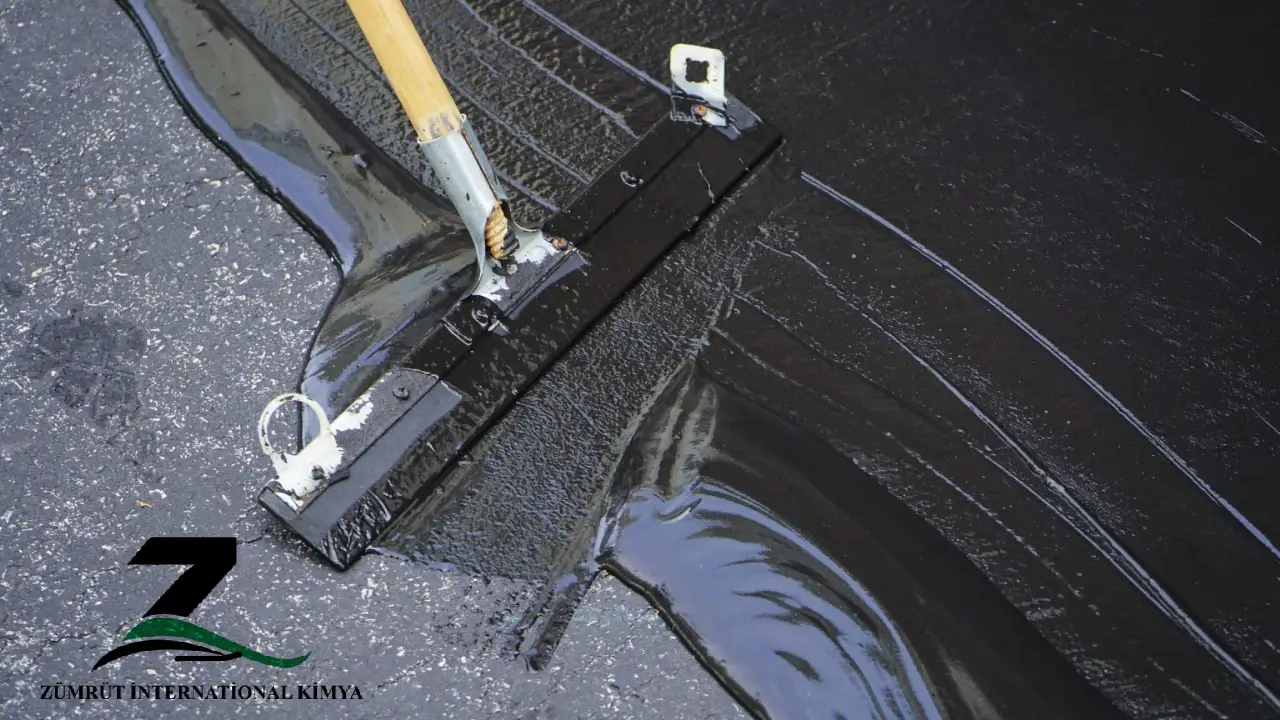
Selection of Bitumen Emulsion for Seal Coats
- Rapid-Setting (RS) Emulsions: Ideal for chip seals where quick curing is needed.
- Medium-Setting (MS) Emulsions: Used when working with finer aggregates.
- Slow-Setting (SS) Emulsions: Suitable for slurry and sand seals, where workability is crucial.
Considerations for Successful Application
- Weather Conditions: Avoid application during rain or extreme temperatures.
- Traffic Control: Ensure no traffic on the treated surface until it has cured.
- Quality Assurance: Use well-graded, clean aggregates and maintain proper application rates.