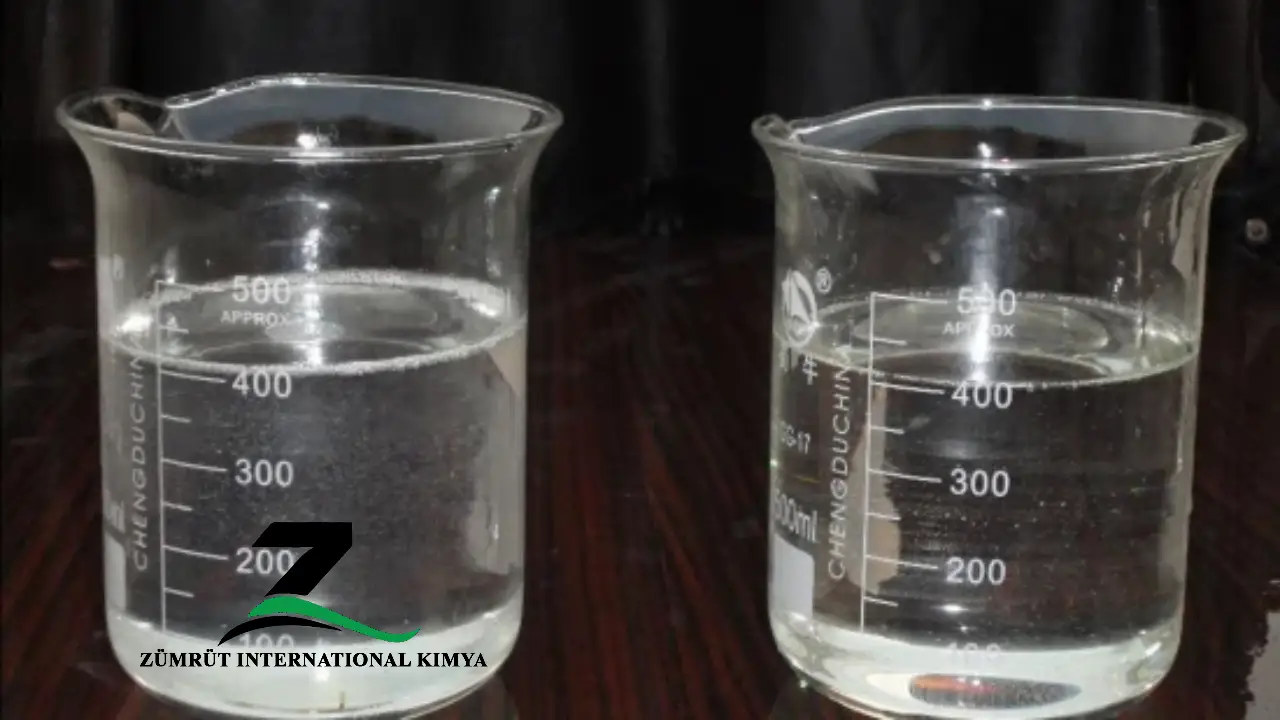
Description of Sulfuric Acid
Sulfuric acid is a highly corrosive, dense, oily liquid mineral acid composed of hydrogen, sulfur, and oxygen, with the chemical formula H₂SO₄. It is one of the most widely used and important industrial chemicals in the world.
Key Properties Supplier Sulfuric Acid:
- Chemical Formula: H₂SO₄
- Molar Mass: 98.08 g/mol
- Appearance: Colorless to slightly yellow, viscous liquid
- Density: 1.84 g/cm³ (concentrated)
- Boiling Point: 337 °C
- Solubility: Completely miscible with water, highly exothermic reaction
Common Uses:
1-Fertilizer Production
- Primarily used to produce phosphoric acid, which is a key ingredient in phosphate fertilizers.
2-Chemical Manufacturing
- Involved in the production of hydrochloric acid, nitric acid, synthetic detergents, dyes, pigments, explosives, and drugs.
3-Petroleum Refining
- Used in alkylation processes to produce high-octane gasoline.
4-Metal Processing
- Used for pickling (cleaning) of metals like iron and steel to remove oxidation before further processing.
5-Batteries
- Key component of lead-acid batteries used in vehicles and backup power systems.
6-Water Treatment and pH Adjustment
- Applied in treatment plants to control pH levels and neutralize alkaline substances.
Safety and Handling Supplier Sulfuric Acid:
- Extremely corrosive to skin, eyes, and mucous membranes.
- Reacts violently with water – always add acid to water, not the reverse.
- Requires proper PPE (Personal Protective Equipment) such as gloves, goggles, and acid-resistant clothing.
- Should be stored in acid-resistant containers in a cool, well-ventilated area.
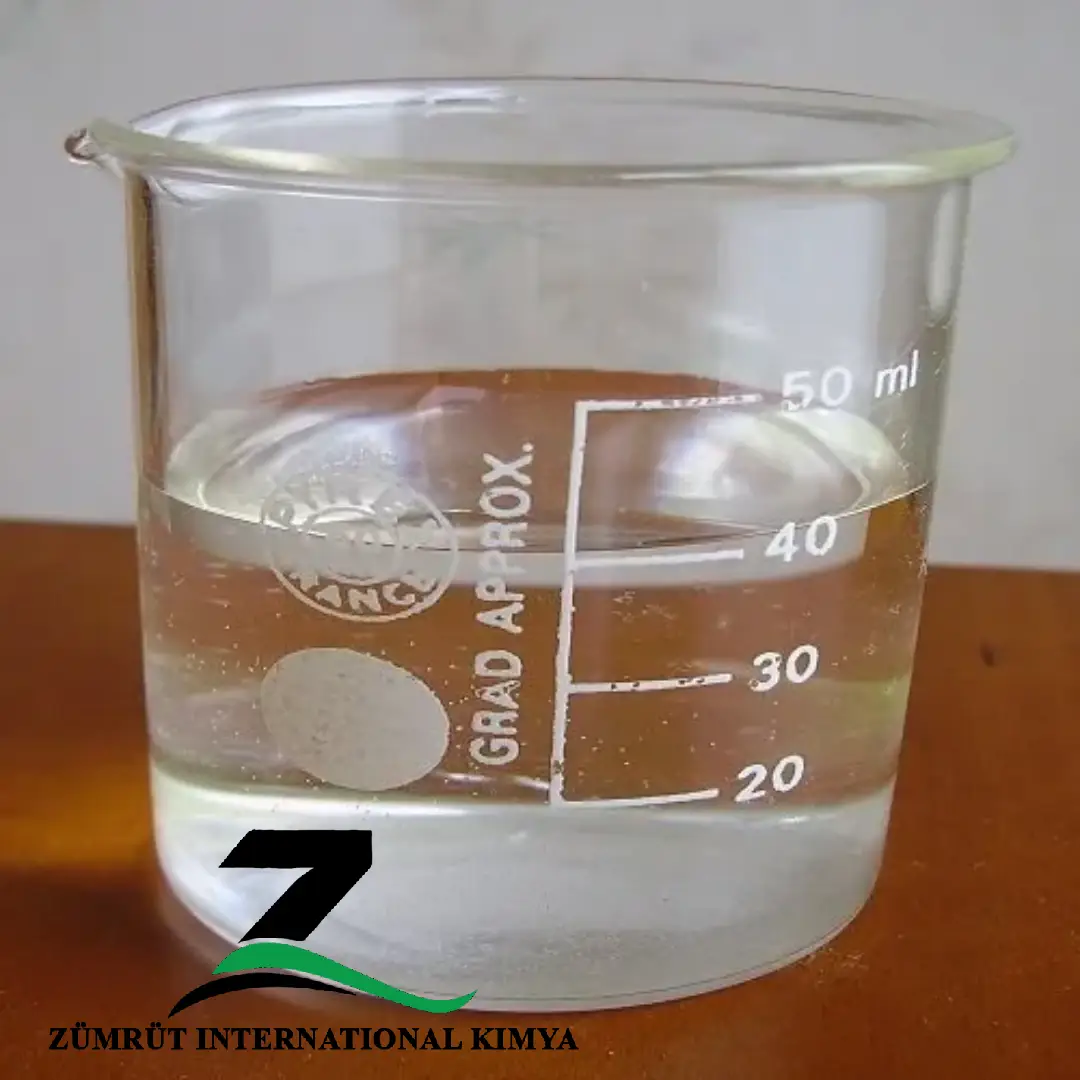
Applications of Sulfuric Acid (H₂SO₄)
Sulfuric acid is one of the most important and versatile industrial chemicals, used across a wide range of sectors. Its strong acidic and dehydrating properties make it essential in many chemical processes.
Major Applications:
1-Fertilizer Industry
- Phosphoric Acid Production: Sulfuric acid reacts with phosphate rock to produce phosphoric acid, which is used to manufacture phosphate fertilizers such as DAP (Diammonium Phosphate) and MAP (Monoammonium Phosphate).
- This is the largest single use of sulfuric acid worldwide.
2-Petroleum Refining
- Used in alkylation processes to produce high-octane gasoline components.
- Also helps remove impurities like water and organic compounds during oil refining.
3-Chemical Manufacturing
Serves as a reactant or catalyst in the production of a wide range of industrial chemicals including:
- Nitric acid
- Hydrochloric acid
- Synthetic detergents
- Sulfates and dyes
- Explosives and pharmaceuticals
4-Metal Processing
- Used in pickling to clean metals (especially iron and steel) by removing rust and scale before further processing such as galvanizing or plating.
5-Batteries
- Key component of lead-acid batteries, used in cars, trucks, motorcycles, and backup power systems.
- Acts as the electrolyte that enables the battery to store and deliver electricity.
6-Textile Industry
- Used in the processing of fibers and dyeing of fabrics.
- Helps in pH adjustment and preparation of fabric for coloring.
7-Water and Wastewater Treatment
- Adjusts pH levels and helps in the neutralization of alkaline substances.
- Plays a role in the removal of contaminants and impurities.
8-Pulp and Paper Industry
- Used in the chlorine dioxide bleaching process and to treat wood pulp.
9-Cleaning Agents
- Included in drain cleaners and heavy-duty industrial cleaners due to its corrosive action.
Specification of Sulfuric Acid
| Vapour pressure | 0.001 mm Hg (20°C) |
| Viscosity | 26.7 CP (20°C) |
| Odour | odourless |
| Melting point | 10°C |
| Density | 1.84 g/cm³ |
| Boiline ooint | 337°C (610 K) |
| Solubility in water | miscible |
| Molar mass | 98.079 g/mole |

Specification of Sulfuric Acid