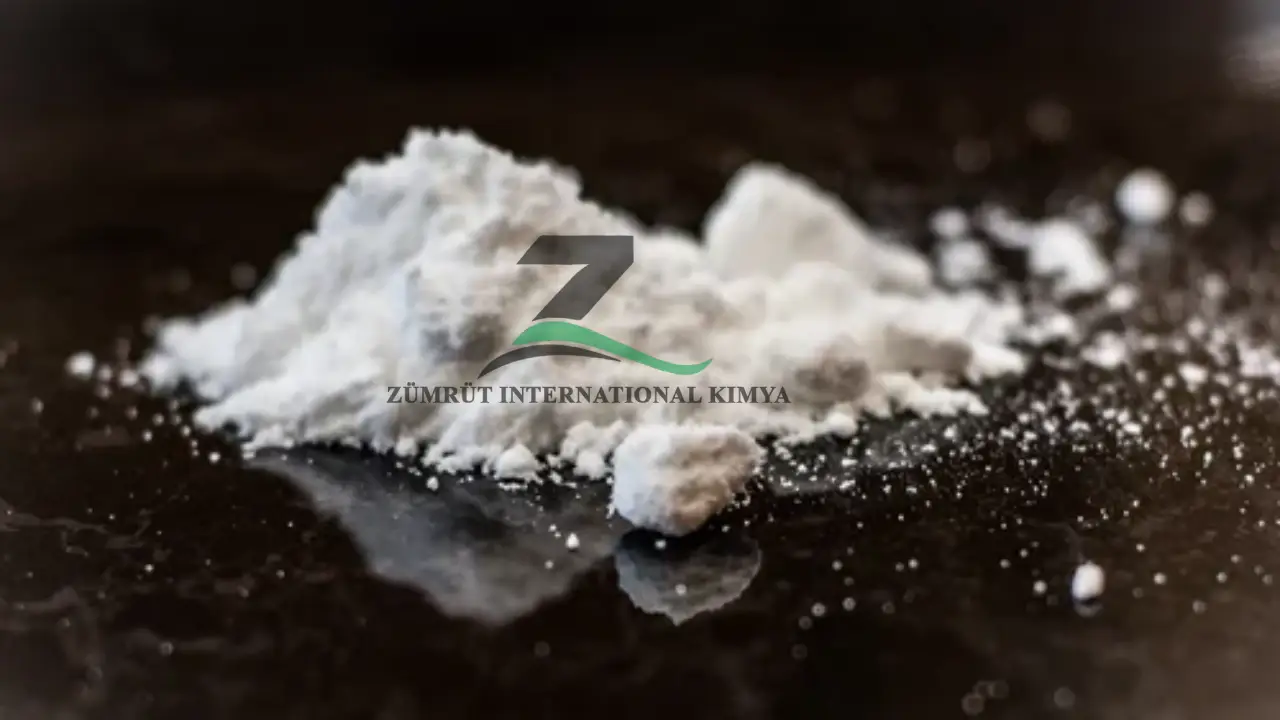
Description of Sodium Sulfate
Sodium sulfate is a white, crystalline inorganic compound with the chemical formula Na₂SO₄. It is odorless, non-toxic, and highly soluble in water. Available in both anhydrous and hydrated forms, the most common natural form is Glauber’s salt (sodium sulfate decahydrate – Na₂SO₄·10H₂O).
Key Properties:
- Chemical Formula: Na₂SO₄
- Molar Mass: 142.04 g/mol (anhydrous)
- Appearance: White crystalline solid or powder
- Solubility: Easily soluble in water; insoluble in ethanol
- pH: Neutral (around 7 when dissolved in water)
Common Uses:
1-Detergent and Cleaning Products
- Acts as a filler and processing aid in powdered laundry detergents.
2-Glass Manufacturing
- Used as a fining agent to remove small air bubbles from molten glass.
3-Pulp and Paper Industry
- Involved in the Kraft process for paper pulping.
- Serves as a leveling agent in dyeing processes, especially with synthetic dyes.
5-Chemical Manufacturing
- Used in the production of sodium sulfide, sodium silicate, and other industrial chemicals.
6-Pharmaceutical and Food Industry
- Sometimes used as a laxative or in analytical chemistry processes.
Safety and Handling:
- Non-toxic and non-flammable under normal conditions.
- Store in a dry, well-ventilated area.
- Avoid inhalation of dust; use protective equipment in industrial settings.
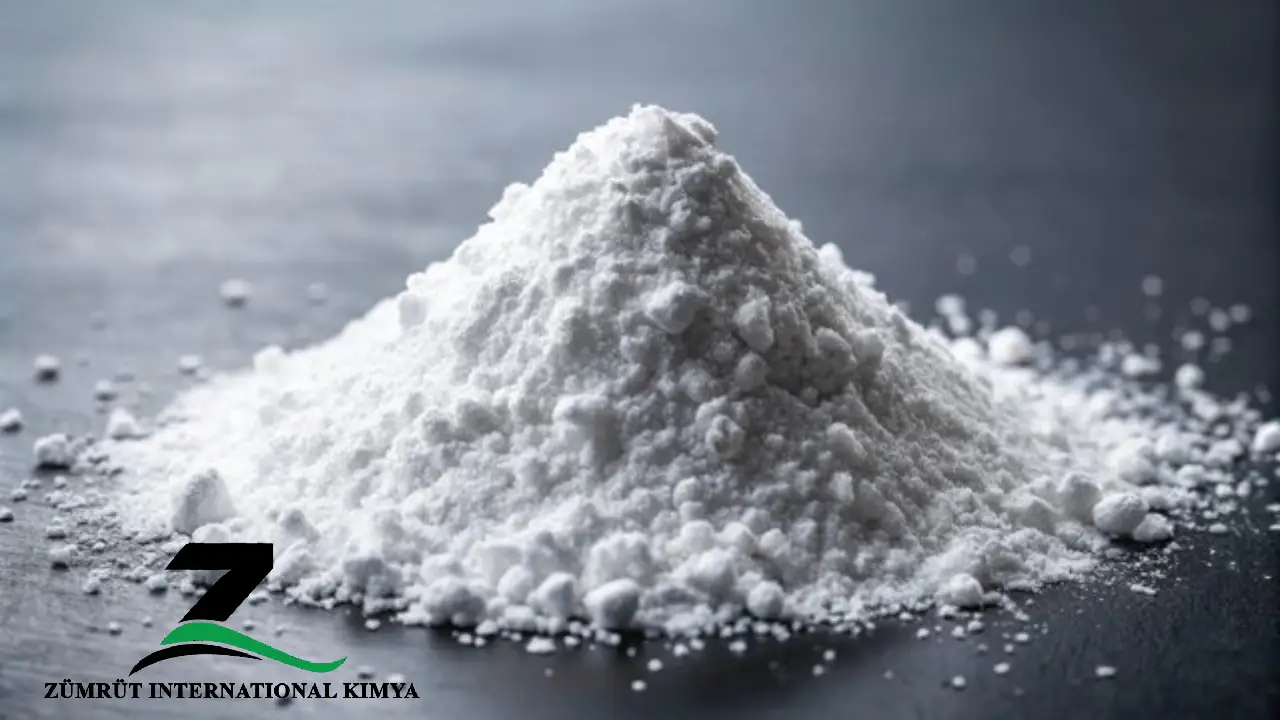
Health Risks of Supplier Sodium Sulfate
1. Inhalation:
- Dust inhalation may cause irritation to the respiratory tract.
- Symptoms can include coughing, sneezing, sore throat, or shortness of breath.
- Prolonged exposure in poorly ventilated areas may aggravate pre-existing lung conditions like asthma.
2. Skin Contact:
- Generally not harmful, but repeated or prolonged contact may cause dryness or mild irritation.
- Rare cases of allergic reactions or dermatitis may occur in sensitive individuals.
3. Eye Contact:
- Dust or particles can cause mechanical irritation, redness, or watering.
- Rinse immediately with water if contact occurs.
4. Ingestion:
- Low toxicity; small amounts are not considered dangerous.
- Large quantities can act as a laxative, leading to abdominal cramps, diarrhea, and nausea.
- In very high doses, it can lead to electrolyte imbalance.
5. Chronic Exposure:
- No known long-term health effects under normal industrial exposure levels.
- Not classified as a carcinogen or mutagen by major health authorities (e.g., OSHA, IARC, NTP).
Supplier Sodium Sulfate Packing
Our Sodium Sulfate, is offered in grain size by 20,40,100,200 Mesh, then packed in 50 KG PP bags. Palletizing and shrinking is possible. Also It will offer in Jumbo/Big bags.
Specification of Sodium Sulfate
| Compound Formula | Na2O4S |
| Molecular Weight | 142.04 |
| Appearance | White |
| Melting Point | 884° C (1,623° F) |
| Boiling Point | 1,429° C (2,604° F) |
| Density | 2.68 g/cm3 |
| Solubility in H2O | N/A |
| Exact Mass | 141.931 g/mol |
| Monoisotopic Mass | 141.931274 Da |

Specification of Sodium Sulfate