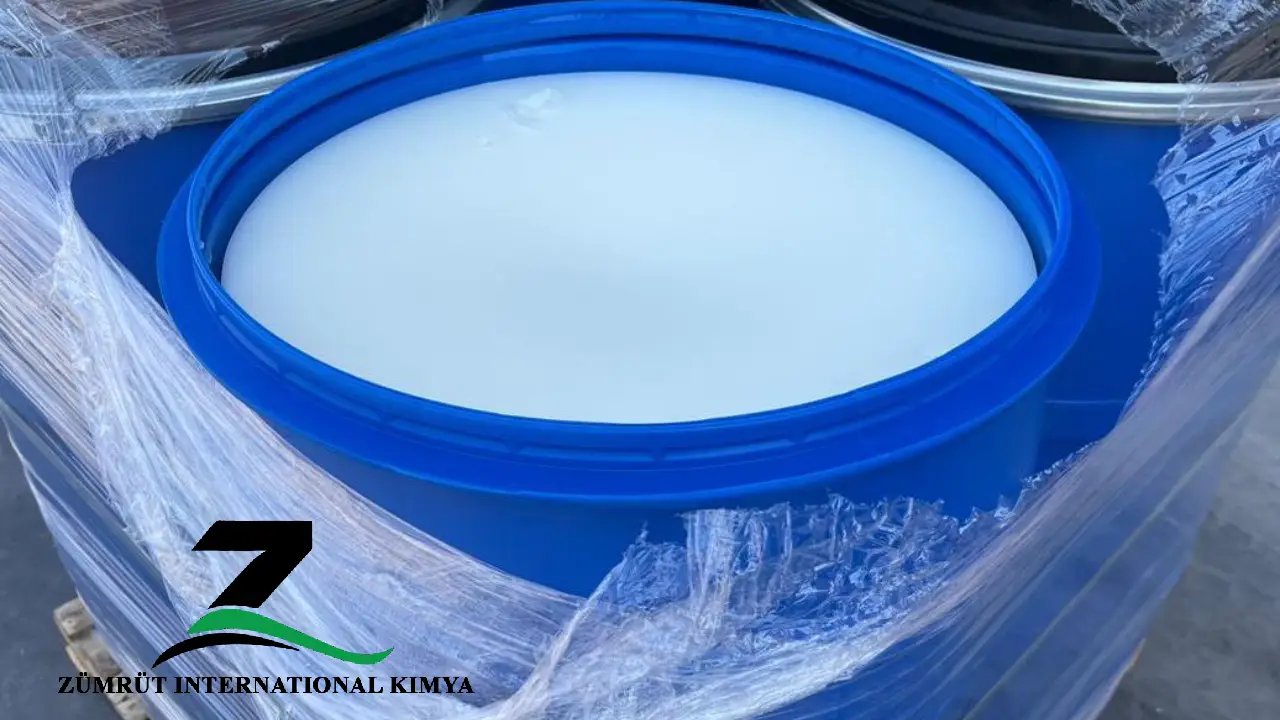
- General explanation about petroleum jelly (Vaseline)
- Uses of Petroleum Jelly (Vaseline)
- What is the importance of petroleum jelly in Ethiopia?
- Packaging and Price Supplier Petroleum Jelly Ethiopia
- Key Ethiopia Ports for Receiving Petroleum Jelly Grades
- Domestic and foreign Supplier Petroleum Jelly Ethiopia
- Specifications of petroleum jelly (Vaseline) in an industrial, pharma and cosmetic grade for Ethiopia
General explanation about petroleum jelly (Vaseline)
Petroleum jelly, commonly known by the brand name Vaseline, is a semi-solid mixture of hydrocarbons originally promoted for its skin-healing properties. It is a versatile and widely used product in both industrial and personal care settings.
Key Facts:
- Origin: Petroleum jelly was first discovered in the mid-19th century from oil rig residues. Robert Chesebrough refined the substance and introduced it to the market as “Vaseline” in 1870.
- Composition: It’s made from a mixture of mineral oils and waxes, forming a smooth, stable, water-repellent gel.
Uses of Petroleum Jelly (Vaseline)
- Moisturizer: Locks in skin moisture by forming a protective barrier.
- Healing aid: Helps soothe dry, cracked skin, minor cuts, and burns.
- Lip balm: Prevents chapped lips.
- Makeup remover: Gentle on sensitive skin and effective at dissolving makeup.
2. Medical
- Wound care: Prevents scabs from cracking and bleeding.
- Protection: Applied on skin to prevent diaper rash, friction burns, or skin chafing.
3. Industrial
- Lubrication: Used in machinery and tools to reduce friction.
- Rust prevention: Applied to metal surfaces as a protective coating.
Advantages
- Odorless, tasteless, and non-comedogenic (does not clog pores).
- Stable and long-lasting.
- Safe for most skin types, including sensitive skin.
Limitations
- Not water-soluble.
- Should not be used deep inside the body (e.g., nostrils) as it may cause respiratory issues if inhaled.

What is the importance of petroleum jelly in Ethiopia?
1. Healthcare and Traditional Use
- Wound care: Commonly used for minor cuts, burns, and to prevent skin infections.
- Moisture barrier: Helps protect dry or cracked skin, especially in highland or arid regions.
- Traditional medicine: Often used as a base to mix herbal remedies or traditional ointments.
2. Skincare and Personal Hygiene
- Everyday moisturizer: Used by individuals and families for lip care, dry skin, and baby care.
- Hair products: Mixed with oils or herbs to prepare homemade pomades and hair dressings.
- Cultural grooming: Petroleum jelly is used to enhance appearance during special occasions and in traditional grooming practices.
3. Cosmetic and Pharmaceutical Industry
- Local cosmetics: Used as a base in lotions, balms, and creams made by small-scale producers.
- Pharmaceutical formulations: Used by Ethiopian pharmacies and compounders to make balms and medicated ointments.
4. Economic Value and Employment
- Micro-enterprise: Many small businesses produce or repackage petroleum jelly for sale in local markets.
- Import and trade: Ethiopia imports significant volumes of petroleum jelly from countries like India, UAE, and China, contributing to retail and wholesale trade.
5. Religious and Cultural Practices
- In some communities, it’s applied to the skin during religious or cultural ceremonies as a symbol of grooming, cleanliness, or preparation.
Packaging and Price Supplier Petroleum Jelly Ethiopia
1. Small Packing Orders:
- Packing Types: 10 Kg, 20 Kg and 55 KG Steel or PE drums
- Price Range: USD 1000 to 1050 Per Metric Ton
2. Medium Packing Orders:
- Packing Types: 90 Kg PE drum
- Price Range: USD 1000 to 1050 Per Metric Ton
3. Large Packing Orders:
- Packing Types: 175 Kg PE drum
- Price Range: USD 1000 to 1030 Per Metric Ton
4.Custom Orders or Private Labeling:
- Custom packaging and labeling options are available upon request. Prices for these orders vary based on the
- specifics of the packaging and quantity.
This price is for FOB Jebel Ali Port-UAE. Also, we can send goods from Mersin Port-Turkey. Please Call for Updated Price
Key Ethiopia Ports for Receiving Petroleum Jelly Grades
- Port of Djibouti (Djibouti)
Connected by road and rail to Ethiopia.
- Doraleh Multipurpose Port (Djibouti)
Location: Near the Port of Djibouti.
🚛 Ethiopia’s Inland Logistics Hubs (Dry Ports)
After goods arrive at Djibouti ports, they are moved to Ethiopia via the Ethiopian-Djibouti Railway or road transport and processed at inland hubs:
- Modjo Dry Port (Oromia Region)
Largest dry port in Ethiopia. - Kality Dry Port (Addis Ababa)
Function: Distributes goods from Modjo to Addis Ababa businesses and industries.
Domestic and foreign Supplier Petroleum Jelly Ethiopia
- East African Pharmaceuticals PLC
Location: Addis Ababa - Sheba Pharmaceuticals PLC
Focus: Local pharmaceutical company that may source petroleum jelly for ointments and topical applications.Use: Likely to import pharmaceutical-grade jelly for internal production. - Small & Medium Enterprises (SMEs)
Found in Addis Ababa, Hawassa, Bahir Dar, and other major cities.
International Supplier Petroleum Jelly Ethiopia
ZUMRUT International Kimya is a leading petrochemical company in Turkey, supplying Vaseline (petroleum jelly) to Ethiopia and other Africa countries. The company is a key player in the regional Vaseline market with operations in Turkey and the United Arab Emirates.
Specifications of petroleum jelly (Vaseline) in an industrial, pharma and cosmetic grade for Ethiopia
Analysis of petroleum jelly industrial grade
T.D.S of petroleum jelly cosmetic grade A
Analysis of petroleum jelly cosmetic grade B