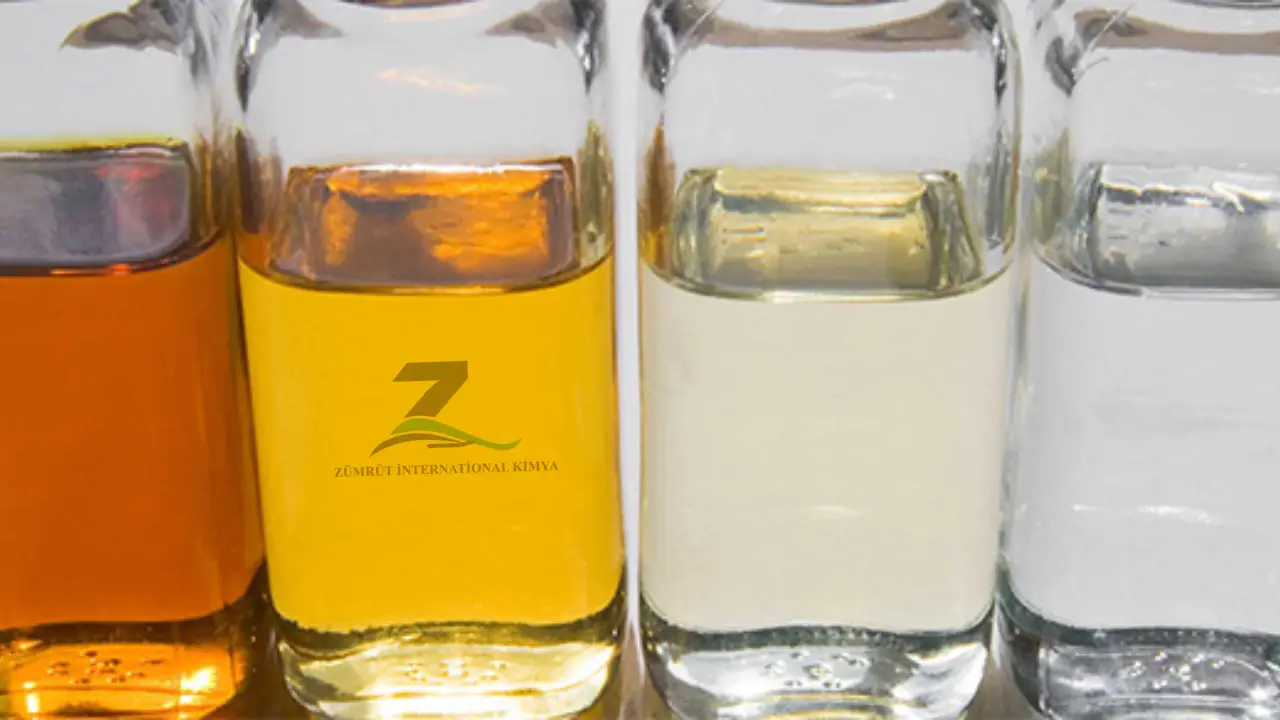
RC Base Oil
Regenerated Base Oil is a term used to describe base oil that has been recovered and purified from used or waste oil. Through advanced refining processes such as distillation, filtration, and chemical treatments, the oil is regenerated to meet quality standards comparable to virgin base oils.
Key Characteristics of Recycled Base Oil
- High Purity:
Undesirable contaminants, such as water, dirt, and heavy metals, are removed during the refining process.
Restores oil to a clean and reusable state. - Eco-Friendly:
Promotes sustainability by reducing waste and minimizing the need for virgin oil extraction.
Helps in conserving natural resources and reducing environmental pollution. - Versatile Applications:
Suitable for use in lubricants, greases, hydraulic oils, and other industrial fluids.
Provides comparable performance to virgin base oils.
Applications
- Automotive Lubricants: Used in engine oils, transmission fluids, and gear oils.
- Industrial Lubricants: Used in machinery and manufacturing processes.
- Hydraulic Fluids: Provides efficient performance in hydraulic systems.
- Metalworking: Acts as a base for cutting oils and other specialized fluids.
Benefits of RC Base Oil
- Cost-Effective: Lower production costs compared to virgin oil, making it an economical choice.
- Environmental Impact: Reduces waste oil disposal and supports circular economy principles.
- High Performance: Meets industry specifications and performance requirements.
The importance of recycled base oil in countries like Myanmar, India and Vietnam
The Importance of Recycled Base Oil in Myanmar, India, and Vietnam
Recycled base oil, also known as regenerated or re-refined base oil, plays a crucial role in the economic and environmental development of emerging markets like Myanmar, India, and Vietnam. These countries, with growing industrial sectors and rising energy demands, benefit significantly from the use of recycled base oil in various industries.
Key Importance of Recycled Base Oil
- Environmental Sustainability
– Waste Management: In countries with limited infrastructure for waste disposal, recycling used oil helps mitigate environmental pollution. This is particularly critical for Myanmar and Vietnam, where improper disposal of waste oil can harm water and soil ecosystems.
– Conservation of Resources: By reusing waste oil, these countries reduce the dependency on crude oil imports, which aligns with global sustainability goals.
– Lower Carbon Footprint: Recycling processes emit fewer greenhouse gases compared to producing virgin base oil, helping to combat climate change. - Cost-Effectiveness
– Affordable Production: Re-refined base oil is cheaper to produce than virgin base oil, making it an attractive option for industries in India, Myanmar, and Vietnam, where cost efficiency is crucial.
– Economic Savings: Reduced reliance on imported crude oil helps in saving foreign exchange, especially for developing nations like Myanmar.
– Support for Local Businesses: Recycling facilities create jobs and opportunities in local communities, contributing to economic growth. - Industrial Applications
– Automotive Industry: In countries like India and Vietnam, where automotive production and usage are booming, recycled base oil is widely used for manufacturing lubricants, engine oils, and transmission fluids.
– Industrial Machinery: The manufacturing sectors in these nations rely on affordable and efficient lubricants made from recycled base oil to keep machinery running smoothly.
– Construction Sector: Growing infrastructure projects in Myanmar and Vietnam use hydraulic and gear oils derived from recycled base oil for equipment and machinery. - Energy Security
– Reduced Dependency on Imports: Countries like India, which are heavily reliant on imported crude oil, benefit from the use of recycled base oil as it reduces the demand for virgin oil.
– Local Production: Encourages the development of domestic recycling industries, ensuring a steady supply of base oil. - Compliance with Global Standards
– Sustainability Goals: By integrating recycled base oil into their supply chains, these countries align with global environmental standards and sustainable practices.
– International Trade Opportunities: Exporting recycled base oil or finished products like lubricants to neighboring markets fosters regional trade and economic growth.
Country-Specific Benefits
- Myanmar:
Emerging industrial base benefits from affordable lubricants.
Reduces environmental hazards caused by improper waste oil disposal. - India:
Massive automotive and industrial machinery markets drive demand for cost-effective, sustainable lubricants.
Supports the country’s initiatives toward renewable and sustainable practices. - Vietnam:
Rapid urbanization and infrastructure development rely on recycled oil for heavy machinery and equipment.
Boosts the local economy by encouraging recycling industries.
Packing of Regenerated Base Oil
re-refined base oil packed in new or used 220kg drums, iso tank, flexitanks, and IBC tank. Each 20-foot container takes 80 drums.
ZUMRUT Co is Producer of Recycle Base Oil SN150, SN350, and SN500
Specification of Recycled base oil SN150:
| SPECIFICATION | MIN | MAX | METHOD |
| Viscosity @100˚C | 6 | 7.5 | ASTM D-445 |
| Viscosity @40˚C | 35 | 55 | ASTM D-445 |
| Viscosity Index | 100 | 110 | ASTM D-2270 |
| Flash Point ˚C | 180 | 190 | ASTM D-92 |
| Pour point | 0 | 0 | ASTM D-97 |
| Total Acid Number mgKOH/g | 0 | 0.03 | ASTM D-664 |
| Color | 2 | 2.5 | ASTM D-1500 |
| Density | 0.868 | 0.874 | ASTM D-1298 |

Specification of Zumrut Kimya RC base oil SN150
Specification of Recycled base oil SN500:
| SPECIFICATION | MIN | MAX | METHOD |
| Viscosity @100˚C | 9.5 | 11.5 | ASTM D-445 |
| Viscosity Index | 90 | 95 | ASTM D-2270 |
| Flash Point ˚C | 240 | 250 | ASTM D-92 |
| Pour point | -2 | 0 | ASTM D-97 |
| Total Acid Number mgKOH/g | 0.2 | 0.25 | ASTM D-664 |
| Color | 1.5 | 2 | ASTM D-1500 |
| Density | 0.885 | 0.895 | ASTM D-1298 |
| Column 1 Value 8 | Column 2 Value 8 | Column 3 Value 8 | Column 4 Value 8 |