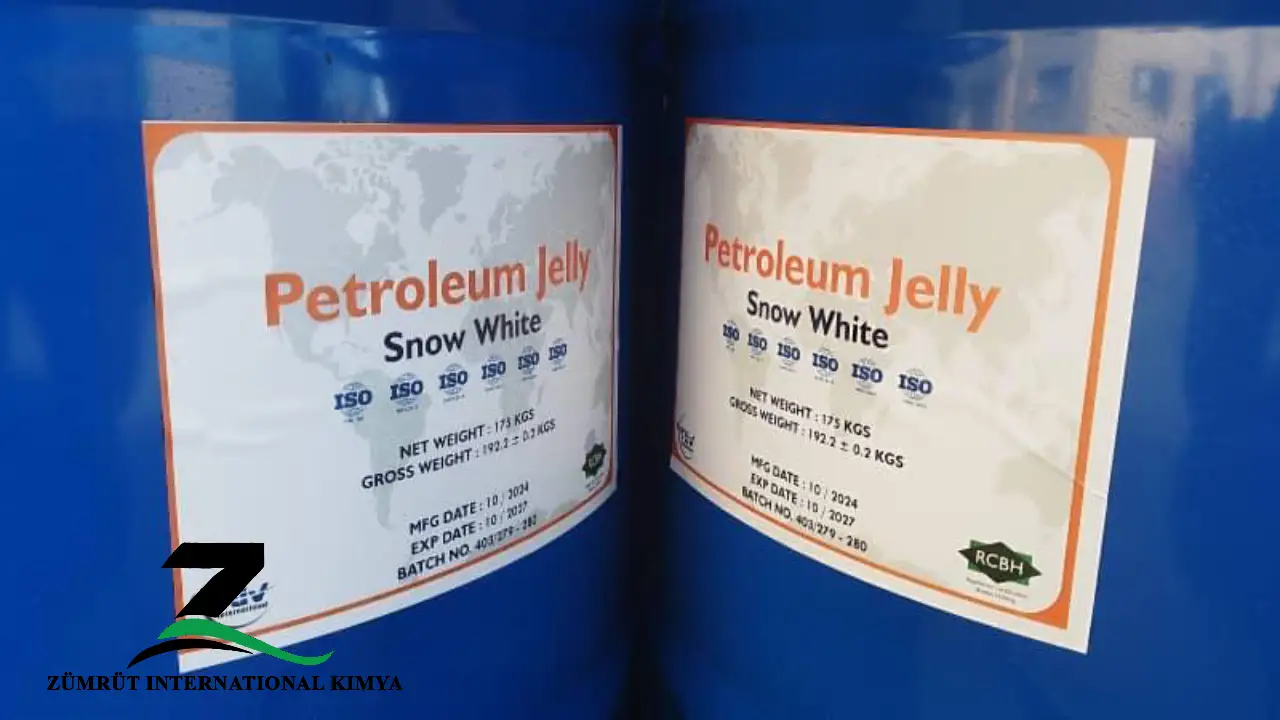
General explanation about petroleum jelly
Petroleum jelly, commonly known by the brand name Vaseline, is a semi-solid mixture of hydrocarbons originally promoted for its skin-healing properties. It is a versatile and widely used product in both industrial and personal care settings.
Key Facts:
- Origin: Petroleum jelly was first discovered in the mid-19th century from oil rig residues. Robert Chesebrough refined the substance and introduced it to the market as “Vaseline” in 1870.
- Composition: It’s made from a mixture of mineral oils and waxes, forming a smooth, stable, water-repellent gel.
Uses of Petroleum Jelly (Vaseline)
1. Cosmetic and Skin Care
- Moisturizer: Locks in skin moisture by forming a protective barrier.
- Healing aid: Helps soothe dry, cracked skin, minor cuts, and burns.
- Lip balm: Prevents chapped lips.
- Makeup remover: Gentle on sensitive skin and effective at dissolving makeup.
2. Medical
- Wound care: Prevents scabs from cracking and bleeding.
- Protection: Applied on skin to prevent diaper rash, friction burns, or skin chafing.
3. Industrial
- Lubrication: Used in machinery and tools to reduce friction.
- Rust prevention: Applied to metal surfaces as a protective coating.
Advantages
Odorless, tasteless, and non-comedogenic (does not clog pores).
Stable and long-lasting.
Safe for most skin types, including sensitive skin.
Limitations
Not water-soluble.
Should not be used deep inside the body (e.g., nostrils) as it may cause respiratory issues if inhaled
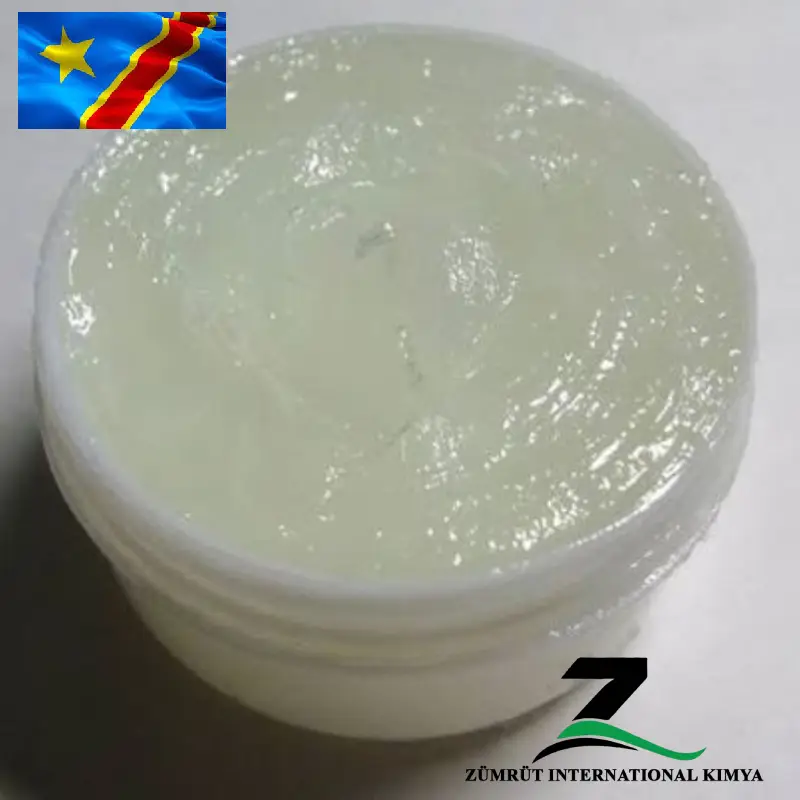
Importance of Petroleum Jelly in DRC Congo
Petroleum jelly is an essential product in the Democratic Republic of the Congo (DRC), where it plays a key role in healthcare, personal care, baby care, and low-income household hygiene. Its wide availability, low cost, and multipurpose use make it a daily necessity for millions of Congolese people.
1. Healthcare & Medical Use
- Wound Protection: Used to treat minor cuts, burns, and scrapes by forming a barrier that protects against dirt and bacteria.
- Moisture Retention: Helps heal dry, cracked skin and is often used in health centers lacking access to advanced ointments.
- Safe for Sensitive Skin: Preferred in rural clinics for its non-reactive and hypoallergenic nature.
2. Essential Baby Care Product
Widely used by mothers to:
- Prevent diaper rash
- Soothe baby skin irritation or dryness
Recommended in maternal health campaigns and often distributed in baby care kits by NGOs and health workers.
3. Protection Against Harsh Weather Conditions
In both humid and dry seasons, people use petroleum jelly to:
- Prevent skin cracking from sun exposure
- Moisturize skin during dry Harmattan winds
Often used by outdoor workers and students to shield lips, hands, and faces from the elements.
4. Hair Care and Beauty
Popular for Afro-textured hair care:
- Adds shine
- Soothes dry scalp
- Acts as a base for mixing with herbal oils
Commonly used in barber shops and by individuals in home grooming routines.
5. Affordable and Accessible
Sold in:
- Pharmacies
- Open-air markets
- Neighborhood shops
Available in small, low-cost packaging, making it accessible to low-income households.
Used as a substitute for expensive lotions or creams, especially in rural areas.
6. Cultural and Traditional Use
- Often mixed with shea butter or local herbs to create healing balms.
- Used in religious and ceremonial practices involving body care and grooming.
7. Humanitarian and Relief Applications
Included in hygiene kits by:
- UNICEF
- Red Cross
- Médecins Sans Frontières
Distributed in refugee camps and conflict-affected regions for skin protection and baby care.
Packaging and Price Supplier Petroleum Jelly DRC Congo
Small Packing Orders:
Packing Types: 10 Kg, 20 Kg and 55 KG Steel or PE drums
Medium Packing Orders:
Packing Types: 90 Kg PE drum
Large Packing Orders:
Packing Types: 175 Kg PE drum
Custom Orders or Private Labeling:
Custom packaging and labeling options are available upon request. Prices for these orders vary based on the
specifics of the packaging and quantity.
This price is for FOB Jebel Ali Port-UAE. Also, we can send goods from Mersin Port-Turkey. Please Call for Updated Price
Key DRC Congo Ports for Receiving Petroleum Jelly Grades
- Port of Matadi (Main Seaport)
Location: On the Congo River, near the Atlantic coast. - Port of Boma
Location: Downstream from Matadi on the Congo River.
Domestic and foreign Supplier Petroleum Jelly DRC Congo
Key Types of Local Suppliers:
- Pharmaceutical Distributors
Example: Pharmagros, Pharco DRC, Laborex RDC
Import and distribute white petroleum jelly for baby care, medical use, and retail sale. - Cosmetics & Beauty Shops
Example: Belle Afrique, Cosmética Kinshasa
Offer yellow petroleum jelly and imported cosmetic brands from India, Turkey, and UAE.
Foreign Suppliers of Petroleum Jelly to DRC Congo
ZUMRUT International Kimya is a leading petrochemical company in Turkey, supplying petroleum jelly (Vaseline) to DRC Congo and other Africa countries. The company is a key player in the regional Vaseline market with operations in Turkey and the United Arab Emirates.
Specifications of petroleum jelly (Vaseline) in an industrial, pharma and cosmetic grade for DRC Congo
Analysis of petroleum jelly industrial grade
T.D.S of petroleum jelly cosmetic grade A
Analysis of petroleum jelly cosmetic grade B