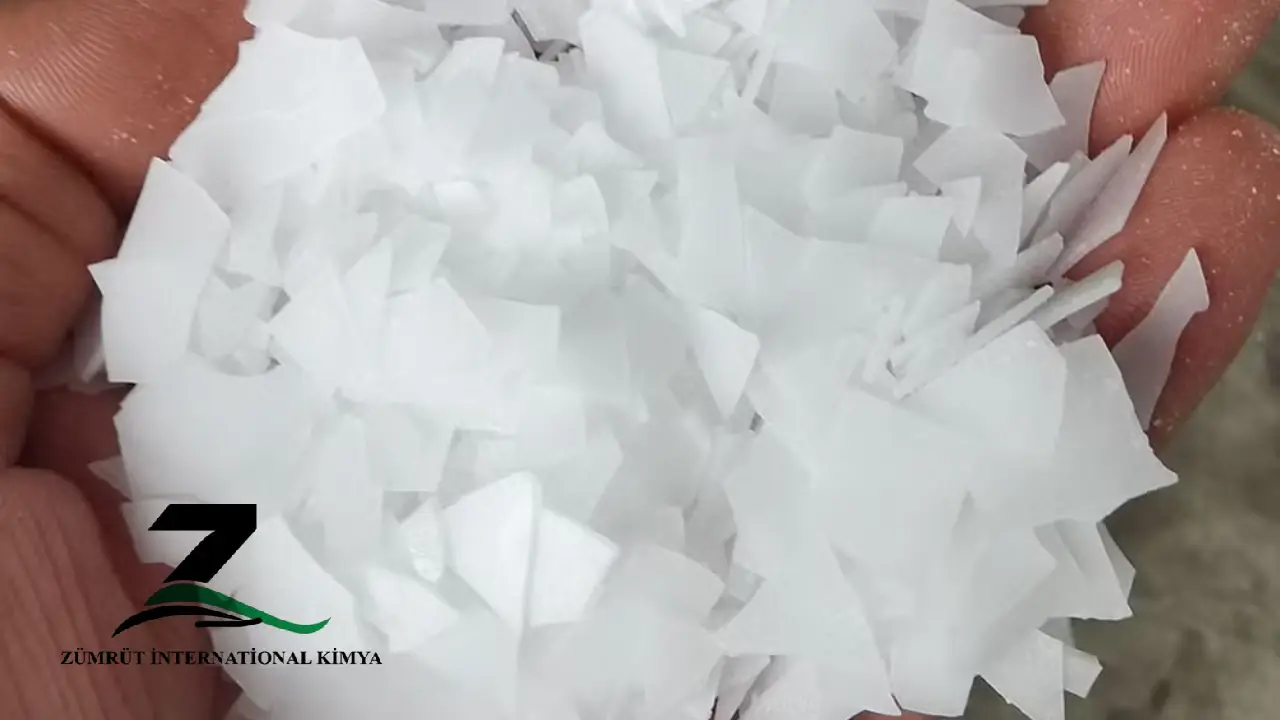
polyethylene wax in the food packaging industry
Polyethylene wax (PE wax) plays a crucial role in the food packaging industry due to its unique lubricating, anti-blocking, and moisture-resistant properties. Here are its primary functions:
- Coatings & Surface Protection
PE wax is widely used as a coating material for food packaging films, paper, and cardboard to improve moisture resistance and durability.
It enhances scratch resistance and slip properties, making packaging smoother and more resistant to handling damage. - Heat Sealing & Processing Aid
It improves heat sealing performance in flexible food packaging materials, ensuring strong and secure seals.
In extrusion processes, PE wax acts as a processing aid, reducing friction and improving flow during production. - Anti-Blocking Agent
Prevents layers of plastic film from sticking together, which is critical in packaging applications where sheets or rolls need to be separated easily. - Release Agent
Used in mold release applications, ensuring that food containers, trays, or other molded packaging components easily separate from their production molds. - Water & Grease Resistance
Enhances water-repellent and oil-resistant properties, making it ideal for fast-food packaging, bakery wraps, and frozen food containers. - Improves Printability
Helps in enhancing ink adhesion on packaging films and labels, ensuring high-quality branding and product information printing.
Polyethylene wax, being food-safe (when complying with regulations), is a valuable additive in food packaging, providing protection, efficiency, and enhanced functionality.
Benefits of Polyethylene Wax in Food Packaging
Polyethylene wax (PE wax) has become an essential component in the food packaging industry due to its unique properties and benefits.
- Enhanced Barrier Properties
One of the primary benefits of polyethylene wax in food packaging is its ability to enhance barrier properties. PE wax creates an effective barrier against moisture, oxygen, and other environmental factors that can degrade food quality. By incorporating PE wax into packaging materials, manufacturers can significantly extend the shelf life of perishable goods. This barrier protection is crucial for maintaining the freshness and safety of food products, especially those that are sensitive to moisture and oxygen. - Improved Mechanical Strength
Polyethylene wax contributes to the mechanical strength of packaging materials. It enhances the durability and flexibility of films and coatings, making them more resistant to tears, punctures, and other forms of physical damage. This increased strength ensures that the packaging can withstand the rigors of transportation and handling, reducing the risk of product spoilage and waste. The enhanced durability also allows for thinner packaging materials, which can lead to cost savings and reduced environmental impact. - Cost-Effectiveness
Incorporating polyethylene wax into food packaging is a cost-effective solution for manufacturers. PE wax is relatively inexpensive compared to other additives, yet it provides significant benefits that can reduce overall packaging costs. Its ability to improve the performance and longevity of packaging materials means fewer resources are needed for replacements and repairs. Additionally, the lightweight nature of PE wax contributes to lower shipping costs, further enhancing its economic advantages. - Versatility in Application
Polyethylene wax is highly versatile and can be used in various types of food packaging, including flexible films, rigid containers, and coatings. Its compatibility with different substrates such as paper, cardboard, and plastic allows for wide-ranging applications. This versatility means that PE wax can be tailored to meet specific packaging requirements, ensuring optimal protection for different food products. Moreover, its ease of application and ability to blend with other materials make it a valuable component in the packaging industry. - Sustainability and Environmental Impact
Sustainability is a growing concern in the packaging industry, and polyethylene wax offers several environmental benefits. PE wax is derived from petroleum, but it can be produced from renewable resources as well. Its use in packaging can help reduce the environmental footprint by enabling the creation of thinner, lighter materials that require less energy to produce and transport. Additionally, polyethylene wax can be incorporated into biodegradable and compostable packaging solutions, aligning with global efforts to reduce plastic waste and promote eco-friendly alternatives. - Improved Heat Sealability
Another significant advantage of polyethylene wax in food packaging is its ability to improve heat sealability. PE wax lowers the melting point of packaging films, which facilitates easier and more efficient sealing processes. This property is particularly beneficial for packaging operations that require high-speed sealing and increased production efficiency. Improved heat sealability ensures that packages are securely closed, preventing contamination and preserving food quality. - Enhanced Printability
Packaging aesthetics play a crucial role in consumer appeal and brand recognition. Polyethylene wax enhances the printability of packaging materials, allowing for high-quality graphics and text. This improved printability is essential for creating visually appealing packaging that can attract consumers and convey important product information. The smooth surface provided by PE wax also ensures that printed designs are sharp and durable, maintaining their quality throughout the product’s shelf life. - Regulatory Compliance
Finally, polyethylene wax in food packaging helps manufacturers meet regulatory standards for food safety and packaging. PE wax is approved for use in food contact applications by various regulatory bodies, including the FDA and EFSA. Its non-toxic and food-safe properties ensure that it does not pose any health risks to consumers. By using PE wax, manufacturers can confidently produce packaging that complies with stringent safety regulations and meets consumer expectations for safe and hygienic food products.
In conclusion, polyethylene wax offers numerous benefits in food packaging, from enhancing barrier properties and mechanical strength to improving cost-effectiveness and sustainability. Its versatility and regulatory compliance make it
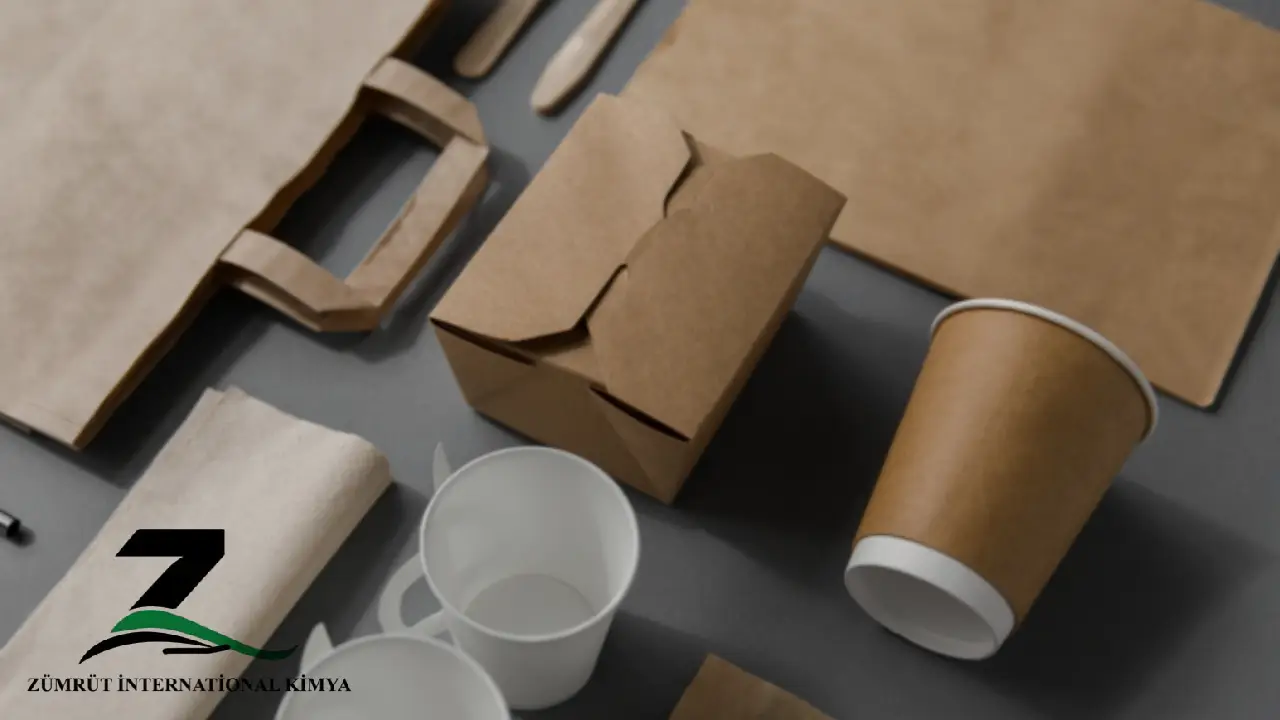
Enhancing Food Safety with Polyethylene Wax Coatings
Food safety is a critical concern in the packaging industry, and polyethylene wax (PE wax) coatings play a significant role in ensuring the protection and longevity of food products. This section explores the various ways in which PE wax coatings enhance food safety, from providing a protective barrier to preventing contamination.
- Protective Barrier Against Contaminants
Polyethylene wax coatings create a robust barrier that protects food from external contaminants. This barrier effectively blocks out moisture, oxygen, and other environmental factors that can compromise food safety. By preventing the ingress of these elements, PE wax coatings help maintain the integrity and freshness of the food, reducing the risk of spoilage and extending shelf life. This is particularly important for perishable items such as fruits, vegetables, and dairy products. - Prevention of Microbial Growth
The application of PE wax coatings significantly reduces the risk of microbial growth on food surfaces. These coatings create an inhospitable environment for bacteria, molds, and yeasts, which are common culprits in foodborne illnesses. The impermeability of the PE wax layer ensures that microorganisms cannot penetrate the packaging, thereby preserving the safety and quality of the food. This is essential for ensuring that consumers receive safe, uncontaminated products. - Resistance to Physical Damage
Polyethylene wax coatings enhance the durability of packaging materials, making them more resistant to physical damage such as punctures, tears, and abrasions. This added strength is crucial in maintaining the protective barrier around food items, particularly during transportation and handling. Damaged packaging can lead to exposure to contaminants, but with the enhanced protection provided by PE wax, the risk of such incidents is minimized, thereby safeguarding food safety. - Non-Toxic and Food-Safe Properties
Polyethylene wax is non-toxic and safe for use in food contact applications, as approved by regulatory agencies like the FDA and EFSA. Its food-safe properties ensure that it does not introduce any harmful substances into the food. This makes PE wax coatings an ideal choice for packaging, as they do not compromise the health of consumers. The assurance of non-toxicity is a critical factor in meeting food safety standards and consumer expectations. - Improved Heat Seal Integrity
PE wax coatings improve the heat seal integrity of packaging materials. A secure seal is vital in preventing contamination and ensuring the food remains protected from external factors. PE wax enhances the seal’s strength and reliability, reducing the likelihood of leaks or breaches. This is particularly beneficial for packaging liquids, semi-liquids, and other products that require airtight sealing to maintain their safety and quality. - Chemical Resistance
Food packaging materials often need to withstand exposure to various chemicals, such as cleaning agents and preservatives. Polyethylene wax coatings provide excellent chemical resistance, protecting the food from potential chemical contamination. This resistance ensures that the packaging remains intact and does not degrade when in contact with chemicals, thereby maintaining the safety of the food products within. - Enhancement of Packaging Hygiene
Maintaining hygiene in food packaging is essential for food safety. PE wax coatings contribute to the hygiene of packaging materials by creating a smooth, non-stick surface that is easy to clean and sanitize. This property is particularly useful in preventing the buildup of residues and contaminants on the packaging surface. Enhanced hygiene helps in minimizing the risk of cross-contamination and ensures that the packaging remains clean throughout its lifecycle. - Support for Regulatory Compliance
Regulatory compliance is a key aspect of food safety, and polyethylene wax coatings help manufacturers meet stringent safety standards. The use of PE wax in food packaging is backed by comprehensive safety assessments and approvals from regulatory bodies. By incorporating PE wax coatings, manufacturers can ensure that their packaging meets the required safety and quality standards, thereby avoiding legal issues and building consumer trust.
Technical Analysis of Polyethylene Wax Applications in Packaging
Polyethylene wax (PE wax) is a versatile material with numerous applications in the packaging industry. Its unique chemical and physical properties make it an invaluable component in enhancing packaging performance. This section provides a detailed technical analysis of the applications of PE wax in packaging, focusing on its chemical structure, production methods, and functional benefits.
- Chemical Structure and Properties of Polyethylene Wax
Polyethylene wax is a low molecular weight polyethylene polymer. It is characterized by its high melting point, low viscosity, and excellent hardness. These properties are attributed to the molecular structure of PE wax, which consists of long chains of ethylene monomers. The length and branching of these chains can be controlled during production to achieve specific performance characteristics. Key properties of PE wax include:
– High Melting Point: Ranges between 90-120°C, providing thermal stability.
– Low Viscosity: Ensures ease of application in various processes.
– Excellent Hardness: Offers mechanical strength and durability. - Production Methods
There are several methods for producing polyethylene wax, each influencing the final properties of the wax. The primary production methods include:
– Polymerization: This involves the direct polymerization of ethylene at high pressures and temperatures. The process can be tailored to produce waxes with specific molecular weights and branching.
– Thermal Degradation: High molecular weight polyethylene is thermally cracked to produce lower molecular weight waxes. This method allows for precise control over the melting point and viscosity of the wax.
– Chemical Modification: Post-production modifications, such as oxidation or grafting, can enhance the performance characteristics of PE wax, making it suitable for specialized applications. - Applications in Food Packaging
Polyethylene wax finds extensive use in food packaging due to its protective and functional properties. Key applications include:
– Barrier Coatings PE wax is applied as a coating on packaging materials to create a barrier against moisture, oxygen, and other contaminants. This barrier is essential for preserving the freshness and quality of food products. The low permeability of PE wax to gases and moisture extends the shelf life of perishable goods.
– Heat Sealing The low melting point of polyethylene wax makes it an excellent choice for heat sealing applications. PE wax improves the heat sealability of packaging films, ensuring secure closures that prevent contamination and leakage. This is particularly important for packaging liquids and semi-liquids.
– Lubricants and Processing Aids In the manufacturing of packaging materials, PE wax acts as a lubricant and processing aid. It reduces the friction and wear on equipment, enhancing the efficiency of production processes. Additionally, it facilitates the smooth extrusion of films and sheets, improving the quality and consistency of the final products.
– Surface Modifiers Polyethylene wax is used as a surface modifier to enhance the gloss, printability, and abrasion resistance of packaging materials. A smooth and glossy surface is important for consumer appeal and branding, while improved printability ensures high-quality graphics and text on the packaging. - Comparative Analysis with Other Waxes
To understand the unique advantages of polyethylene wax, it is useful to compare it with other commonly used waxes in packaging, such as paraffin wax and microcrystalline wax. The table below summarizes the key differences - Advanced Formulations and Innovations
Recent advancements in polyethylene wax formulations have led to the development of specialized products tailored for high-performance packaging applications. Innovations include:– Oxidized Polyethylene Wax: Provides improved adhesion and compatibility with other materials.
– Emulsion-based PE Wax: Offers enhanced dispersion in aqueous systems, making it suitable for water-based coatings.
– Bio-based PE Wax: Derived from renewable resources, aligning with sustainability goals and reducing the environmental impact. - Environmental and Regulatory Considerations
Polyethylene wax is generally considered safe for use in food packaging, as it meets the regulatory standards set by organizations such as the FDA and EFSA. Its non-toxic and inert nature ensures that it does not pose health risks to consumers. Additionally, the production of bio-based PE wax is gaining traction as a more sustainable alternative, contributing to the reduction of the carbon footprint associated with packaging materials. - Performance Metrics and Quality Control
Ensuring the quality and consistency of polyethylene wax in packaging applications involves rigorous testing and quality control measures. Key performance metrics include:– Melting Point Analysis: Determines the thermal stability of the wax.
– Viscosity Measurement: Assesses the flow properties and ease of application.
– Tensile Strength Testing: Evaluates the mechanical strength and durability.
– Barrier Property Assessment: Measures the permeability to gases and moisture.
Advanced Innovations in Polyethylene Wax for Food Packaging
The continuous evolution of the food packaging industry demands innovative materials that enhance the safety, durability, and sustainability of packaging solutions. Polyethylene wax (PE wax) is at the forefront of these advancements, with cutting-edge developments transforming its applications. This section explores the latest innovations in PE wax technology and their impact on food packaging.
- Oxidized Polyethylene Wax
Enhanced Adhesion and Compatibility Oxidized polyethylene wax (OPE wax) is a modified form of PE wax that undergoes a controlled oxidation process. This modification improves its adhesion properties, making it highly compatible with a variety of substrates, including paper, cardboard, and other polymers. Enhanced adhesion ensures that coatings and films adhere better to packaging materials, improving their protective qualities.
Improved Dispersibility OPE wax offers better dispersibility in water-based systems compared to standard PE wax. This property is particularly beneficial for applications requiring uniform coating dispersion, such as in emulsions and aqueous coatings. Improved dispersibility leads to more consistent barrier properties, enhancing the overall effectiveness of food packaging. - Emulsion-Based Polyethylene Wax
Eco-Friendly and Sustainable Emulsion-based PE waxes are gaining popularity due to their eco-friendly nature. These waxes are dispersed in water rather than organic solvents, reducing the environmental impact and health risks associated with solvent-based coatings. This innovation aligns with the growing demand for sustainable packaging solutions.
Versatility in Application Emulsion-based PE waxes can be easily applied using various methods, including spraying, brushing, and dipping. This versatility allows for tailored application processes that meet specific packaging requirements. Whether for flexible films or rigid containers, emulsion-based waxes provide excellent barrier properties and durability. - Bio-Based Polyethylene Wax
Sustainable Sourcing Bio-based PE wax is derived from renewable resources, such as plant oils and natural fats. This innovation reduces dependence on fossil fuels and lowers the carbon footprint of packaging materials. Sustainable sourcing of PE wax is crucial for companies aiming to meet environmental regulations and corporate sustainability goals.
Biodegradability and Compostability Some bio-based PE waxes are designed to be biodegradable and compostable, offering an environmentally friendly alternative to conventional packaging materials. These waxes break down naturally in composting conditions, reducing plastic waste and contributing to a circular economy. - Nanotechnology Integration
Enhanced Barrier Properties Integrating nanotechnology into PE wax formulations significantly enhances their barrier properties. Nanoparticles, such as clay or silica, can be dispersed within the wax matrix to create a more impermeable barrier against gases, moisture, and other contaminants. This innovation is particularly beneficial for extending the shelf life of highly perishable food items.
Improved Mechanical Strength Nanotechnology can also improve the mechanical strength of PE wax coatings. The addition of nanoparticles increases the toughness and resistance of the packaging material to physical damage, ensuring better protection for the food products during transportation and storage. - Functional Additives
Antimicrobial Properties Incorporating antimicrobial additives into PE wax formulations is a breakthrough in food packaging. These additives inhibit the growth of bacteria, molds, and yeasts on the packaging surface, enhancing food safety. This is particularly important for fresh produce, dairy products, and ready-to-eat meals, where microbial contamination poses a significant risk.
UV Protection Functional additives that provide UV protection can be integrated into PE wax coatings to prevent degradation caused by ultraviolet light. UV protection is essential for packaging materials exposed to sunlight during transportation and storage, ensuring that the packaging remains intact and effective over time. - Intelligent Packaging Solutions
Active Packaging Active packaging solutions involve incorporating substances that actively interact with the food or environment to extend shelf life and maintain quality. PE wax can be engineered to release preservatives, antioxidants, or moisture absorbers, making the packaging more than just a passive barrier. This innovation is crucial for maintaining the freshness and safety of packaged foods.
Smart Packaging Smart packaging involves the integration of sensors and indicators within PE wax coatings to monitor the condition of the food. These sensors can detect changes in temperature, humidity, or gas composition, providing real-time information about the product’s status. Smart packaging helps in early detection of spoilage and ensures that consumers receive safe and high-quality food products. - High-Performance Blends
Customized Formulations High-performance blends of PE wax with other polymers and additives can be tailored to meet specific packaging needs. These customized formulations offer a balance of properties, such as flexibility, toughness, and barrier performance, optimized for different food products and packaging environments.
Recyclability Innovations in PE wax formulations focus on improving the recyclability of packaging materials. By creating blends that are compatible with existing recycling streams, manufacturers can produce packaging that is easier to recycle, reducing environmental impact and supporting sustainability initiatives. - Advanced Processing Techniques
Extrusion Coating Extrusion coating is an advanced processing technique that applies a thin layer of PE wax onto packaging materials. This method ensures uniform coverage and optimal barrier properties. It is particularly useful for high-speed production lines, improving efficiency and reducing waste.
Co-Extrusion Co-extrusion involves simultaneously extruding multiple layers of different materials to create a composite film with superior properties. Integrating PE wax into co-extruded films enhances their barrier performance and mechanical strength, making them suitable for demanding packaging applications.