General Description of Oxidized Bitumen
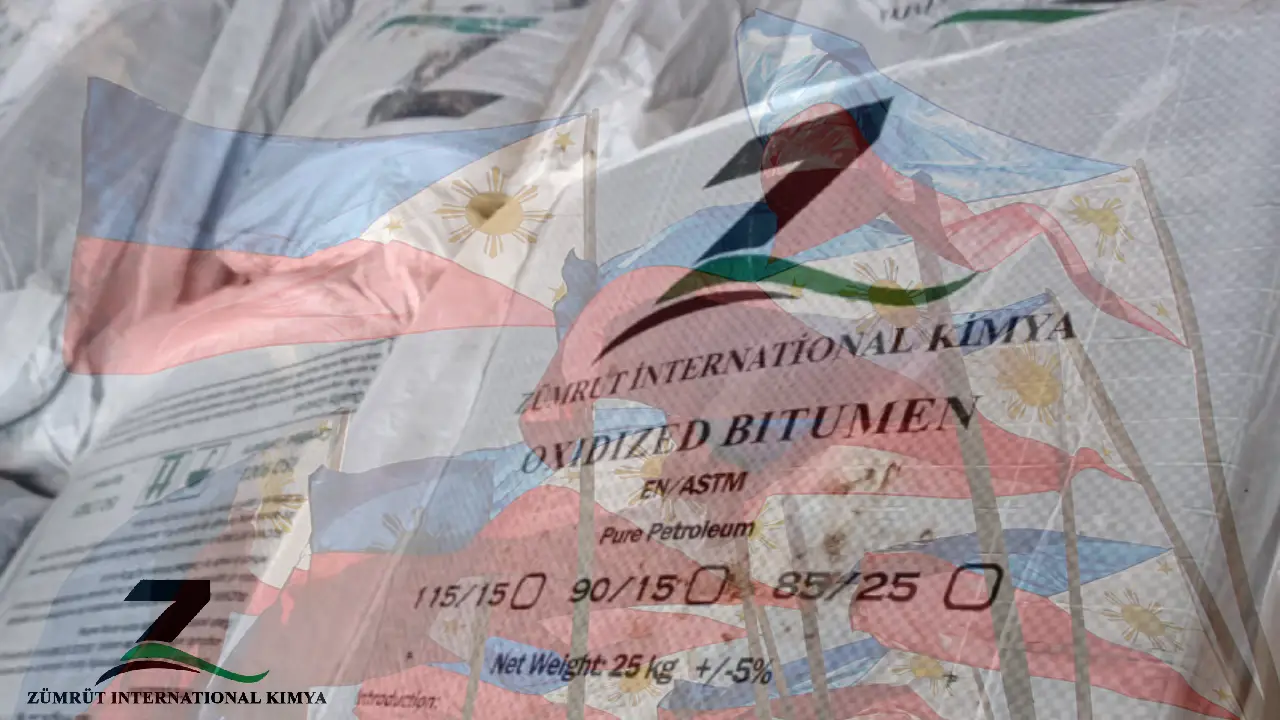
Oxidized Bitumen, also known as blown bitumen or hard bitumen, is a specially processed form of bitumen that is produced by blowing hot air through penetration-grade bitumen. This oxidation process modifies the bitumen’s physical and chemical properties, making it more rigid, less temperature-sensitive, and highly resistant to aging and water.
Key Properties of Oxidized Bitumen
- Higher Softening Point: More resistant to deformation in hot conditions.
- Lower Penetration Rate: Harder consistency compared to regular bitumen.
- Better Water Resistance: Ideal for waterproofing applications.
- Enhanced Durability: More stable under various environmental conditions.
Common Grades:
Oxidized bitumen is classified based on its softening point and penetration value. Common grades include:
Applications of Oxidized Bitumen
- Waterproofing & Roofing: Used in roofing felt, shingles, and coatings.
- Road Construction: Used in paving and road maintenance.
- Pipe Coating & Insulation: Protects pipelines against corrosion.
- Paints & Adhesives: Acts as a binding agent in industrial applications.
The Determining Role of Oxidized Bitumen in the Philippine Market
Introduction
Oxidized bitumen plays a crucial role in the Philippine market, particularly in the construction, infrastructure, and industrial sectors. Due to the country’s tropical climate, heavy rainfall, and increasing urbanization, the demand for durable and weather-resistant materials has surged. Oxidized bitumen, with its superior water resistance, thermal stability, and durability, has become an essential component in various applications.
Growing Demand in the Construction Sector
The construction industry in the Philippines is expanding rapidly, driven by government-led infrastructure projects under the “Build, Build, Build” program. Oxidized bitumen is widely used in:
- Roofing and Waterproofing: The material’s resistance to water penetration makes it ideal for flat roofs, shingles, and membranes.
- Road Construction: Modified bitumen enhances asphalt’s performance, ensuring longevity despite heavy traffic and fluctuating temperatures.
- Bridge Decking and Expansion Joints: Oxidized bitumen is used to seal gaps and prevent water seepage in bridges, preserving their structural integrity.
Industrial Applications
Beyond construction, oxidized bitumen is vital in various industrial applications such as:
- Pipe Coating and Corrosion Protection: Due to its impermeability, it serves as a protective layer for underground pipelines and metal structures.
- Adhesives and Sealants: Used in manufacturing industrial-grade adhesives, providing strong bonding and resistance to environmental factors.
- Electrical Insulation: Used in cable coating, ensuring protection against moisture and electrical failures.
Market Trends and Opportunities
With the Philippine economy growing, several factors contribute to the increasing use of oxidized bitumen:
- Infrastructure Development: Continuous investments in highways, airports, and public transportation systems boost demand for high-performance bitumen products.
- Climate Resilience: The need for weatherproof materials to withstand typhoons and flooding further drives its adoption.
- Growing Industrialization: Expanding industries, including manufacturing and energy, require oxidized bitumen for various specialized applications.
Challenges in the Market
Despite its advantages, the oxidized bitumen market in the Philippines faces certain challenges:
- Import Dependency: The country relies on imported bitumen, making it vulnerable to price fluctuations.
- Environmental Regulations: Stricter environmental policies may impact production and application processes.
- Competition with Alternative Materials: Polymer-modified bitumen and synthetic alternatives pose potential competition.
Major Ports of the Philippines
- Port of Manila (Manila International Container Terminal – MICT)
Location: Metro Manila - Port of Batangas
Location: Batangas City, Luzon - Port of Cebu
Location: Cebu City, Visayas - Port of Davao
Location: Davao City, Mindanao - Port of Subic Bay
Location: Zambales, Luzon - Port of Cagayan de Oro
Location: Cagayan de Oro, Mindanao - Port of Iloilo
Location: Iloilo City, Visayas - Port of General Santos
Location: General Santos City, Mindanao - Port of Zamboanga
Location: Zamboanga City, Mindanao - Port of Clark (Future Development)
Location: Pampanga, Luzon
What grades of oxidized bitumen are most commonly used in the Philippines?
1. Oxidized Bitumen 85/25
Softening Point: 85°C
Penetration: 25 dmm
Uses:
- Roofing and waterproofing applications
- Asphalt-based sealants and adhesives
- Pipe coating for corrosion resistance
2. Oxidized Bitumen 90/40
Softening Point: 90°C
Penetration: 40 dmm
Uses:
- Road construction and crack sealing
- Industrial flooring and insulation
- Expansion joint filling in bridges
3. Oxidized Bitumen 95/25
Softening Point: 95°C
Penetration: 25 dmm
Uses:
- Marine and offshore industries for waterproofing
- Electrical insulation applications
- High-temperature industrial adhesives
4. Oxidized Bitumen 75/25
Softening Point: 75°C
Penetration: 25 dmm
Uses:
- Bituminous coatings for buildings and infrastructure
- Insulation in cable manufacturing
- Production of asphalt-based paints and primers
Technical data sheet of four commonly used grades of oxidized bitumen in the Philippines
| Property | Bitumen 75/25 | Bitumen 85/25 | Bitumen 90/40 | Bitumen 95/25 |
| Softening Point (°C) | 75 ± 5 | 85 ± 5 | 90 ± 5 | 95 ± 5 |
| Penetration @ 25°C (dmm) | 20-30 | 20-30 | 35-45 | 20-30 |
| Specific Gravity @ 25°C | 1.00-1.05 | 1.00-1.05 | 1.00-1.05 | 1.00-1.05 |
| Ductility @ 25°C (cm) | <1 | <1 | 3-Jan | <1 |
| Loss on Heating (% weight) | ≤ 0.5 | ≤ 0.5 | ≤ 0.5 | ≤ 0.5 |
| Solubility in CS₂ (% weight) | ≥ 99.5 | ≥ 99.5 | ≥ 99.5 | ≥ 99.5 |
| Flash Point (°C, min.) | 250 | 250 | 260 | 260 |
| Uses | Waterproofing, Insulation, Paints & Coatings | Roofing, Adhesives, Pipe Coating | Road Construction, Expansion Joints, Industrial Flooring | Marine Waterproofing, Electrical Insulation |
Why These Grades Are Preferred in the Philippines?
- Tropical Climate Adaptability – High softening points prevent bitumen from melting under extreme heat.
- Waterproofing Needs – Given the frequent heavy rains and typhoons, these grades offer superior moisture resistance.
- Industrial & Infrastructure Development – Growing construction and road expansion projects require durable bituminous materials.