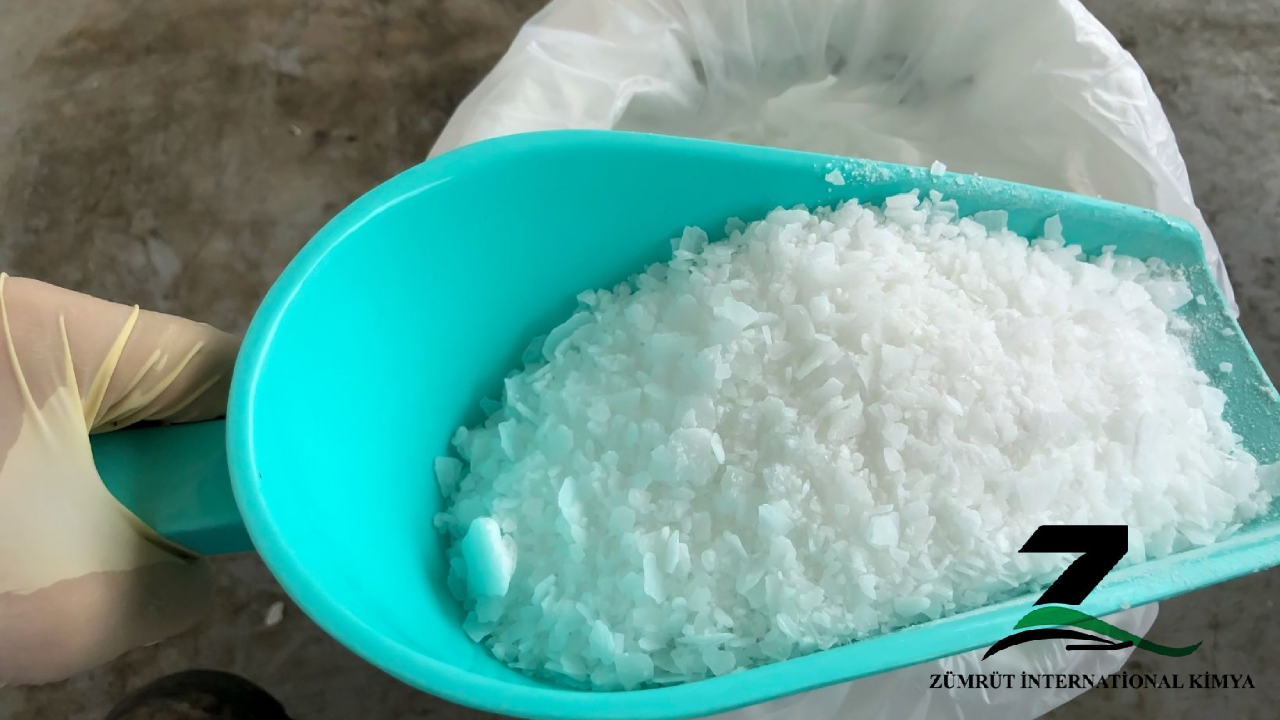
Key Role of Caustic Soda in the Textile Industry
Caustic Soda (Sodium Hydroxide) is a vital chemical in the textile industry due to its strong alkalinity and versatile applications. Here are the primary roles of caustic soda in textile production:
- Fabric Preparation and Cleaning
Caustic soda is used to thoroughly clean raw fibers and fabrics, removing impurities such as oils, waxes, and natural resins. This step is essential to ensure that the fibers are prepared for further processing, as impurities can interfere with dyeing and finishing.
The alkaline environment created by caustic soda also opens up the fiber structure, making it more receptive to dyes and other finishing agents, ensuring even dye distribution and quality. - Mercerization of Cotton
In the mercerization process, caustic soda is used to treat cotton fibers, giving them a silk-like luster, improved strength, and enhanced dye absorption. During mercerization, the fibers swell, becoming rounder and smoother, which enhances their appearance and texture.
This process also makes cotton more durable and resistant to shrinking, creating a higher-quality, premium textile product. - Dyeing Process Enhancement
Caustic soda is used to adjust the pH in the dye bath, which helps certain dyes bond effectively with fibers, especially in reactive dyeing of cotton. This improves the intensity and vibrancy of colors while ensuring color fastness (resistance to fading).
In reactive dyeing, the alkalinity provided by caustic soda activates the dye molecules, enabling them to form strong, covalent bonds with the cellulose fibers, resulting in more vibrant and long-lasting colors. - Textile Finishing and Printing
Caustic soda is involved in fabric finishing processes, helping to stabilize pH levels and facilitate the application of finishes that make fabrics wrinkle-resistant, water-repellent, or flame-retardant.
In textile printing, caustic soda can be used to control the pH of certain printing pastes and dyes, ensuring precise color development and adherence to fabric surfaces. - Wastewater Treatment in Textile Mills
Textile mills generate substantial wastewater containing dyes, chemicals, and other pollutants. Caustic soda is often used to treat this wastewater, helping neutralize acidic by-products, adjust pH levels, and precipitate heavy metals and other contaminants.
This step is crucial for meeting environmental standards and minimizing the impact of textile manufacturing on surrounding ecosystems. - Polyester Fiber Production
In the production of synthetic fibers like polyester, caustic soda is used to chemically modify the surface, making it more suitable for blending with other fibers or for specific applications. This process, called alkaline hydrolysis, reduces the thickness of fibers, giving polyester a softer, more natural feel. - Degumming of Silk
Caustic soda is used in the degumming process of raw silk, where it removes sericin, the gummy substance that coats silk fibers. Once removed, the silk becomes softer, more lustrous, and suitable for dyeing and weaving.

The Impact of Caustic Soda in Prominent Textile Industries
Caustic Soda’s crucial role in the textile industry can be better understood through specific case studies, reflecting its impact on both the production process and the final products.
- Bangladesh’s Cotton Textile Industry: Bangladesh is one of the leading countries in the textile sector, particularly in cotton textiles. The cotton fibers undergo mercerization, a process involving Caustic Soda, which greatly improves the fiber’s dye absorption. The mercerization process has contributed significantly to the superior quality of Bangladeshi cotton textiles, making them highly sought after in international markets.
- Indian Denim Industry: India’s denim industry is another great example of Sodium Hydroxide’s impact. During denim manufacturing, a significant step is desizing, which removes the size applied to yarns during the weaving process. Sodium Hydroxide is effectively used for this purpose, ensuring a clean slate for the subsequent dyeing and finishing processes. This process greatly contributes to the high-quality denim fabrics produced in India.
- Turkish Home Textile Sector: Turkey is renowned for its high-quality home textiles, including towels and bed linens. In the production of these items, the finishing stage often involves the use of Caustic Soda to ensure a soft and smooth feel to the final products. This finishing process is a significant contributor to the success of Turkey’s home textile sector.
- Chinese Silk Industry: The Chinese Silk Industry also benefits from the use of Caustic Soda. During the processing of raw silk, Sodium Hydroxide is used to remove the sericin, a protective gum coating the silk fibres. This process, known as degumming, ensures the silk’s signature softness and luster.
Through these case studies, it’s evident that Caustic Soda, despite its simplicity, plays a vital role in different sectors of the textile industry worldwide, contributing to the quality and diversity of textile products.
General Conclusion:
Caustic Soda in Textile Industry contributes significantly to a multitude of processes, including the treatment of raw materials and the refinement of finished products. This essential chemical agent, Sodium Hydroxide, plays a crucial role in scouring, desizing, mercerizing, and finishing processes. However, as we prioritize sustainability, it’s crucial to balance its indispensable utility with environmental considerations. As the textile industry strides towards a greener future, the use of Caustic Soda will evolve, thanks to the development of innovative, efficient techniques.