
The key role of caustic soda in the pulp and paper industry
In the pulp and paper industry, Caustic Soda (Sodium Hydroxide, NaOH) plays a vital role in the conversion of wood into pulp, which is then processed into paper. Its strong alkaline properties make it indispensable in several stages of the papermaking process, particularly in the kraft and sulfite processes, as well as in the bleaching and refining stages.
- Pulping Process (Kraft Process)
Delignification: Caustic soda is essential for breaking down lignin, the complex organic polymer that binds cellulose fibers in wood. During the kraft process, caustic soda and sodium sulfide are used in a high-pH environment to dissolve lignin, freeing the cellulose fibers that are needed to make paper. This produces a pulp that is stronger and more durable.
Separation of Cellulose Fibers: By breaking down lignin, caustic soda helps separate and free the cellulose fibers, creating a high-quality pulp that is resilient, absorbent, and suitable for various types of paper. - Bleaching
After pulping, the cellulose fibers often retain a dark color from residual lignin. Caustic soda is used in the bleaching process to neutralize acidic compounds and further remove lignin.
In combination with bleaching agents (like chlorine dioxide or hydrogen peroxide), caustic soda enhances the whiteness and purity of the pulp, making it suitable for producing white paper and tissue products. - pH Control and Alkaline Adjustment
Caustic soda is used to maintain the alkaline conditions needed during the papermaking process. Proper pH control prevents fiber degradation and helps optimize the reactions necessary for pulping and bleaching.
Alkaline conditions are also preferable for certain types of paper, such as archival-quality paper, which needs to be acid-free for long-term preservation. - Recovery Process
In the kraft process, spent chemicals are recovered through a process known as the chemical recovery cycle. Caustic soda plays a role here as well, where it is regenerated from sodium carbonate (Na₂CO₃) in a causticizing reaction with lime (calcium hydroxide, Ca(OH)₂). This process converts the sodium carbonate back into sodium hydroxide, which can be reused in the pulping process, making the process more economical and environmentally friendly. - Deinking of Recycled Paper
Caustic soda is also used in the deinking process for recycled paper. It helps remove inks, adhesives, and other contaminants from used paper, enabling the fibers to be reused in new paper products. The alkaline conditions help loosen ink from the paper fibers, improving the purity and quality of recycled pulp. - Production of Specialty Papers
Caustic soda is involved in creating specialty paper grades by modifying the pulp’s properties, allowing for the production of stronger, more absorbent, or chemically resistant paper for specific industrial applications.
Caustic Soda in Paper Recycling
Paper recycling begins with classifying and grading waste papers according to their recyclable cellulose content. The next step, called de-inking, involves smoothing and swelling the input waste paper with Caustic Soda, which separates the ink from the papers.
The final stage of paper recycling is similar to the final stage of paper production, when the paper pulp is fed into the paper machine, and the final product is produced.
As discussed in this article, caustic soda is a critical processing material used in almost every stage of the pulp and paper industry.
The Chemistry Behind Sodium Hydroxide in pulp and paper Processing
Diving deep into the realm of pulp and paper manufacturing, one cannot overlook the fundamental chemical reactions that occur, primarily catalyzed by the potent Sodium Hydroxide or Caustic Soda. This alkaline chemical is a cornerstone in this industry, facilitating various processes that transform raw fibrous materials into high-quality paper products. Here’s a closer look at the chemical mechanisms and roles played by Caustic Soda in pulp processing.
Basic Nature of Caustic Soda: Sodium Hydroxide (NaOH) is a strong base. When dissolved in water, it releases hydroxide ions (OH⁻), increasing the solution’s pH, making it highly alkaline. This basic nature is crucial for its function in pulp processing.
Delignification – Breaking the Bonds: Wood is primarily composed of cellulose, hemicellulose, and lignin. Lignin acts as a binding agent, providing rigidity to the plant. For pulp production, it’s essential to remove or reduce this lignin content. When wood chips are treated with a solution of Caustic Soda, the alkaline environment facilitates the breakage of ether bonds in lignin, rendering it water-soluble and easier to separate from the cellulose fibers.
Alkaline Cooking Process: During the kraft process, one of the dominant pulp and paper-making processes, Sodium Hydroxide is used alongside sodium sulfide. This combination, known as white liquor, is instrumental in “cooking” the wood chips under pressure. The Caustic Soda in this mixture swells the cellulose fibers, making them accessible for chemical reactions and aiding in the removal of lignin.
Mercerization: Caustic Soda plays a pivotal role in the mercerization process, which involves treating cellulose fibers with an alkaline solution to improve their properties. This results in increased luster, strength, and dye affinity of the fibers, enhancing the overall quality of the end product.
Brownstock Washing: After the kraft cooking process, the pulp, known as brownstock, contains both dissolved organic materials and residual cooking chemicals, including excess Sodium Hydroxide. Brownstock washing helps remove these unwanted residues, ensuring a cleaner pulp ready for further processing.
Regenerating Chemicals: The beauty of using Caustic Soda in pulp processing lies in its recyclability. After delignification, spent chemicals can be recovered and regenerated. Sodium Hydroxide plays an integral role in the recovery cycle, ensuring a sustainable and economically efficient pulp production process.
Safety Protocols: Given its caustic nature, handling Sodium Hydroxide requires adherence to safety standards. Caustic Soda safety protocols in pulp and paper mills are stringent, ensuring minimal risks and maximal efficiency.
Environmental Impact: While Sodium Hydroxide facilitates eco-friendlier paper production through closed-loop systems, it’s essential to manage its usage efficiently. Proper disposal and recovery methods prevent potential environmental harm and promote sustainable practices in the industry.
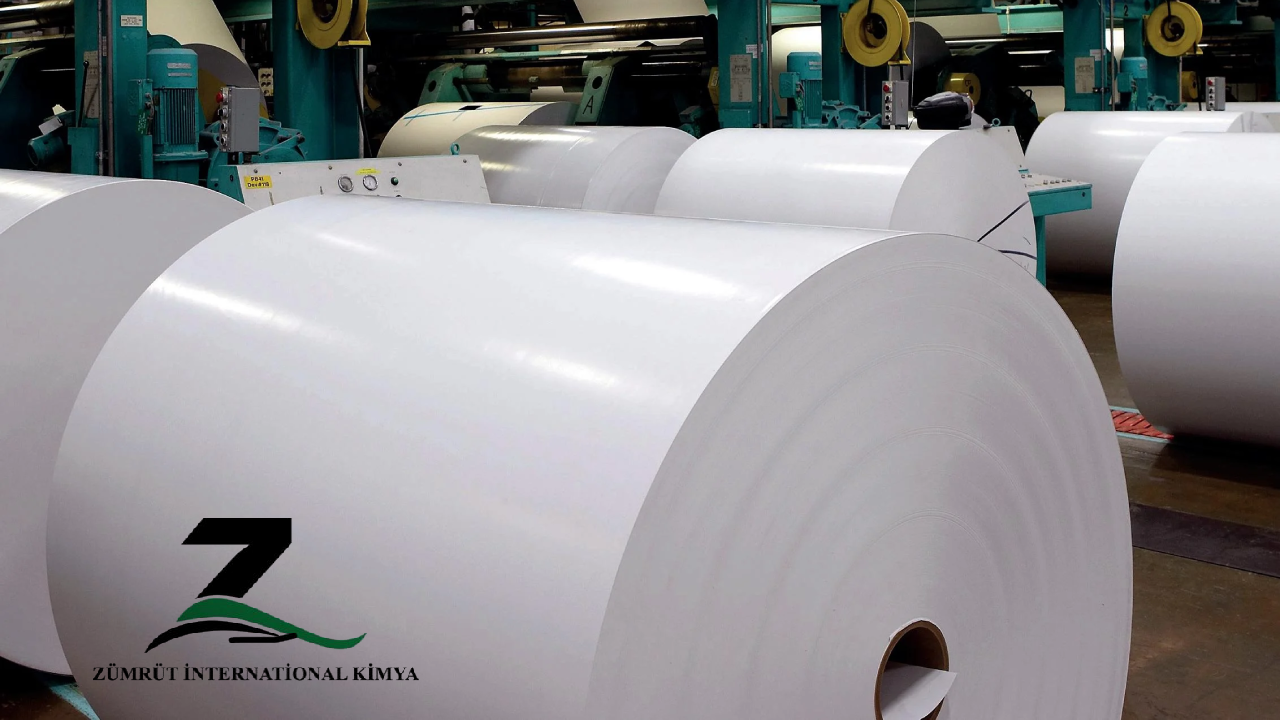
The Demand for Caustic Soda in the pulp and paper Sector
The demand for Caustic Soda (Sodium Hydroxide) in the pulp and paper sector is experiencing steady growth, driven by key industry trends and shifts towards sustainable practices. Here’s an in-depth look at the factors fueling this demand:
- Rising Demand for Paper Products
The global increase in demand for paper, particularly packaging paper, is a major driver for caustic soda. The growth of e-commerce, consumer packaging, and the shift towards sustainable packaging materials have intensified the need for high-quality pulp, in which caustic soda is a critical component.
Demand for tissue paper, specialty papers, and hygiene-related products has also risen, especially post-pandemic, leading to increased caustic soda consumption. - Essential Role in Pulping (Kraft Process)
In the kraft pulping process, caustic soda is used to break down lignin in wood chips, separating cellulose fibers and producing strong pulp. This process is the most common method of pulping, used globally to produce various types of paper.
As the demand for high-strength and durable paper increases, the need for kraft pulp rises, directly impacting the demand for caustic soda. - Growth in Recycled Paper Production
Sustainability has driven the pulp and paper sector to increase its reliance on recycled paper, which requires caustic soda in deinking and repulping processes. Caustic soda helps remove ink, adhesives, and contaminants from used paper, yielding a clean pulp ready for reuse.
As the industry strives for higher recycled content in paper products, caustic soda demand in recycling operations is set to grow. - Environmental and Waste Treatment Compliance
Caustic soda plays a critical role in wastewater treatment within paper mills. It neutralizes acidic effluents and stabilizes pH, enabling facilities to comply with stringent environmental regulations.
With more focus on environmentally responsible operations, the need for caustic soda in effluent management and pH control is growing, especially as regulations become stricter worldwide. - 5. Increase in Specialty Paper Production
Specialty papers, such as those used in industrial applications, food-grade packaging, and filtration, often require enhanced strength and purity in their cellulose fibers. The production of these papers involves a higher degree of chemical treatment, with caustic soda used to achieve the necessary fiber characteristics.
As demand for specialty papers grows, caustic soda usage in the pulping and refining stages also increases, contributing to overall sector demand. - Market Demand in Emerging Economies
Emerging economies in Asia, Africa, and Latin America are seeing rising paper demand due to growing populations, increased education rates, and expanding economies. This increases caustic soda consumption as mills in these regions often rely on traditional pulping and bleaching methods requiring caustic soda.
Many companies are also expanding their facilities or building new ones in these regions, further driving caustic soda demand. - Increased Focus on Circular Economy and Closed-Loop Systems
The pulp and paper industry is increasingly adopting closed-loop processes that emphasize recycling chemicals and minimizing waste. While caustic soda can be regenerated from spent liquors in chemical recovery processes, a portion is always lost and must be replenished.
These closed-loop systems rely on a stable supply of caustic soda to maintain their chemical balance, ensuring the sustainability of operations. - Technological Advances in Pulping and Bleaching
Advanced pulping technologies that reduce environmental impact while increasing efficiency still require caustic soda as a key input. New techniques improve lignin breakdown and fiber separation, which correlate with higher caustic soda consumption in optimized processes.
Technologies that make recycled fiber processing more effective often incorporate caustic soda for better results, keeping demand consistent.
Why Sodium Hydroxide Remains Integral to the Pulp and Paper Industry
The journey of paper production, from the raw tree fibers to the crisp pages we interact with daily, is a complex ballet of chemical reactions and processes. At the heart of this dance lies Caustic Soda, an agent whose role cannot be understated. Here’s why Sodium Hydroxide remains a cornerstone in this ever-evolving industry.
From the very outset, the transformative power of Caustic Soda in the pulping process has been evident. Its ability to efficiently break down lignin and extract pure cellulose fibers ensures that the paper’s foundational material is of the highest quality. This initial phase is crucial as it sets the stage for all subsequent steps in paper manufacturing.
Further, as the world pivots towards more sustainable and eco-friendly practices, the role of Caustic Soda in facilitating cleaner bleaching processes becomes increasingly relevant. Gone are the days when harmful chemicals like chlorine dominated the bleaching sequences. Instead, the industry is seeing a shift towards processes like Elemental Chlorine-Free (ECF) and Totally Chlorine-Free (TCF) bleaching, where Caustic Soda plays a pivotal role in conjunction with other agents, ensuring paper that’s not just bright but also environmentally responsible.
Moreover, the paper sector’s demands for Sodium Hydroxide aren’t restricted to just production. The recycling wave, which the world is ardently riding, sees Caustic Soda at the forefront once more. Its utility in deinking recycled paper and ensuring the reused fibers retain their inherent quality showcases its multifaceted applications.
Regional Variations in Caustic Soda Consumption
Similar to other commodities, caustic soda consumption varies across different regions. As expected, countries with higher paper production rates also have higher caustic soda consumption rates. China and the US are the two largest consumers of caustic soda in the pulp and paper industry. However, Brazil, Canada, and Indonesia also have significant consumption due to their substantial production of market pulp and integrated pulp. These top five countries account for 65% of the caustic soda consumed in the industry.
When reviewing consumption history in different regions, we observe a significant increase in APAC (Asia-Pacific) and Latin America in recent years. In APAC, most of the growth is attributed to integrated pulp, while in Latin America, it is driven by market pulp. Looking ahead, we anticipate a continuous increase in consumption in these regions.