Description of Sodium Hydroxide in Soap Making
Caustic Soda (Sodium Hydroxide) in Soap Making
Caustic soda, also known as sodium hydroxide (NaOH), is a crucial ingredient in traditional soap making, especially in the cold process and hot process methods. It acts as the alkaline component that reacts with fats or oils through a chemical process called saponification. This reaction transforms the oils into soap, creating a solid, cleansing bar.
Key points about sodium hydroxide in soap making:
- Saponification Process: When caustic soda mixes with oils or fats, it breaks down their triglycerides, releasing fatty acids and glycerol. The fatty acids then bond with the sodium from caustic soda, producing soap.
- Safety Precautions: Sodium hydroxide is highly corrosive and should be handled carefully. It requires wearing protective gear, such as gloves and goggles, to avoid skin or eye irritation during soap making.
- Exact Measurement: It’s crucial to use the correct amount of caustic soda to ensure that all the oils are fully saponified. Too much caustic soda can result in a harsh soap, while too little can leave unsaponified oils, making the soap greasy.
- Soap Texture & Quality: Caustic soda determines the final texture and hardness of the soap. A well-balanced recipe results in a firm, long-lasting bar with good lather and cleansing properties.
How to use Sodium Hydroxide in the soap production process
Caustic soda (sodium hydroxide) is as the key ingredient that triggers the saponification reaction, where fats or oils are transformed into soap. Here’s how caustic soda is used during the soap-making process:
- Preparation:
Measure a specific amount of caustic soda according to the recipe, ensuring it is precise to avoid a harsh soap.
The caustic soda is typically dissolved in water or a liquid (e.g., milk, herbal infusions) to form a lye solution. The water helps dilute the strong alkalinity of sodium hydroxide for safer handling. - Lye Solution Creation:
Slowly add caustic soda to the water, never the other way around, to prevent a dangerous reaction. Stir until the caustic soda dissolves completely.
The mixture will heat up due to the exothermic reaction and must be allowed to cool down to the proper temperature before mixing with oils. - Mixing with Oils/Fats:
Once the lye solution has cooled and the oils have been melted or brought to the desired temperature, the two are combined.
The lye solution is mixed into the oils while stirring or using a stick blender. The mixture begins to emulsify, leading to the saponification process. - Saponification:
As the caustic soda reacts with the oils, it breaks down the triglycerides (fat molecules), releasing fatty acids that bond with the sodium ions in caustic soda. This creates soap and glycerol (glycerin).
The process continues as the soap thickens, known as reaching “trace,” where the soap mixture can hold its shape when drizzled back into the pot. - Curing:
After pouring the soap into molds, it must cure for several weeks. During this time, any remaining caustic soda will continue reacting with the oils, fully neutralizing and ensuring the soap is safe for skin use. - Safety:
Caustic soda is highly alkaline and requires careful handling. Soap makers wear protective gear, including gloves, eye protection, and long sleeves, to avoid burns or injury from the caustic soda.
Is it cost-effective to use Sodium Hydroxide in the preparation of soap and cosmetics?
Yes, using sodium hydroxide in the preparation of soap can be cost-effective, particularly in traditional soap-making methods. Here’s why:
- Low Cost of Raw Materials:
sodium hydroxide is relatively inexpensive compared to many other chemical ingredients in cosmetics. It’s widely available, and a small quantity is needed to initiate the saponification process.
The other primary ingredients in soap (fats and oils) can also be cost-effective, especially if bulk-purchased. Common oils like coconut oil, olive oil, or palm oil can be affordable, making the overall cost of soap production relatively low. - High Yield:
A small amount of caustic soda goes a long way in soap making. You only need a precise quantity for saponification, meaning a little caustic soda can produce a large batch of soap.
Soap-making at scale can be highly efficient, producing many bars from a single batch. - Control Over Formulation:
Making soap with caustic soda allows for flexibility and customization. You can control the quality and ingredients, using inexpensive oils for basic soaps or luxury oils for premium products.
The ability to create a product tailored to customer needs (e.g., fragrance-free, hypoallergenic, or organic soaps) can add value without significantly increasing the cost of production. - Natural Preservation:
Soap made using caustic soda has a long shelf life and doesn’t require expensive preservatives. The soap’s alkaline nature, formed by the reaction with caustic soda, naturally resists bacteria and mold. - Simplicity of the Process:
The traditional cold process or hot process soap making doesn’t require sophisticated machinery or equipment, keeping overhead and production costs low. This simplicity further contributes to the cost-effectiveness of using sodium hydroxide in soap making. - Comparison to Alternative Methods:
Pre-made Soap Bases: While using melt-and-pour soap bases eliminates the need for caustic soda handling, these bases can be more expensive, reducing profitability.
Synthetic Surfactants: For cosmetics and liquid cleansers, synthetic surfactants or detergents may be more costly compared to caustic soda-based soap, especially if the ingredients are derived from natural sources. - Considerations for Cosmetics:
In cosmetics (outside traditional soap), caustic soda isn’t typically used as often. Products like creams, lotions, or liquid body washes use other ingredients, so cost-effectiveness will depend on those formulations.
However, if caustic soda is used for pH adjustment or in saponification for specific products, its low cost can still make it a beneficial option.
The advantage of Sodium Hydroxide in soap making
- Saponification:
Essential Reaction: Caustic soda is the primary alkali used in the saponification process, which is the chemical reaction that transforms oils and fats into soap. Without it, traditional soap making wouldn’t be possible. - Versatility:
Compatibility with Various Oils: Caustic soda can be used with a wide range of oils and fats, including vegetable oils (like olive, coconut, and palm oil) and animal fats (like tallow and lard). This versatility allows soap makers to create a diverse array of products. - Customizable Properties:
Control Over Soap Characteristics: By adjusting the ratio of caustic soda to oils, soap makers can influence the final product’s hardness, lather, and moisturizing properties. This customization allows for the creation of soaps that meet specific consumer needs. - Cost-Effectiveness:
Inexpensive Raw Material: Caustic soda is relatively low-cost compared to other ingredients in soap making, making it an economical choice for both small-scale and large-scale soap production. - Effective Cleaning Agent:
Strong Alkalinity: Caustic soda is a powerful alkaline agent, which enhances the cleaning properties of soap. It effectively breaks down fats, oils, and grease, making the soap more effective for cleansing. - Long Shelf Life:
Stability: When properly stored, caustic soda has a long shelf life and remains effective as a soap-making ingredient, allowing manufacturers to stock it without worry about quick degradation. - Natural Preservation:
Alkaline Nature: The high pH of soap produced with caustic soda creates an environment that is less hospitable to bacteria and mold, thus acting as a natural preservative. - Ease of Use:
Availability: Caustic soda is widely available and easy to source, making it a convenient choice for soap makers. - Ability to Create Different Soap Types:
Solid and Liquid Soaps: Caustic soda is used in both solid soap (bar soap) and liquid soap formulations, allowing soap makers to create a variety of products from the same base ingredient. - Professional Quality:
Consistency and Performance: The use of Sodium Hydroxide in soap making results in a high-quality product with consistent properties, essential for commercial soap makers aiming for reliability and effectiveness.
Sodium Hydroxide in soap Packing
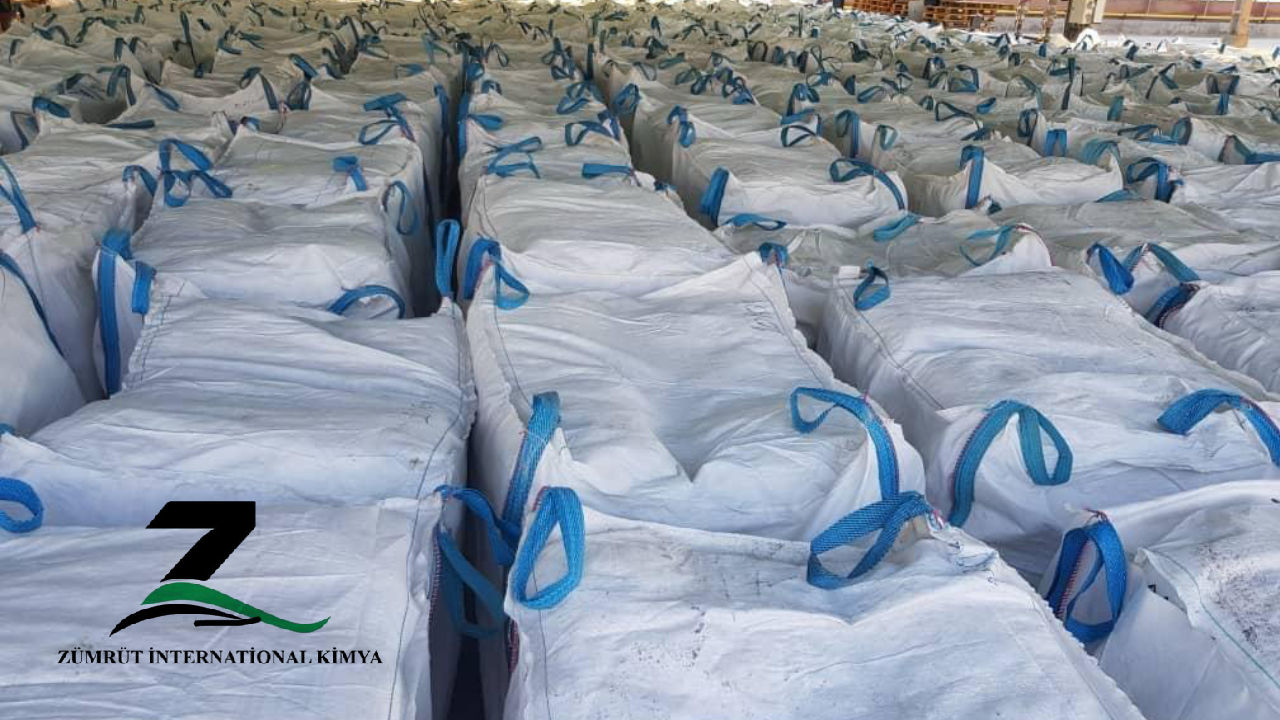
since caustic soda is chemical product better to pack in 25 kgs 2 layer laminate PP bag and don’t allow any water to moisture enter the bag, also for transportation and reducing labor charges we can put bags in 1250 Kg jumbo bag or 1250 Kg pallets are possible too. Food grade caustic soda flake ship in safe metal container which keep away soda from moisture and humid condition, Hydroxide is hydrophilic which means that it not only attracts moisture and water but it actively absorbs any moisture or water to which it is exposed.
Protection and storage
- Safety Precautions When Handling Caustic Soda
- Storage Guidelines for Caustic Soda
- Emergency Measures
- Shelf Life and Quality Maintenance