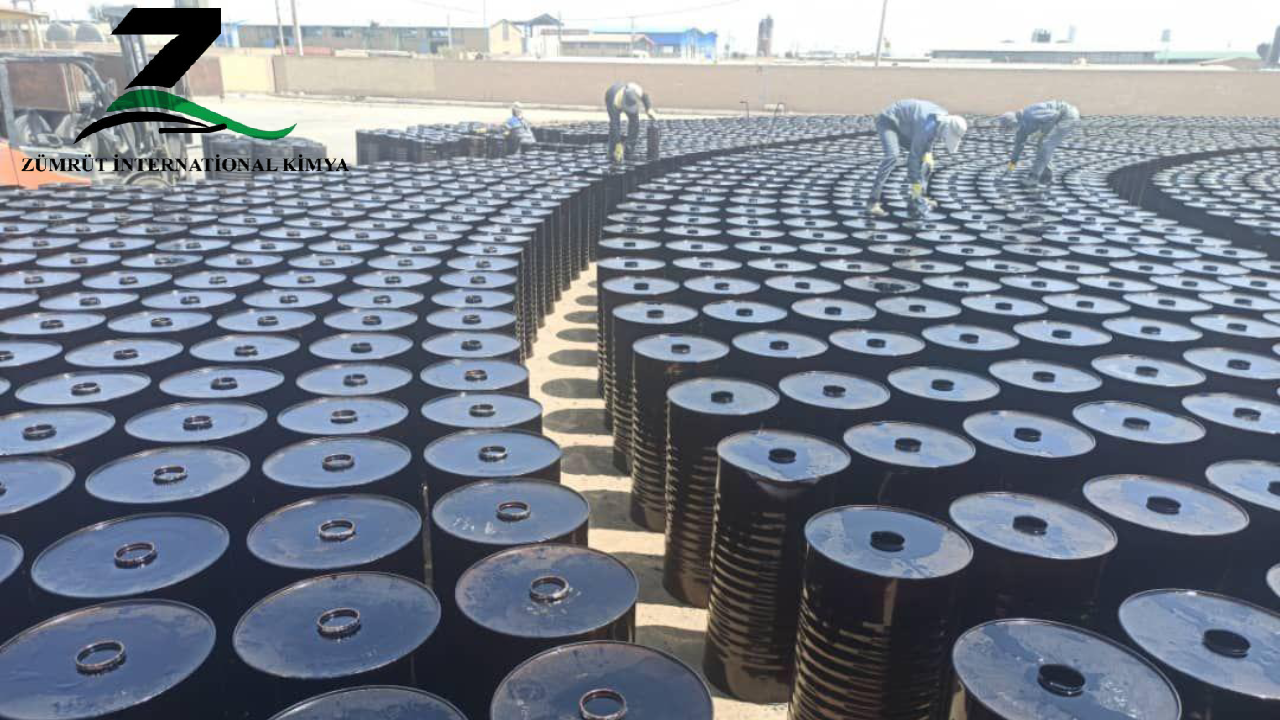
Bitumen Penetration grade 200/300 Description
Bitumen Penetration Grade 200/300 is a standard penetration grade Bitumen usually used as a Paving Grade Bitumen suitable for road construction and for the production of asphalt pavements with superior properties. This grade of Bitumen is mainly used in the manufacture of hot mix asphalt for bases and wearing courses. Penetration Grade Bitumen supplied by ZUMRUT Co is petroleum grade bitumen, manufactured from fractional / vacuum distillation of crude oil. The Bitumen supplied by ZUMRUT Co is produced from the vacuum residue (short residue) feedstock. Penetration Grade bitumens are specified by the penetration and softening point test. The designation is by penetration range only. The penetration grade bitumen have a thermoplastic property which causes the material to soften at high temperatures and to harden at lower temperatures. This unique temperature/ viscosity relationship is important when determining the performance parameters such as the adhesion, rheology, durability and application temperatures of bitumen.
Bitumen Penetration grade 200/300 Applications
Bitumen penetration grade 200/300 is a very soft bitumen with a high penetration value, indicating it has a lower viscosity and higher flexibility compared to harder grades. Here are its key applications:
- Cold Climates : Due to its soft nature, bitumen 200/300 is particularly suitable for use in cold climates where higher flexibility is needed to prevent cracking under low temperatures.
- Surface Treatments : It is often used in surface treatments such as surface dressing or chip sealing. These methods involve spraying bitumen on a road surface followed by the application of aggregate, creating a protective and durable layer.
- Priming : This grade is ideal for priming purposes, where a thin layer of bitumen is applied to prepare a surface for further construction. Its low viscosity allows it to penetrate and bind loose particles on a road base.
- Dust Control : Bitumen 200/300 is used for dust control on unpaved roads. Spraying this bitumen on dirt roads helps bind fine particles, reducing dust and improving driving conditions.
- Patching and Repairs : It is suitable for patching and repairing potholes and cracks in flexible pavements, especially in colder regions where more flexible materials are required.
- Temporary Roads : The soft and flexible nature of this bitumen makes it ideal for constructing temporary roads and access roads, where a quick and easy application is needed.
- Industrial Applications : It is used in various industrial applications where soft bitumen is required, such as in the manufacturing of roofing felt and waterproofing membranes.
- Waterproofing : Its high flexibility and low viscosity make it suitable for use in waterproofing applications, including basement waterproofing and damp proof courses.
- Seal Coating : It is often used as a seal coat for protecting asphalt pavements from oxidation and water ingress, prolonging the lifespan of the pavement.
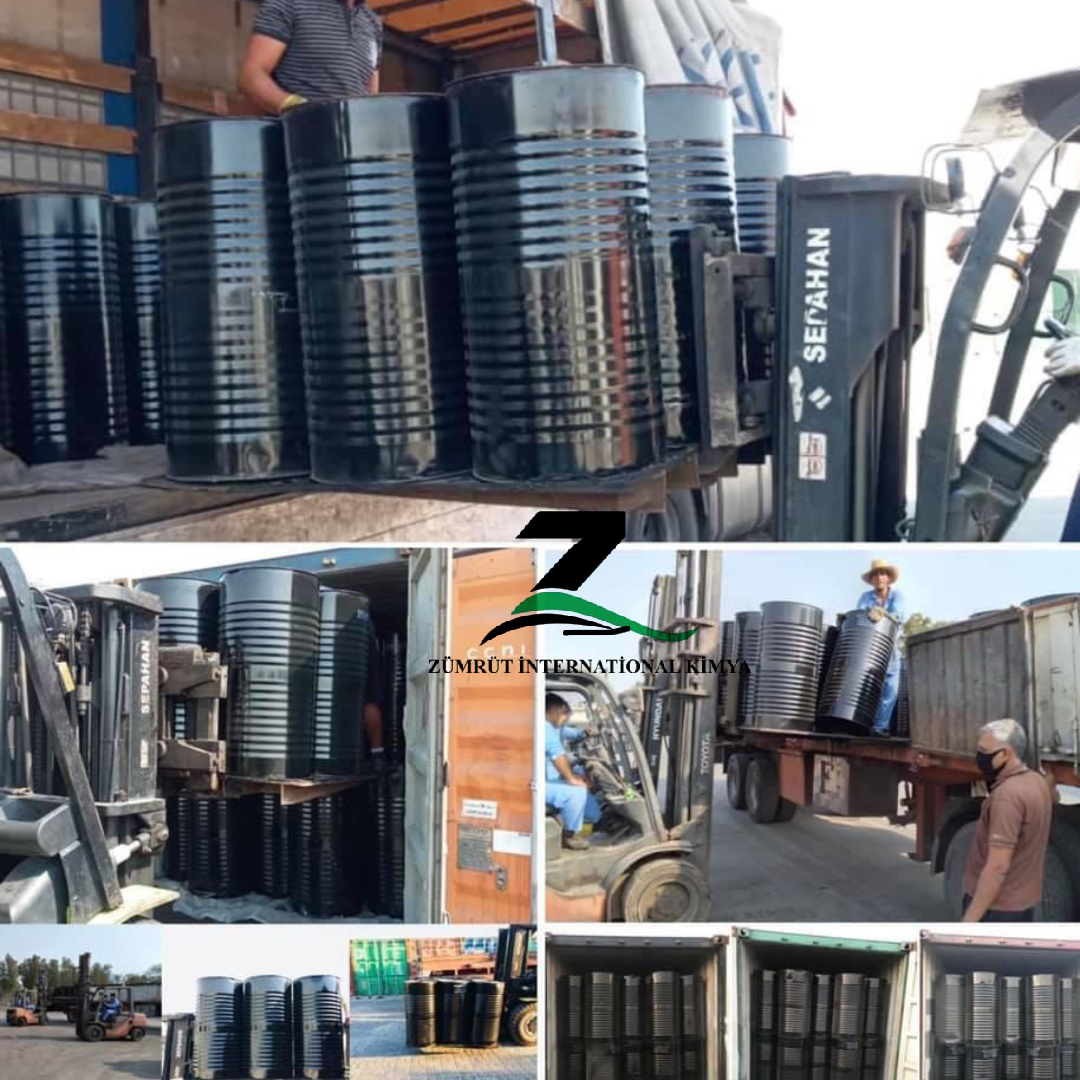
Guaranty and safety of bitumen 200/300
Ensuring the guaranty and safety of bitumen penetration grade 200/300 involves adherence to industry standards, proper handling, storage practices, and safety measures. Here are the key points:
Guaranty:
- Compliance with Standards : Ensure that the bitumen conforms to relevant national and international standards such as ASTM D5 for penetration testing and other applicable specifications. This guarantees the quality and consistency of the product.
- Supplier Certification : Purchase bitumen from reputable suppliers who provide certification documents. These documents should include test results for penetration, softening point, ductility, and other relevant properties to verify compliance with standards.
- Quality Control : Implement regular batch testing to confirm that each batch of bitumen meets the specified quality criteria. This helps maintain consistency and reliability in its performance.
Safety:
- Handling and Storage :
– Temperature Control : Store bitumen at recommended temperatures (typically between 140°C and 160°C) to prevent degradation. Avoid overheating, which can alter its properties and make it more hazardous.
– Proper Ventilation : Ensure storage areas are well-ventilated to prevent the buildup of potentially harmful fumes.
– Fire Safety : Store bitumen away from open flames, sparks, and other sources of ignition. Use appropriate fire suppression systems in storage areas. - Personal Protective Equipment (PPE) :
– Heat-resistant Gloves : To protect hands from burns during handling.
– Long-sleeved Clothing : To protect the skin from splashes.
– Eye Protection : Goggles or face shields to guard against splashes.
– Respiratory Protection : Use respirators in areas with poor ventilation to prevent inhalation of fumes. - Spill and Leak Management :
– Containment Measures : Implement spill containment measures such as bunding around storage tanks and having spill kits readily available.
– Training : Train workers in spill response procedures to manage leaks or spills quickly and safely. - Transport :
– Insulated Containers : Transport bitumen in insulated and sealed containers designed for high-temperature materials.
– Regulatory Compliance : Follow regulations for the transport of hazardous materials, including proper labeling and documentation. - Health Precautions :
– Minimize Fume Exposure : Use extraction systems and ensure good ventilation during application to minimize exposure to bitumen fumes.
– Health Monitoring : Monitor the health of workers for any signs of long-term exposure effects and provide medical check-ups as necessary.
– Training and Awareness : Educate workers about the potential health risks of prolonged exposure to bitumen fumes and the importance of following safety protocols.
Bitumen Penetration grade 200/300 Specifications
| Bitumen 200/300 | Test method | Unit | Specification |
| Specific gravity @ 25°C | ASTM D70 | Kg/m3 | 990-1040 |
| Penetration @ 25°C | ASTM D5 | mm/10 | 200/300 |
| Softening point °C | ASTM D36 | °C | 32 min |
| Ductility @25 °C | ASTM D113 | cm | 100 min |
| Loss on heating(wt) % | ASTM D6 | wt % | 1 max |
| Drop in penetration after heating % | ASTM D5-D6 | % | 37 min |
| Flashpoint °C | ASTM D92 | °C | 177 min |
| Solubility in Trichloroethylene | ASTM D2042 | wt % | 99 min |
| Spot test | — | Negative |