Cutback Bitumen RC-250 Definition
Cutback Bitumen RC-250 is an asphalt cement that has a solvent or distillate such as gasoline, diesel fuel, kerosene, or naphtha added to make the asphalt liquid at ambient temperatures and improve its ability to coat aggregates. Two letters followed by a numerical digit designate or name a cutback asphalt.
Cutback asphalt can contain between 12 and 40 percent distillate. The high demand for the distillates to be used in energy applications and ever-increasing air quality regulations have caused a steady decline in the use of cutback asphalt.
When gasoline or naphtha is used to flux asphalt cement, the final product is called “rapid curing” (RC) cutback asphalt. Specifications permit up to 45 percent distillate in manufacturing an RC-250 cutback asphalt.
Our Cutback Bitumen RC-250 complies with cutback petroleum asphalts of the rapid-curing type for use in the construction and treatment of pavements as per ASTM D2028-97 reapproved in 2004. Cutback Grade Bitumen is normally used in spraying and in some mixing applications. Cutback Bitumen is penetration grade bitumen blended with a solvent such as kerosene, white spirit, gasoline, and naphtha, controlling the curing time. Cut back petroleum asphalts of the rapid curing type supplied by ZUMRUT Company are petroleum grade bitumen manufactured from the fractional / vacuum distillation of crude oil blended with a solvent. Bitumen supplied by ZUMRUT Company is produced from the vacuum residue (short residue) feedstock. Penetration Grade bitumens are specified by the penetration and softening point test. Designation is by penetration range only. The penetration grade bitumen’s have a thermoplastic property which causes the material to soften at high temperatures and to harden at lower temperatures. This unique temperature/ viscosity relationship is important when determining the performance parameters such as the adhesion, rheology, durability, and application temperatures of bitumen. The cutback bitumen (Asphalts) supplied by ZUMRUT are blended from petroleum grade bitumen as stated herein.
Cutback Bitumen RC-250 Applications
Cutback Bitumen RC-250 is commonly used in road construction and maintenance for various applications:
- Prime Coating: RC-250 can be used as a prime coat to prepare the surface before applying asphalt layers, promoting adhesion between the surface and subsequent asphalt layers.
- Tack Coat: It serves as a tack coat to ensure proper bonding between pavement layers, preventing slippage and increasing the structural integrity of the road.
- Surface Dressing: RC-250 is used in surface dressing applications to waterproof and protect the road surface from water infiltration and weathering, extending the lifespan of the pavement.
- Patching and Repair: It can be used for patching and repair work on roads, providing a durable and reliable solution for filling potholes and cracks.
- Dust Control: RC-250 can be applied to unpaved roads to control dust emissions, improving road safety and reducing environmental impacts.
Packing of Bitumen RC250
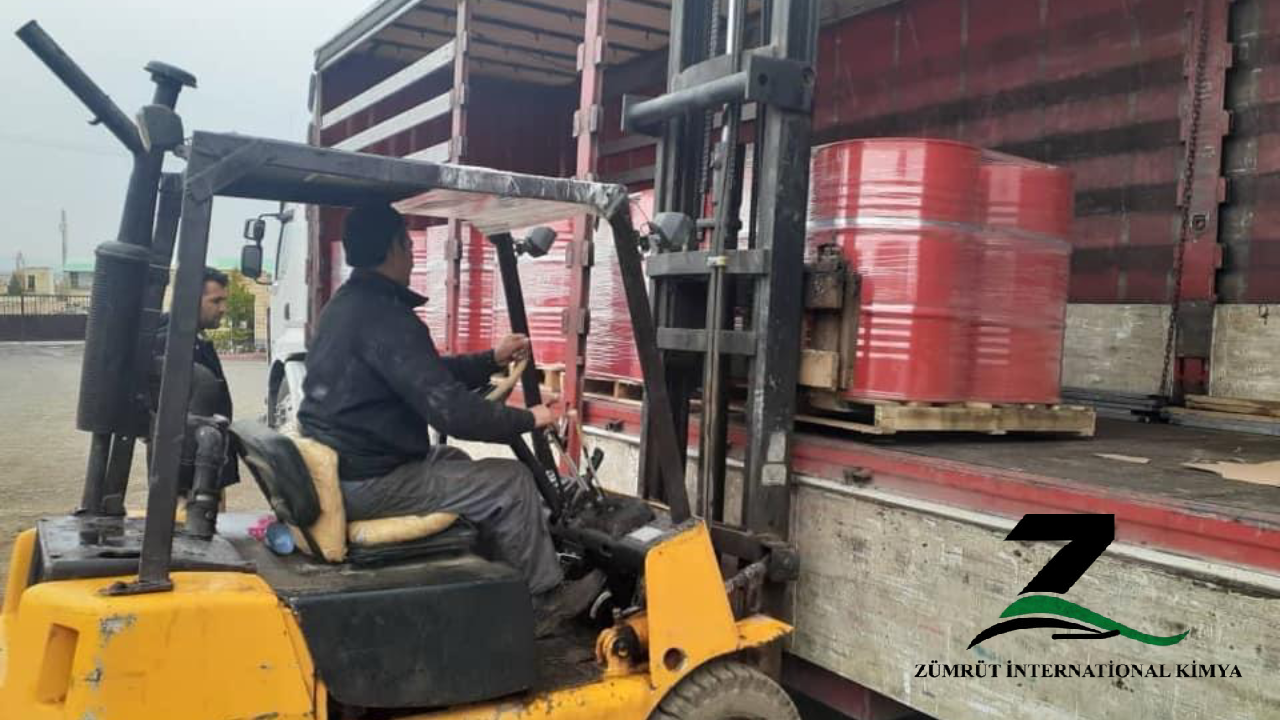
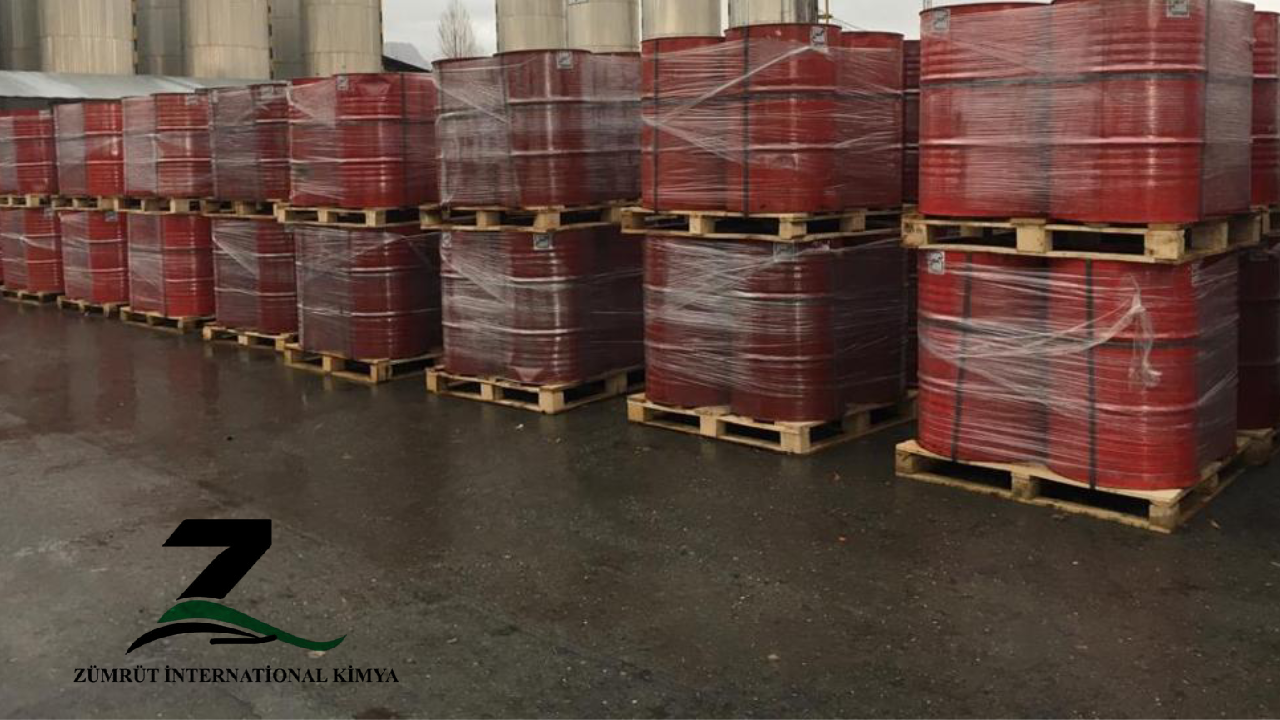
Packing of cutback bitumen RC250 is in new thick steel drum on the pallet to prevent any leak inside of the container, IBC Tank, and also bulk in bitutainer.
Guaranty and Safety of Bitumen RC-250
The guarantee and safety of Bitumen RC-250 depend on several factors:
- Quality Assurance: Procuring Bitumen RC-250 from reputable suppliers who adhere to industry standards and regulations ensures product quality and consistency.
- Compliance: Ensuring that the Bitumen RC-250 meets relevant specifications and standards set by regulatory authorities guarantees its suitability for intended applications.
- Proper Handling: Following recommended handling procedures and safety precautions during storage, transportation, and application minimizes the risk of accidents and ensures worker safety.
- Environmental Considerations: Adhering to environmental regulations and best practices for the disposal of Bitumen RC-250 and its by-products reduces environmental impact and promotes sustainability.
- Performance Testing: Conducting performance tests, such as viscosity, penetration, and softening point tests, verifies the quality and suitability of Bitumen RC-250 for specific applications, providing assurance of its performance.
Specification of Cutback Asphalt RC250
| Properties | Min | Max | Test Method |
| Kinematic viscosity at 60°C [140°F], mm2/s | 250 | 500 | ASTM D2170 |
| Flash Point (Tag open-cup), °C [°F] | 27+[80+] | – | ASTM D3143 |
|
Distillation test: |
|||
|
Distillate, volume percent of total distillate to 360°C [680°F]: |
|||
| to 190°C [374°F] | – | – | ASTM D402 |
| To 225°C [437°F] | 35 | – | ASTM D402 |
| To 260°C [500°F] | 60 | – | ASTM D402 |
| To 316°C [600°F] | 80 | – | ASTM D402 |
| Residue from distillation to 360°C [680°F], percent volume by difference | 65 | – | ASTM D402 |
|
Tests on residue from distillation: |
|||
| Penetration at 25°C | 80 | 120 | ASTM D5 |
| Ductility at 25°C [77°F], cm | 100 | – | ASTM D113 |
| Solubility in trichloroethylene, % | 99 | – | ASTM D2042 |
| Water, % | – | 0.2 | ASTM D95 |