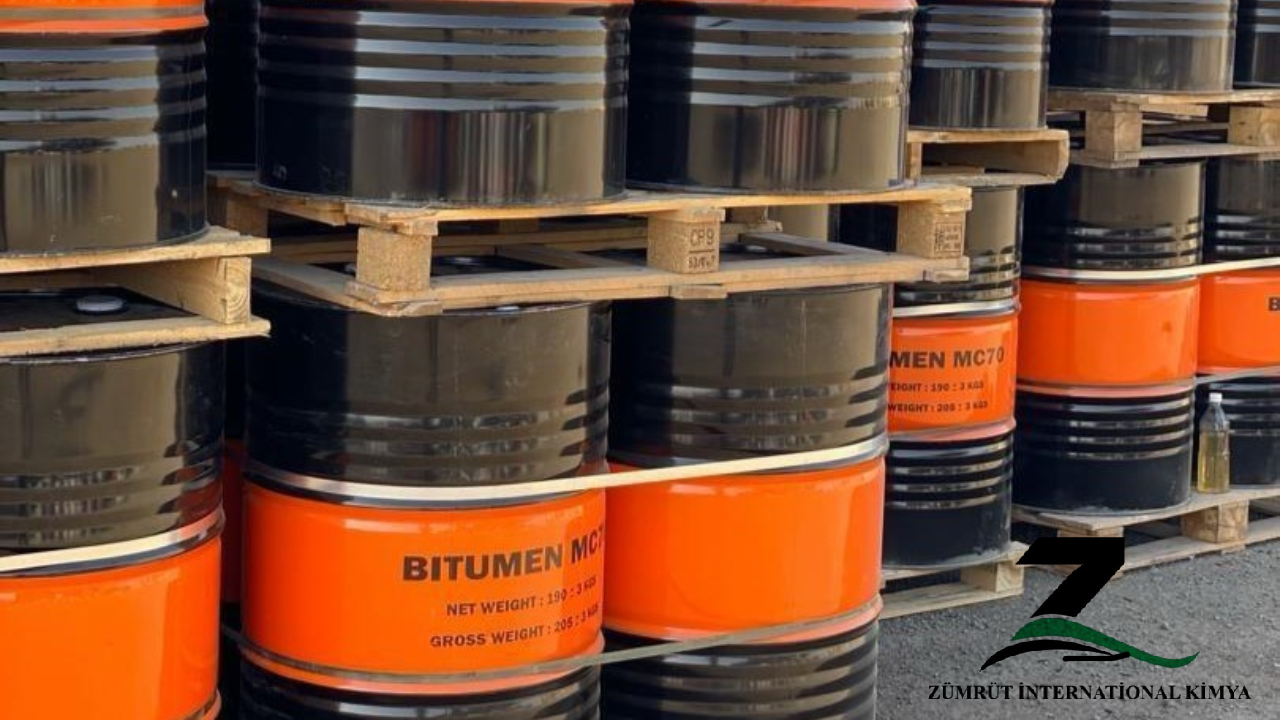
Medium Curing Cutback Bitumen Definition
Medium curing cutback bitumen is a type of bitumen that has been mixed with a solvent to reduce its viscosity, allowing for easier handling and application. This blend cures at a moderate rate after application.
A famous sort of it known as MC250 or liquid bitumen in asphalt section including pavement (cohesive between 2 Tack coat asphaltic layers), cold asphalt (Road mix) and substructure (cohesive between asphaltic and soil layers-Prime coat) has been previously using in Iran. Available kerosene in MC250 would lead to promoting bitumen restoration, better penetration in infrastructure application (Prime coat) but yet will increase environmental hazards, price and heating cost in using and discharging time comparison with various types of water-based emulsions. Bitucut bitumen is produced and supplied in these types: MC800, MC250, MC70, MC30 and MC3000 which have the different percentage of solvent. Bitucut usage differs in various conditions such as substructure (continuous grading with low free space, open grading, and soil percentage). Using Bitucut in substructures (Prime coat) is the most demanded application in Iran.
Medium Curing Cutback Bitumen Applications
MC cutback bitumen is utilized in a variety of applications within the realm of road construction and maintenance due to its moderate setting time and workability. Some common applications include:
- Surface treatments: Used for sealing and rejuvenating road surfaces, enhancing their durability and resistance to weathering.
- Prime coating: Applied as a primer layer to improve the adhesion between pavement layers, enhancing the overall pavement structure’s integrity.
- Tack coating: Used to bond asphalt layers together during pavement construction or repair, ensuring a strong and durable pavement structure.
- Patching and repairing: Applied to fill potholes, cracks, and other surface defects in roads, improving safety and extending the life of the pavement.
- Waterproofing: Utilized to protect structures such as bridges, parking lots, and airport runways from water penetration and damage.
- Dust suppression: Applied to gravel roads and construction sites to control dust emissions and improve road safety and environmental conditions.
- Temporary surface treatments: Used for temporary road repairs or construction sites, providing a quick and effective solution until permanent repairs can be made.
The difference between cutback medium and rapid curing bitumen
The main difference between medium curing cutback bitumen and rapid curing cutback bitumen lies in their setting times and viscosity. Here’s a breakdown of the key differences:
- Setting Time: Rapid curing cutback bitumen cures and sets much faster after application compared to medium curing cutback bitumen. This rapid setting time makes it suitable for projects where quick completion is essential, such as emergency repairs or cold weather construction.
- Viscosity: Rapid curing cutback bitumen typically has a lower viscosity compared to medium curing cutback bitumen. This lower viscosity allows for easier handling and application, particularly in colder temperatures where bitumen may become too thick to work with efficiently.
- Applications: Rapid curing cutback bitumen is commonly used in applications where fast-setting properties are critical, such as patching potholes, surface sealing, and emergency repairs. On the other hand, medium curing cutback bitumen is used in projects where a balance between setting time and workability is required, such as surface treatments, prime coating, and tack coating.
In summary, while both types of cutback bitumen offer advantages in road construction and maintenance, their differing setting times and viscosities make them suitable for different applications based on project requirements and environmental conditions.
MC Cutback Bitumen Packing
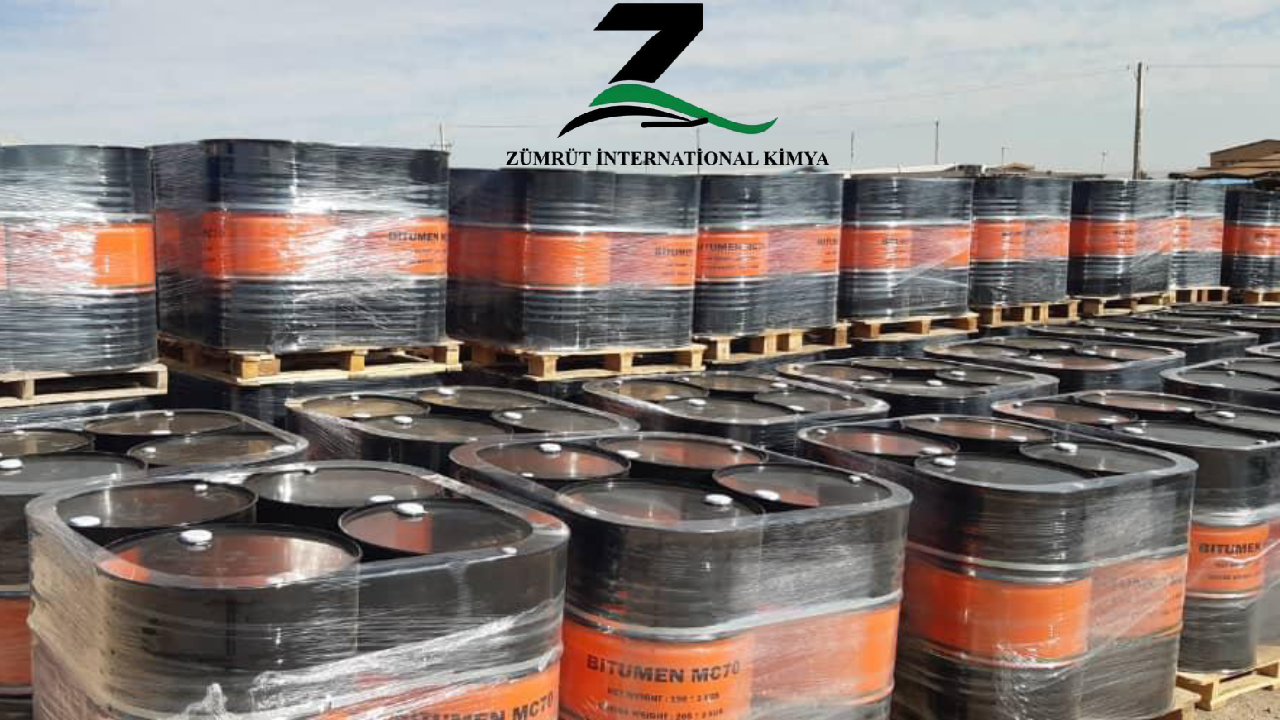
Packing of MC Cutback Bitumen is in new thick steel drums on pallet to prevent any leak inside of container also bulk in bitutainer and tanker.