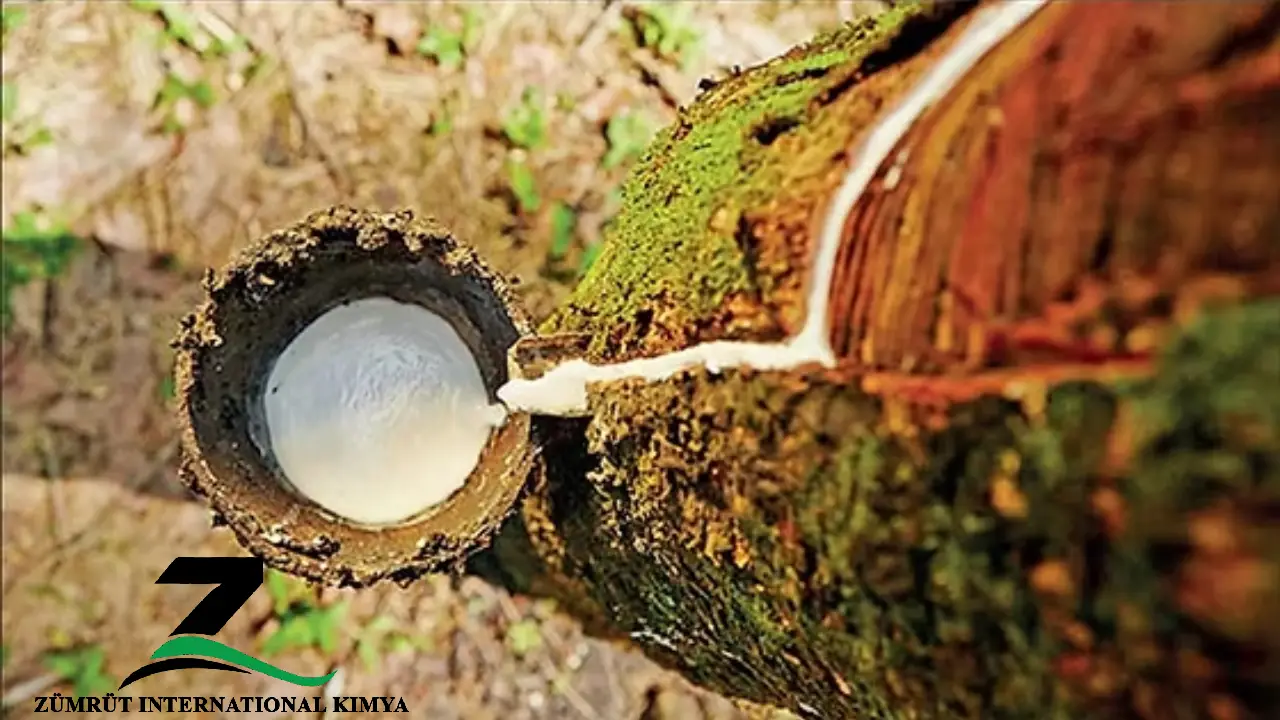
General Description of Malaysian Rubber
Malaysian Rubber refers to natural rubber (NR) produced in Malaysia, one of the world’s leading rubber-producing countries. It is obtained from the latex of the Hevea brasiliensis tree and processed into various grades under strict national and international standards.
Malaysia pioneered the Standard Malaysian Rubber (SMR) system, which guarantees consistent quality and performance for industrial use worldwide.
What is Standard Malaysian Rubber (SMR)?
The SMR system, introduced by the Malaysian Rubber Board (MRB), classifies natural rubber into grades based on technical specifications such as:
- Dirt content
- Ash content
- Nitrogen content
- Volatile matter
- Plasticity Retention Index (PRI)
This ensures buyers receive uniform and predictable quality, suitable for demanding applications such as tires and engineering products.
Production Process
Malaysian Rubber is produced from field latex or cup lumps, which are:
- Collected and coagulated
- Washed and milled
- Dried and pressed into bales
- Tested and graded under the SMR standard (e.g., SMR 5, SMR 10, SMR 20, SMR CV)
Popular Grades SMR
| Grade | Description | Common Use |
| SMR 5 | Premium, very clean | Precision goods |
| SMR 10 | High-quality, light color | Performance tires |
| SMR 20 | Standard industrial grade | General-purpose tires |
| SMR CV | Constant viscosity | Technical molded parts |
Applications of Standard Malaysian Rubber 20 (SMR 20)
1. Tire Manufacturing
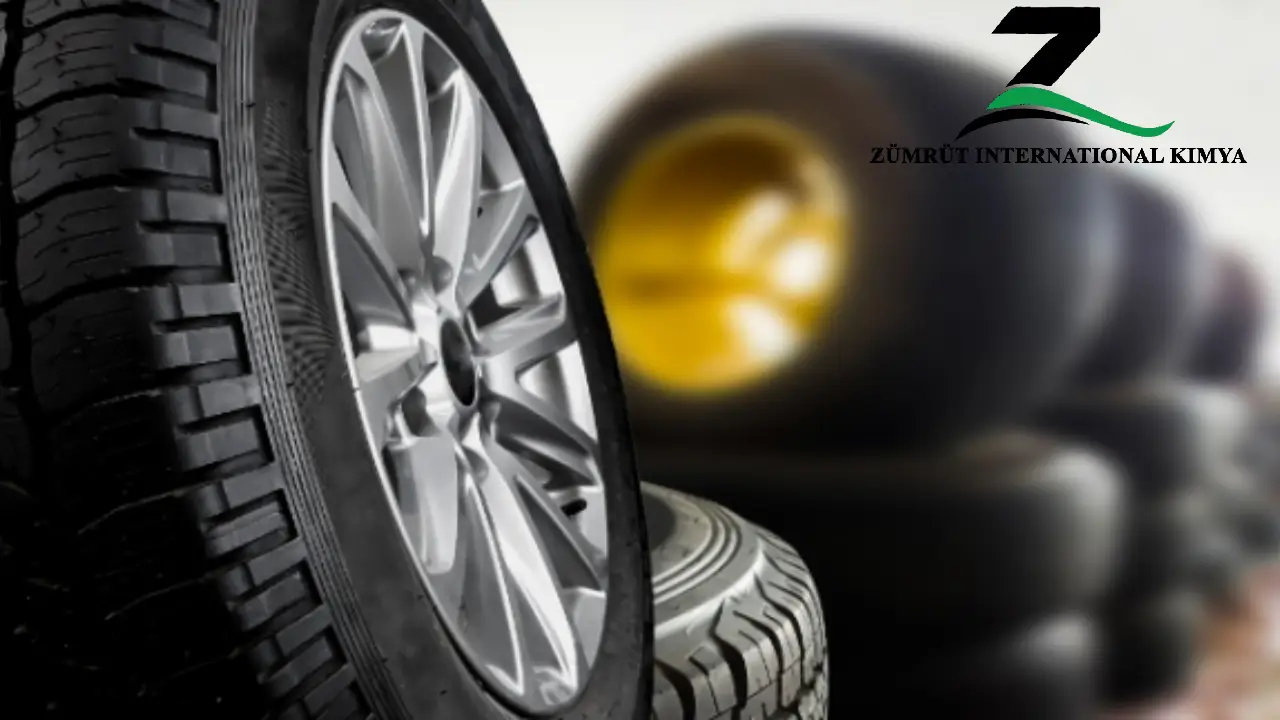
SMR 20 is widely used in the global tire industry due to its strong mechanical properties and easy processing. It is ideal for:
- Tire treads and sidewalls – providing durability and high wear resistance.
- Inner linings and carcass layers – offering flexibility and impact resistance.
- Truck and heavy-duty tires – ensuring long service life under tough conditions.
2. Automotive Components
SMR 20 is used in many automotive rubber parts where elasticity and toughness are critical:
- Engine mounts, bushings, and suspension parts
- Hoses, seals, and gaskets
- Rubber bumpers and anti-vibration pads
3. Industrial Products
Its balance of quality and price makes SMR 20 perfect for industrial rubber goods such as:
- Conveyor belts and transmission belts
- Rubber rollers and sheets
- Industrial mats and vibration dampers
4. Consumer and General Goods
SMR 20 is also used in:
- Footwear soles and heels
- Rubber threads and molded household items
- Elastic and flexible products requiring moderate purity
5. Construction and Engineering Applications
- Bridge bearings and expansion joints – where resilience and load-bearing are needed.
- Sealing and waterproofing materials – offering long-term elasticity under stress.
Advantage of Standard Malaysia Rubber 20
1. High Mechanical Strength
- Excellent tensile strength, tear resistance, and abrasion resistance.
- Provides superior durability for tires, belts, and automotive components operating under heavy loads.
2. Consistent and Reliable Quality
- Produced under strict Malaysian Rubber Board (MRB) standards.
- Offers stable viscosity, elasticity, and cleanliness across production batches, ensuring uniform performance in manufacturing.
3. Good Processability
- Easy to mix with fillers such as carbon black and silica.
- Suitable for molding, extrusion, and compounding processes.
- Reduces waste and improves production efficiency.
4. Excellent Resilience and Fatigue Resistance
- Maintains elasticity and flexibility under dynamic stress.
- Ideal for tires, vibration mounts, and shock-absorbing parts.
5. Eco-Friendly and Sustainable
- 100% natural and biodegradable, derived from Hevea brasiliensis latex.
- Renewable and environmentally responsible alternative to synthetic rubber.
6. Cost-Effective Performance
- Offers a great balance between price and performance, making it the preferred choice for mass-production industries such as tire and automotive manufacturing.
Specification of Natural rubber
| Parameter | Unit | SMR | SMR | SMR | SMR | SMR | SMR | SMR | SMR | SMR |
| CV50 | CV60 | L | 5 | GP | 10 | 10CV | 20 | 20CV | ||
| Dirt (max) | %wt | 0.02 | 0.02 | 0.02 | 0.05 | 0.08 | 0.08 | 0.08 | 0.16 | 0.16 |
| Ash (max) | %wt | 0.5 | 0.5 | 0.5 | 0.6 | 0.75 | 0.75 | 0.75 | 1 | 1 |
| Nitrogen (max) | %wt | 0.6 | 0.6 | 0.6 | 0.6 | 0.6 | 0.6 | 0.6 | 0.6 | 0.6 |
| Volatile Matter (max) | %wt | 0.8 | 0.8 | 0.5 | 0.8 | 0.8 | 0.8 | 0.8 | 0.8 | 0.8 |
| Po (min) | NA | NA | 35 | 30 | NA | 30 | NA | 30 | NA | |
| PRI Index (min) | 60 | 60 | 60 | 60 | 50 | 50 | 50 | 40 | 40 | |
| Lovibond Color: | NA | NA | 6 | NA | NA | NA | NA | NA | NA | |
| individual value (max) | ||||||||||
| Lovibond Color: | NA | NA | 2 | NA | NA | NA | NA | NA | NA | |
| range (max) | ||||||||||
| Mooney Viscosity | 50 +/- 5 | 60 | NA | NA | 65 | NA | 60 | NA | 65 +7/-5 | |
| (ML, 1+4, 100ºC) | +/- 5 | -1.4 | -1.4 |