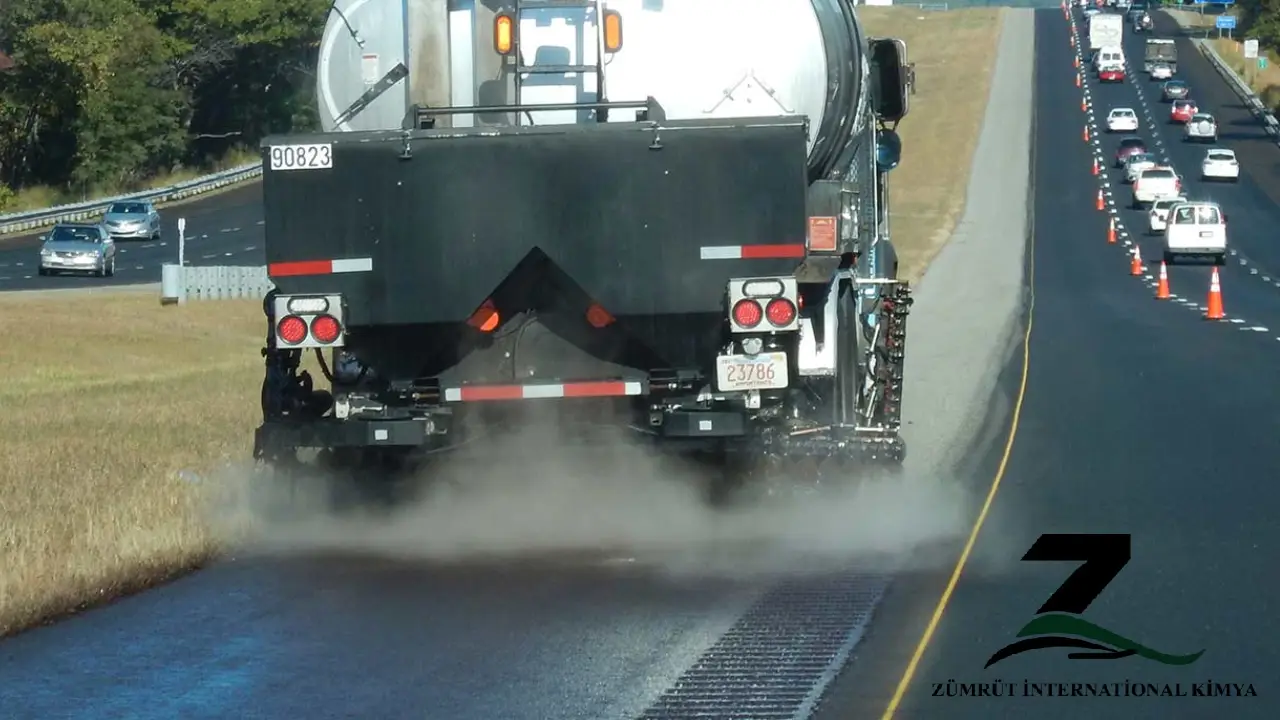
Bitumen Emulsion For Fog Seal
The asphalt surface of the roads can experience erosion, raveling, loss of aggregate, honeycombing, and sulphate attacks over time due to weather conditions such as frost, sunlight, heat, and also road salting, snow removal, as well as the effects of excessive loading and friction, especially caused by tire chains and snowplow blades. Failing to repair and install overlay asphalt in due time will allow damages to expand, leading to complete destruction of the road surface and even the underlying layers. The use of protective layers is recommended to prevent intensification of asphalt wear out, postpone overlay installation, maintain the existing conditions, and fill the cracks.
In addition to providing a suitable road surface, these layers will waterproof it and prevent the destruction of asphalt and its underlying layers. This is a cheap maintenance method that will ensure uninterrupted and secure operation of the roads. Different methods are recommended based on the degree of destruction, the weight and volume of traffic, and type of asphalt. These methods are inexpensive and can be employed early after or even before the beginning of asphalt pavement distress.
Spraying bitumen emulsion without aggregates, aiming to revive asphalt layers. Fog seal can fill small cracks, help seal sand and gravel in the asphalt, and prevent honeycombing. Fog seal can be used in both high-traffic and low-traffic roadways, where depending on the breaking time of the bitumen emulsion, the traffic must be avoided for 2-3 hours. Obviously, fog seal is not recommended for roads that are not cracked or porous.
Tack and fog seal applications are performed using various dilutions of the SS-1h emulsion. This slow setting emulsion is designed and formulated to have long workability time. Diluting SS-1h with water reduces its viscosity and allows for more efficient spraying and penetration.
It is better to apply fog seal during warm weathers, helping the existing water evaporate faster; of course, it can be installed in mild weathers. Its installation in cold weather will require longer periods for the water to evaporate and the emulsion to stick. At the time of installation, the temperature of the bitumen emulsion must be between 50 and 70 degrees Celsius, while the asphalt surface must be at least 10 degrees Celsius. Fog seal is unable to fill long and deep cracks, and these should be patched beforehand. Fog seal can increase the lifespan of asphalt up to four years.
The amount of bitumen used in fog seal is 300 to 1200 grams per square meters, depending on the asphalt condition.
Just paving a CSS or CRS bitumen emulsion layer on the previous asphalt surface.
Key Features of Bitumen Emulsion for Fog Seal
- Diluted Form: The bitumen emulsion is usually diluted with water to reduce viscosity and allow for a more uniform application.
- Application: Applied in a thin layer to penetrate the surface of the pavement, rejuvenate oxidized asphalt, and seal small cracks.
- Improved Adhesion: Helps bind loose aggregates and provides better adhesion for road surfaces.
- Enhances Durability: Slows down further deterioration by reducing water infiltration and oxidation of the pavement.
Advantages
- Cost-Effective: Extends the life of the pavement without requiring expensive overlays.
- Easy Application: Can be applied using conventional spraying equipment.
- Environmentally Friendly: Requires no heating, reducing energy consumption.
- Quick Drying: Traffic can resume shortly after application.
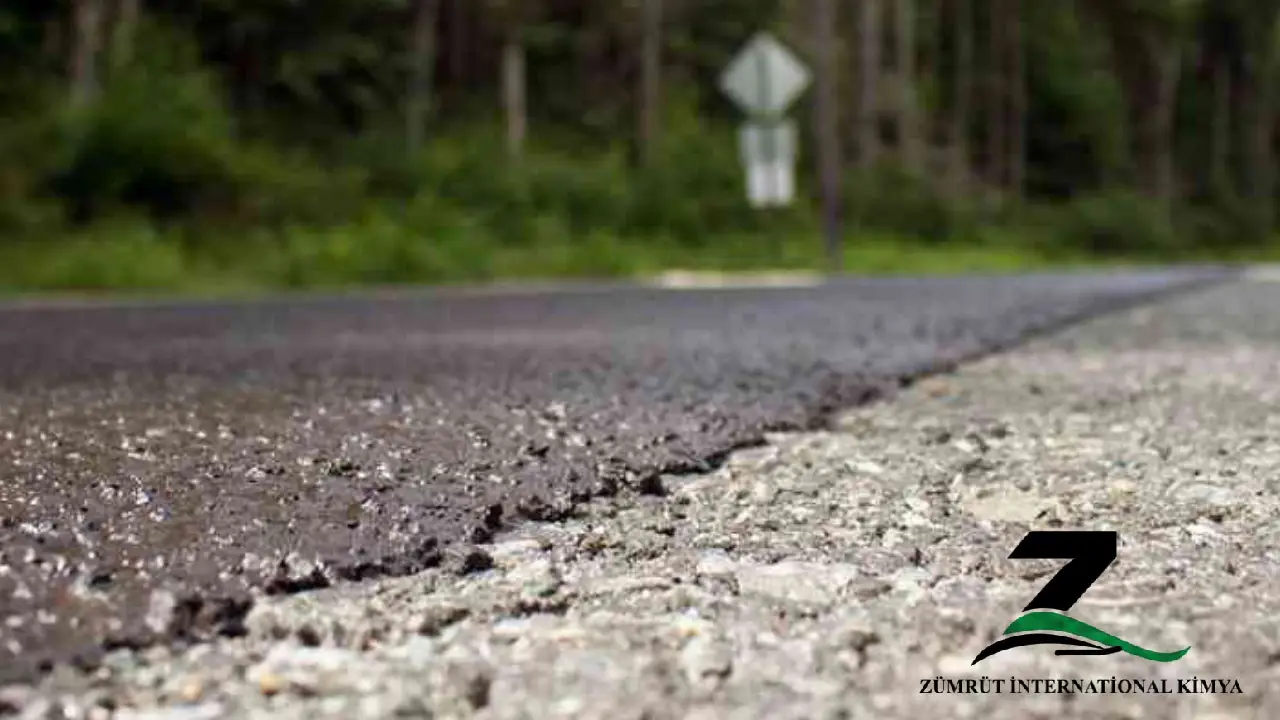
Typical Materials Used Bitumen Emulsion for Fog Seal
- Cationic Bitumen Emulsion: Preferred for better adhesion with the aggregates and road surface.
- Dilution Ratio: Usually 1:1 (emulsion to water) or as specified by the manufacturer.
- Additives: May include rejuvenators or anti-stripping agents to improve performance.
Application Process of Bitumen Emulsion for Fog Seal
- Surface Preparation: Clean the pavement to remove dust, debris, and loose materials.
- Dilution: Mix the emulsion with water as per the required ratio.
- Spraying: Use a calibrated spray truck to apply the emulsion evenly across the surface.
- Curing: Allow the fog seal to cure before reopening the road to traffic.
Use Cases
- Restoring aged and oxidized pavements.
- Sealing minor surface cracks.
- Reducing aggregate loss in chip-sealed surfaces.
- Enhancing the skid resistance of asphalt surfaces.
Considerations
- Weather Conditions: Avoid applying fog seals during rain or when the temperature is below the manufacturer’s recommended limits.
- Traffic Control: Implement proper traffic control measures during application and curing.
- Surface Type: Ensure compatibility of the emulsion with the pavement type.
- Quality Control: Monitor the application rate and dilution ratio for uniform coverage.