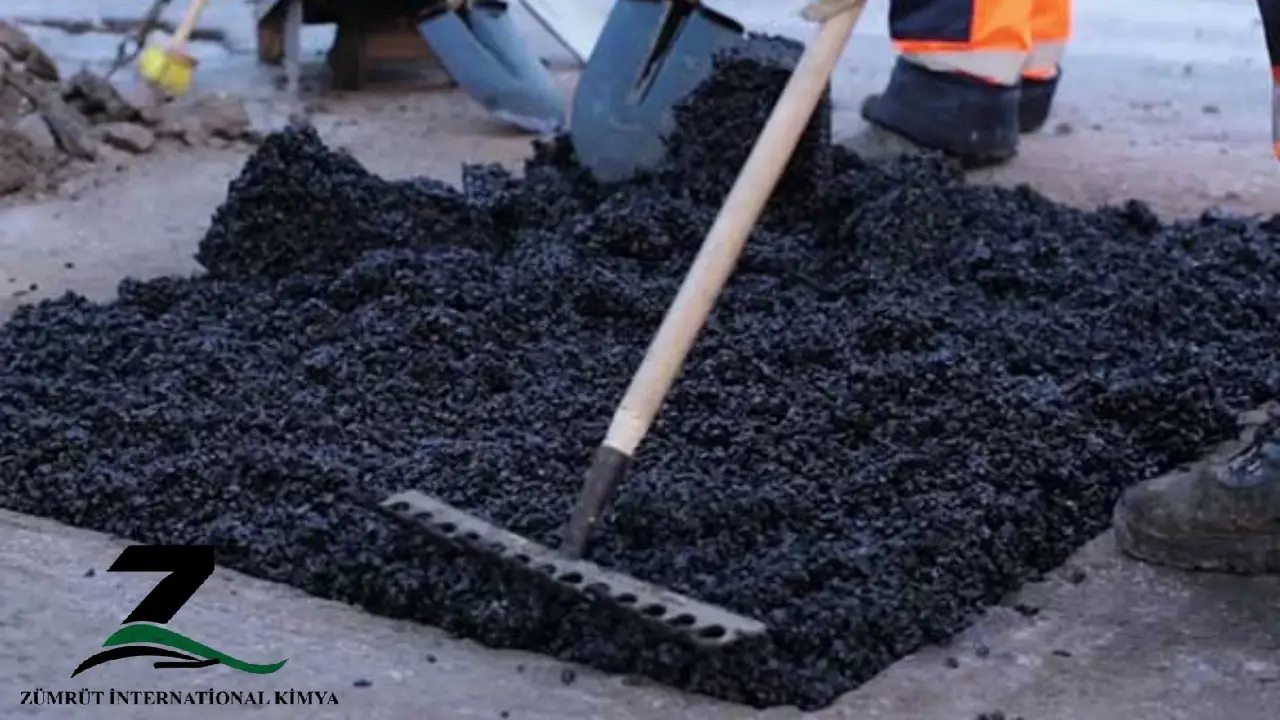
Bitumen Emulsion for Cold Asphalt
The asphalt surface of the roads can experience erosion, raveling, loss of aggregate, honeycombing, and sulphate attacks over time due to weather conditions such as frost, sunlight, heat, and also road salting, snow removal, as well as the effects of excessive loading and friction, especially caused by tire chains and snowplow blades. Failing to repair and install overlay asphalt in due time will allow damages to expand, leading to complete destruction of the road surface and even the underlying layers. The use of protective layers is recommended to prevent intensification of asphalt wear out, postpone overlay installation, maintain the existing conditions, and fill the cracks.
In addition to providing a suitable road surface, these layers will waterproof it and prevent the destruction of asphalt and its underlying layers. This is a cheap maintenance method that will ensure uninterrupted and secure operation of the roads. Different methods are recommended based on the degree of destruction, the weight and volume of traffic, and type of asphalt. These methods are inexpensive and can be employed early after or even before the beginning of asphalt pavement distress.
A mixture of CMS or CSS bitumen emulsion and aggregates which can be produced in plant or on site. It can be kept or transported in bulk packing or in a poly bag. Cold mix remains brown and ready for usage within 2 up to 4 months without heating when packed in jumbo bags.
- CSS-1: Ideal for fine aggregates and tack coats.
- CMS-2: Suitable for dense-graded or coarse aggregates in cold mix applications.
Bitumen emulsion is a critical component in the production of cold asphalt, which is an environmentally friendly and versatile solution for road construction and repair. Cold asphalt, made using bitumen emulsion, does not require heating and can be applied at ambient temperatures, making it especially useful in areas where hot mix asphalt (HMA) is impractical.
Bitumen Emulsion in Cold Asphalt Binder
Almost everyone is familiar with the spring-summer seasonal roads repairing. Heavy machinery is everywhere on the streets and hot asphalt is poured and rolled out on the road surface. Some time ago, this was the only way to do patch repairing of the roads. Today, the technology of cold asphalt mixtures is widely used for such purposes.
Cold asphalt is a mixture of crushed stone (macadam, gravel), sand, an organic binder (usually a bitumen emulsion), cement (or other mineral binder) and special additives.
Bitumen emulsion, which is used as an organic binder in the preparation of cold mix asphalt, consists of bitumen and water. The presence of water in the emulsion allows road repairing in high humidity conditions. At room temperature the emulsion is in a liquid state and does not require heating for mixing, due to this it is possible to do repairing works at low temperatures (up to -5°C), what means extending the terms for providing the works to almost all year round.
In contrast to hot asphalt, a cold asphalt mixture acquires its strength after water evaporates from the emulsion, but not when hot laid and compressed mixture cools.
Cold asphalt is superior to hot in storage duration terms. Hot asphalt should be used within a few hours after preparation, and the terms for usage of cold asphalt mixes may vary from 2 weeks to 8 months, depending on storage conditions and the type of used binder.
The main use of cold asphalt is thin-layer (from 5 to 30 mm) surface treatment for asphalt surface to establish waterproofing, fill small cracks, increase adhesion and eliminate the slight ruts on the roadway. In other words, the restoration of the necessary characteristics for the further roads usage and the prevention of their destruction. Cold asphalt can not be used as the main coating, because under the significant weight it loses its shape and crumbles. If polymers and other modifiers are used, cold asphalt can be used for paving of small areas up to 3 m2 (pedestrian ways or driveways, etc.) or low-grade roads.
In case of consistence of other binders in asphalt mix composition, rather than bitumen emulsion, cold asphalt can be laid without usage of heavy equipment. The further rolling and usage of vibratory machines and tire rollers is highly necessary for bitumen emulsions. Vibration and rolling cause the emulsion breakage, freeing water and holding bitumen.
Cold asphalt is also much more beneficial in terms of energy consumption and eco-friendliness. For example, for the production of one ton of cold mix asphalt, the fuel consumption is only 0.1 liter, as for the production of hot asphalt it is about 10-14 liters, resulting, CO2 emissions also become significantly reduced.
Cold Asphalt applications and facts
Applications of Cold Asphalt
- Road Repairs
Pothole Patching:
– Ideal for quick and easy repair of potholes.
– No need for specialized equipment; applied directly into potholes.
Crack Filling:
– Used to fill wide cracks in asphalt surfaces to prevent further deterioration.
Edge Repairs:
– Fixes damaged road edges and shoulders effectively. - Pavement Resurfacing
– Acts as a thin overlay on deteriorating pavements to improve surface quality and extend lifespan. - Temporary Repairs
Utility Cuts:
– Used in trench repair or utility patching after excavation works.
Emergency Repairs:
– Perfect for quick fixes in high-traffic areas. - Low-Traffic Roads
– Applied in rural areas, pathways, or roads with lighter traffic loads. - Base and Sub-Base Layers
– Functions as a binding layer in road construction or rehabilitation projects. - Remote and Isolated Locations
– Suitable for areas lacking hot mix plants or where transport logistics are challenging.
Facts About Cold Asphalt
1. Composition
- Made from aggregates, bitumen emulsion (binder), and sometimes additives to improve adhesion, strength, or curing properties.
2. Eco-Friendly
- Low Energy Consumption:
– Does not require heating, reducing energy usage and greenhouse gas emissions. - Recyclable:
– Can incorporate reclaimed asphalt pavement (RAP), promoting sustainability.
3. Ease of Use
- Pre-mixed and ready to use.
- Can be stored for extended periods without losing effectiveness.
- No heating or heavy machinery required for application.
4. Versatility
- Suitable for various weather conditions, including wet and cold climates.
- Effective for both temporary and permanent solutions.
5. Cost-Effectiveness
- Lower initial costs due to no heating requirements.
- Reduces labor and machinery expenses.
6. Performance
- Develops adequate strength after curing as the emulsion breaks (water evaporates).
- While not as strong as hot mix asphalt, additives like polymers can enhance its durability.
7. Storage and Shelf Life
- Can be stored for months if sealed properly and protected from excessive moisture.
- Remains workable even after extended storage periods.
8. Application Process
- Clean the surface to remove loose debris and water.
- Place cold asphalt mix directly onto the area to be repaired.
- Compact the material using a hand tamper, roller, or vehicle tires.
9. Limitations
- Setting Time:
– Requires time for the water in the emulsion to evaporate for full strength. - Load-Bearing Capacity:
– Generally less durable than hot mix asphalt for heavy traffic unless modified. - Moisture Sensitivity:
– Excessive water during application can weaken the material.
10. Innovations
- Polymer-Modified Cold Asphalt:
– Offers better elasticity, strength, and resistance to rutting. - Self-Healing Cold Mix:
– Incorporates materials that can self-repair small cracks over time.
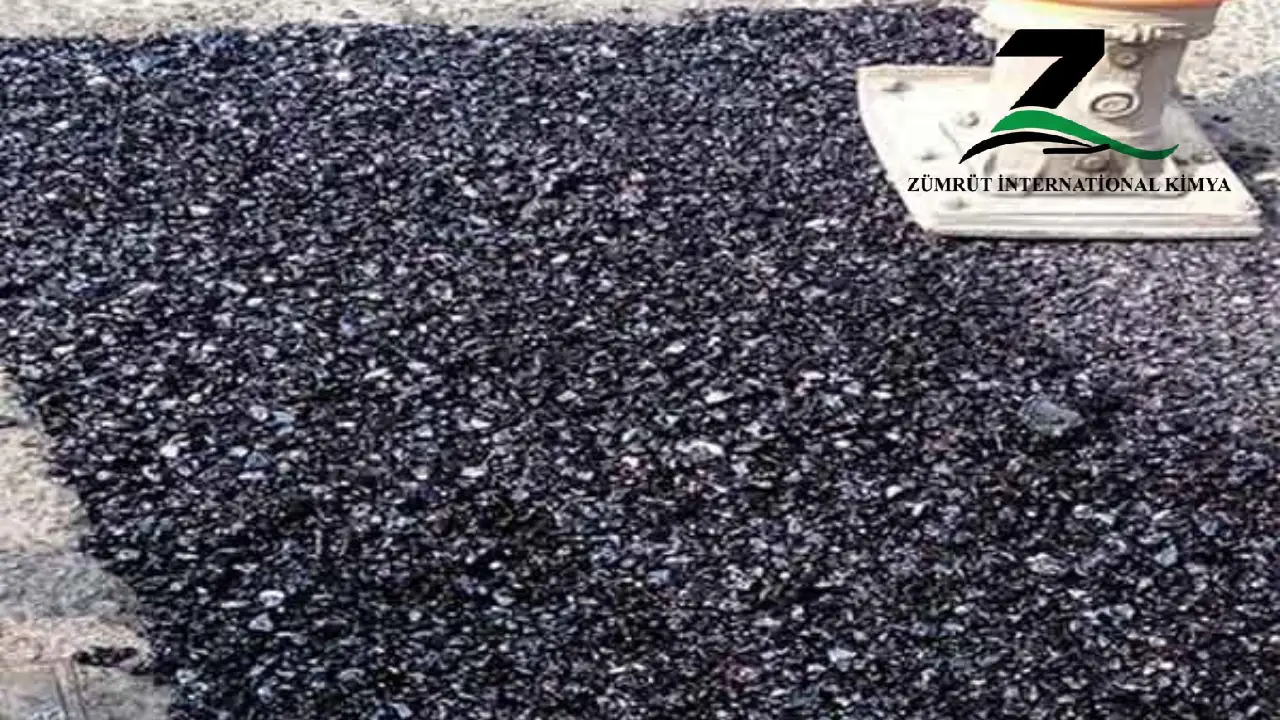
Advantages of Cold Asphalt
- Eco-Friendly: Reduces energy consumption and emissions.
- Convenient: Ready-to-use and simple application process.
- Safe: No heating reduces risks of burns or emissions exposure.
- Fast Repairs: Ideal for emergency or temporary fixes.
- Weather-Resistant: Can be applied in wet or cold conditions.
Criteria for selecting the Best type of Bitumen Emulsion in Cold Asphalt Production
- Use slow-setting emulsions (e.g., CSS-1) for applications needing longer workability.
- Medium-setting emulsions (e.g., CMS-2) are better for faster curing.
- Cationic emulsions work best with negatively charged aggregates (e.g., silica, limestone).
- Ensure good coating and adhesion with specific aggregate types.
- Consider emulsions that perform well in the local temperature and humidity.
- Use emulsions with higher stability (e.g., CMS-2) for areas with heavier traffic.
- Projects requiring extended handling times benefit from slower-setting emulsions.
- Spray applications: Favor rapid- or medium-setting emulsions.
- Mix-in-place: Slow- or medium-setting emulsions are more appropriate.
- Select emulsions with lower Volatile Organic Compound (VOC) content if sustainability is a priority.