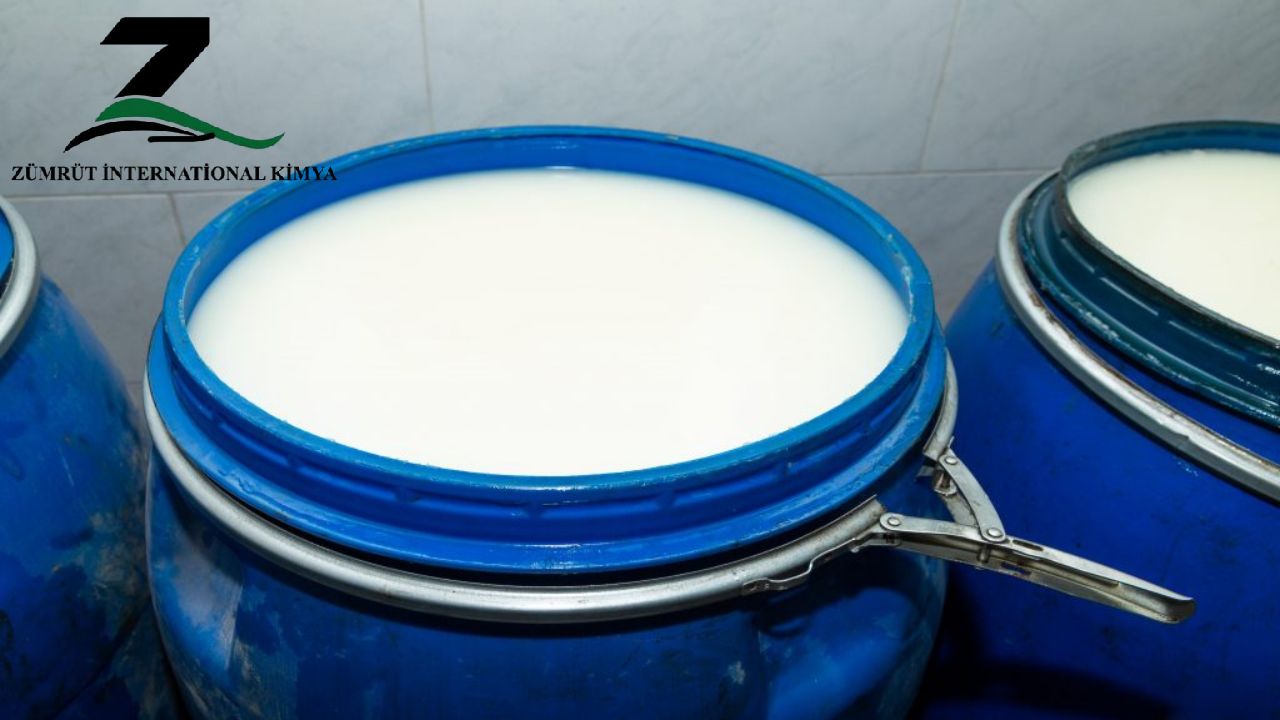
Definition of petroleum jelly
Petroleum jelly, also known as petrolatum, is a semi-solid mixture of hydrocarbons obtained from the refining of crude oil. It is purified to remove impurities and can be produced in different grades such as cosmetic, pharmaceutical, and industrial.
Technical Definition
Petroleum jelly is a hydrophobic, odorless, and colorless (or pale yellow) substance composed mainly of long-chain hydrocarbons. It forms an occlusive barrier on the skin, preventing moisture loss and protecting against external irritants.
The importance of Vaseline in South Africa
Petroleum jelly (petrolatum) plays a significant role in South Africa’s personal care, healthcare, and industrial sectors. Due to its versatility, affordability, and protective properties, it remains a high-demand product across multiple industries.
1-Personal Care & Cosmetics
South Africa has a strong cosmetics and personal care market, where petroleum jelly is widely used because of:
- Skin moisturization and barrier protection
- Protection against dry and harsh weather conditions
- Lip care and baby care products
- Hair care formulations
Its affordability makes it especially important in both premium and mass-market segments.
2- Healthcare & Pharmaceutical Sector
Pharmaceutical-grade petroleum jelly is used in:
- Ointment bases
- Wound care and minor burn treatment
- Dermatological preparations
- Medical lubricants
South Africa’s expanding healthcare infrastructure supports steady demand for high-purity white petroleum jelly.
3-Industrial Applications
Beyond cosmetics, petroleum jelly is important in:
- Cable filling compounds
- Anti-corrosion coatings
- Rubber and plastic processing
- Light machinery lubrication
Industrial-grade petrolatum contributes to manufacturing stability and product longevity.
4-Economic & Trade Importance
- South Africa serves as a regional trade hub for Southern Africa.
- Petroleum jelly is imported, processed, packaged, and redistributed to neighboring countries.
- Consistent quality and compliance with international standards (USP, BP) are critical for suppliers entering this market.
Delivery of petroleum jelly to South Africa Destination Ports
Key Destination Ports in South Africa
South Africa’s seaports are critical entry points for imported petroleum jelly shipments. The main commercial ports include:
1. Port of Durban — KwaZulu-Natal
The largest and busiest seaport in South Africa and sub-Saharan Africa.
Handles the majority of containerized cargo, break-bulk, and general imports, making it the primary entry point for petroleum jelly consignments.
2. Port of Cape Town — Western Cape
A major container and general cargo port serving the southwestern industrial and consumer markets of the country.
Often used for distribution of packaged goods, including cosmetic and pharmaceutical products.
3. Port of Gqeberha (formerly Port Elizabeth) — Eastern Cape
Handles break-bulk, container, and general cargo.
Less busy than Durban but strategically located for distribution to the Eastern Cape and interior regions.
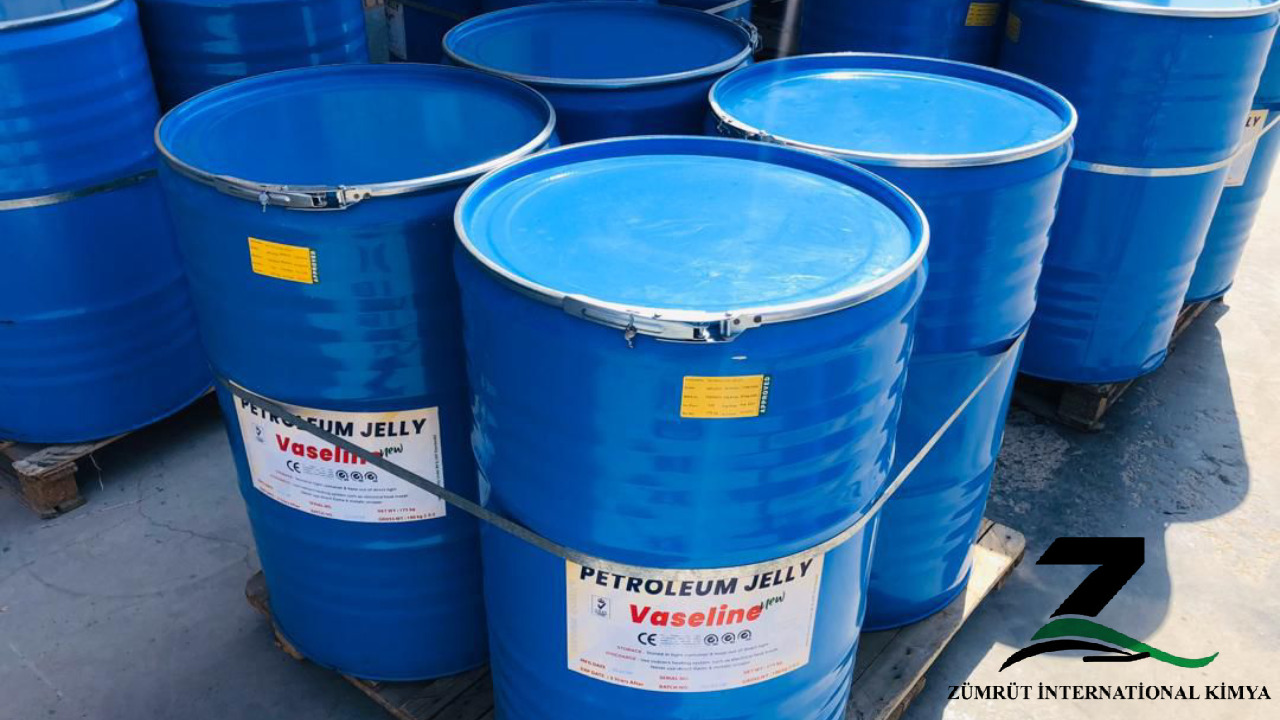
Types of petroleum jelly grades
Vaseline in South Africa typically comes in several grades, which can vary based on purity, intended use, and formulation. Common grades include:
- Cosmetic Grade – High purity, used in skincare and beauty products. It’s formulated to meet safety and quality standards for direct application on the skin.
- Pharmaceutical Grade – Also known as medicinal grade, this type is highly purified and is used in medical and pharmaceutical applications. It is suitable for use in ointments and other medical products.
- Industrial Grade – Used in various industrial applications, this grade might not be as refined as the cosmetic or pharmaceutical grades and may contain more impurities.
Technical Data Sheet of Vaseline in South Africa
| Characteristic | Result | Test Method | Specification |
| Appearance | Passed | BP 2013 | Translucent, soft unctuous mass, slightly fluorescent in daylight when melted |
| Congealing Point | 53-55 ̊ C | ASTM D-938 | – |
| Acidity or alkalinity | Passed | BP 2013 | <0.5 ml NaOH 0.01 N |
| Sulphated ash | Passed | USP 2013 | <0.05% |
| Color | White 0.5 Yellow |
BP 2013 Lovibond IP 17 Method A 2 cell |
White or almost white |
| Odor | Odorless | BP 2013 | Odorless |
| Polycyclic aromatic hydrocarbons |
Passed | BP 2013 | Not more than absorbance of solution 6 mglˉˡ naphthalene in DMSO at 278 nm |
| Solubility | Passed | BP 2013 | Practically insoluble in water slightly soluble in methylene chloride, practically insoluble in alcohol and in glycerol |
| Flash Point | Min 210 ̊ C | ASTM D-92 | – |
| Kinematic Viscosity at 100 ̊ C | 5.5-6 cst | ASTM D-445 | – |
| Consistency Cone Penetration at 25 ̊ C |
Passed 120-130 (0.1mm) |
BP 2013 ASTM D-937 |
60-300 |
| Drop Melting Point | 56-60̊ C | ASTM D-127 | – |