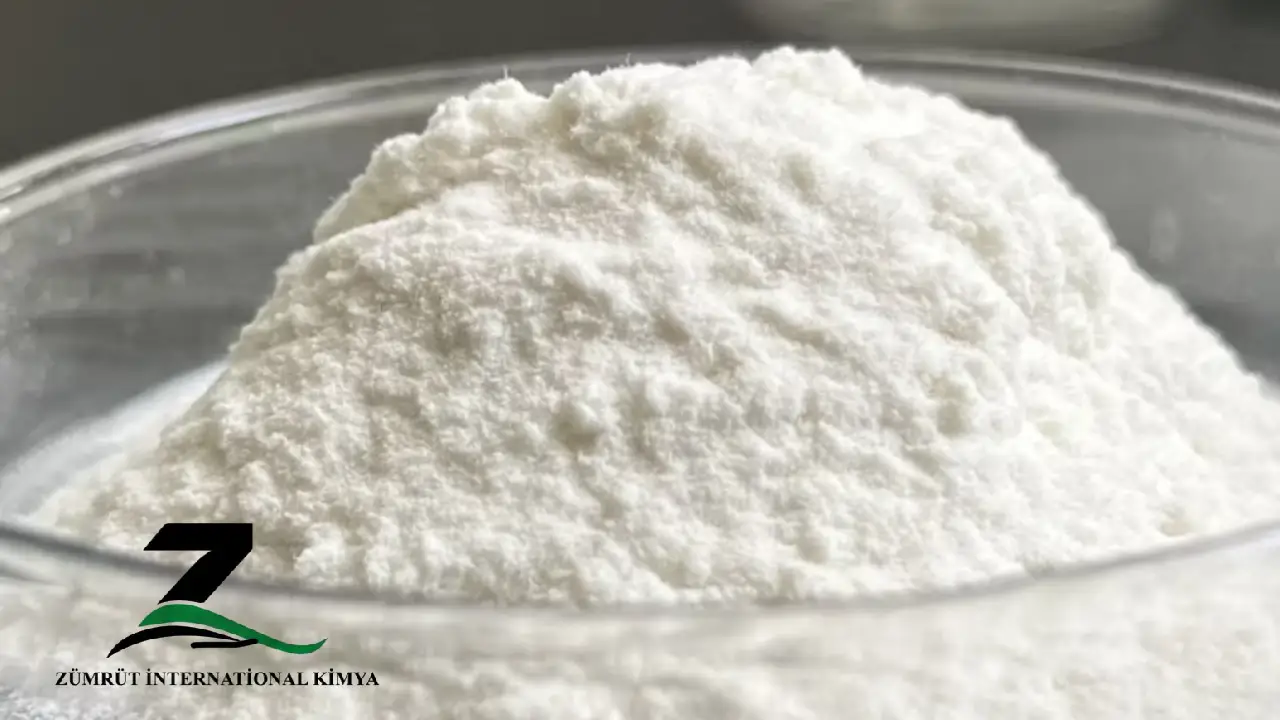
Description of Polyanionic Cellulose
Polyanionic Cellulose (PAC) is a high-quality cellulose derivative commonly used in the oil and gas industry, particularly in drilling, completion, and workover fluids. It is valued for its excellent properties as a viscosifier, filtration control agent, and stabilizer. PAC is water-soluble and is derived from natural cellulose through chemical modification to introduce anionic functional groups, enhancing its performance in a wide range of drilling fluid systems.
Types of Polyanionic Cellulose
PAC is available in two main grades:
- Low-Viscosity PAC:
– Primarily used for fluid loss control with minimal impact on the viscosity of the drilling fluid. - High-Viscosity PAC:
– Used when both fluid loss control and an increase in the viscosity of the drilling fluid are desired.
Applications Polyanionic Cellulose PAC in Drilling Operations
- Drilling Fluids :
– PAC is added to drilling fluids to control fluid loss, stabilize the wellbore, and improve the rheological properties of the fluid. - Completion and Workover Fluids :
– It helps in maintaining wellbore stability and preventing fluid loss during completion and workover operations. - Cement Slurries :
– PAC can be used in cementing operations to enhance the properties of cement slurries, such as controlling fluid loss and improving stability.
Properties of Polyanionic Cellulose
- Water Solubility :
– PAC is highly soluble in water, which allows it to effectively hydrate and mix into drilling fluids. - Viscosifying Agent :
– PAC increases the viscosity of drilling fluids, improving the suspension and transport of cuttings to the surface. - Filtration Control :
– It reduces fluid loss by forming a thin, low-permeability filter cake on the wellbore wall, preventing the invasion of drilling fluid into the formation. - Thermal Stability :
– PAC maintains its properties at elevated temperatures, making it suitable for use in high-temperature drilling environments. - pH Range :
– It performs well across a broad pH range, ensuring its effectiveness in different drilling fluid formulations.
Benefits of Using Polyanionic Cellulose
- Enhanced Wellbore Stability :
– By reducing fluid loss and forming a stable filter cake, PAC helps maintain wellbore integrity. - Improved Drilling Efficiency :
– The viscosifying properties of PAC enhance the carrying capacity of drilling fluids, facilitating efficient removal of cuttings. - Cost-Effective :
– Its dual functionality as a viscosifier and fluid loss control agent can reduce the need for multiple additives, lowering overall costs. - Environmental Safety :
– PAC is non-toxic and biodegradable, making it an environmentally friendly option for drilling operations.
Packing of Polyanionic cellulose
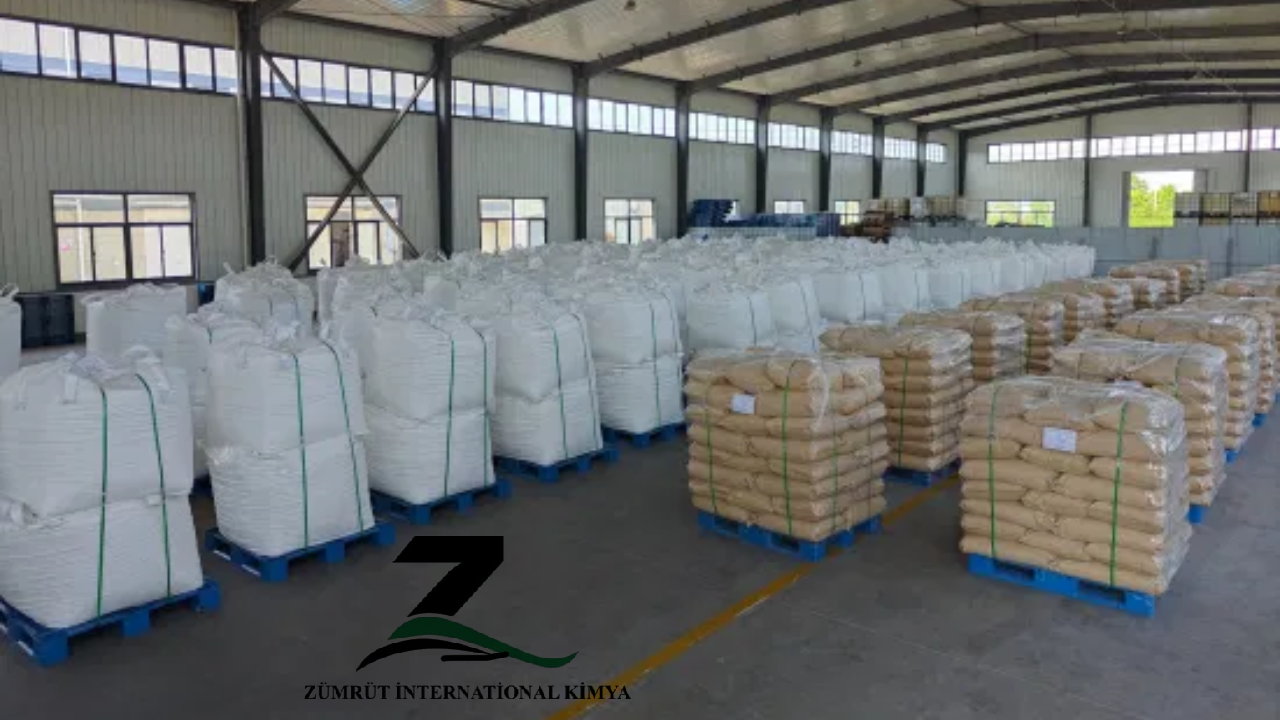
PAC Polyanionic cellulose can supply with 25 kg bag. It can also depend on the customer request. For 20 Ft container 15 MT with 10 pallets and 40ft container can load with 25 MT with 20 pallets.
Preparation and Handling
- Mixing :
– PAC should be added slowly to the circulating system to ensure proper dispersion and hydration. Proper mixing techniques are essential to avoid lumping. - Handling Precautions :
– Personal protective equipment (PPE) such as gloves and goggles should be used when handling PAC to prevent irritation to the skin and eyes.
Polyanionic Cellulose is a versatile and effective additive in the oil and gas industry, offering benefits such as fluid loss control, wellbore stability, and improved drilling efficiency. Its properties make it an essential component in various drilling and completion fluid formulations.
Preparation & Procedures:
PAC should be stored in a dry location. To avoid lumping, it is added to the mud system through the hopper with less than two sacks been added in an hour.
Those working with PAC should wear appropriate Personal Protective Equipment, including dust masks and eye protection, while mixing powdered products.
Always try to avoid skin contact and do not inhale dust or allow contact with eyes.
Technical Data sheet of Polyanionic Cellulose PAC-LV & PAC-HV
| TEST ITEM | STANDARD | ||
| PAC-LV | PAC-HV | ||
| Appearance | Freely flowable powder | ||
| pH value | 6.0-8.0 | 6.0-8.0 | |
| Purity, % | 95 Min | 95 Min | |
| Moisture, % | 10 Max | 10 Max | |
| D.S. | 0.90 Min | 0.90 Min | |
| Viscosity Brookfield 1% | 50 Max | 1500 Min | |
| API Fluid Lose | Increase 0.57% | 25.0ml Max | 20.0ml Max |
| API Fluid Lose | Increase 0.86% | 15.0ml Max | 15.0ml Max |
| API Fluid Lose | Increase 1.14% | 10.0ml Max | 10.0ml Max |
| YP Value | Increase 0.57% | 0.5 Max | 2.4 Min |
| YP Value | Increase 0.86% | 1.0 Max | 9.6 Min |
| YP Value | Increase 1.14% | 1.5 Max | 19.2 Min |