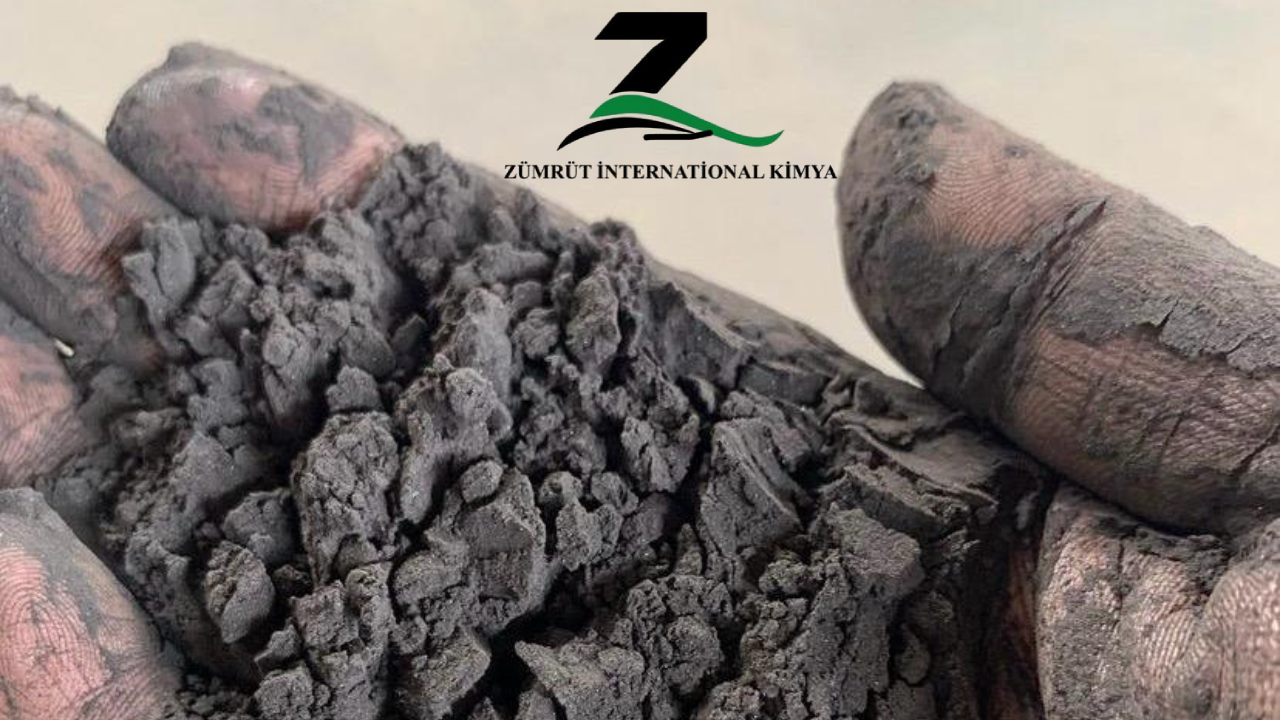
What is Carbon Black
CARBON BLACK is a fine black powder made from incomplete combustion of heavy petroleum products such as tar, coal tar, ethylene cracking tar, and oil. It consists almost entirely of elemental carbon, and it has various applications in industries due to its unique properties. Here are the key aspects of carbon black:
The largest volume use of carbon black is in rubber applications. Technical type carbon blacks are a class of reinforcing and coloring carbon blacks widely used in tire components, industrial rubber products, membrane roofing, automotive rubber parts and other rubber products. In addition, they have a wide range of uses in plastics, coatings, automotive and many other industries to provide technical features to products and to improve cost.
Properties:
- Appearance : Fine black powder
- Composition : Primarily elemental carbon (approximately 97-99%)
- Particle Size : Typically ranges from 10 to 500 nanometers
- Surface Area : High surface area, enhancing its ability to interact with other materials
- Structure : Aggregates of primary particles, forming a complex branched structure
Types:
- Furnace Black : Produced in a furnace where hydrocarbons are partially combusted. It is the most common type of carbon black.
- Channel Black : Produced by burning natural gas over channels, yielding smaller particle sizes and higher surface area.
- Thermal Black : Produced from natural gas in a thermal decomposition process, resulting in larger particles and lower surface area.
- Acetylene Black : Made by the decomposition of acetylene gas, known for its high purity and electrical conductivity.
PHYSICAL & CHEMICAL PROPERTIES:
Appearance: powder or pellet
Color: black
Odor: odorless
Molecular formula: C
Molecular weight (as carbon): 12
Density (20°C): 1.7 – 1.9 g/cm3
Bulk density: 20 – 680 kg/m3
200 – 680 kg/m3 (Pellets)
20 – 380 kg/m3 (Powder)
Solubility: insoluble in water
pH value: 5 – 10 [20 °C]
Decomposition temperature: 300 ºC
Spontaneous ignition (auto ignition): >140 °C
Application of Carbon Black
- Rubber Industry :
– Reinforcement Agent : Enhances the strength, durability, and wear resistance of rubber products, especially in tires.
– Colorant : Provides a deep black color to rubber products like tires, hoses, and belts. - Pigment :
– Used as a black pigment in inks, coatings, plastics, and paints due to its high tinting strength and UV protection properties. - Electronics :
– Conductive Agent : Added to polymers and batteries to improve electrical conductivity.
– Electrode Manufacturing : Used in making electrodes for batteries and fuel cells. - Plastics :
– Acts as a UV stabilizer, protecting plastics from degradation due to ultraviolet light exposure.
– Provides color and improves the mechanical properties of plastic products. - Construction :
– Added to concrete and asphalt to enhance strength, durability, and resistance to wear and tear.
– Used in coatings for pipes and other construction materials to improve their longevity and resistance to environmental factors.
Production Methods:
- Furnace Process : Hydrocarbons are injected into a high-temperature reactor, partially combusted to form carbon black, and then collected.
- Thermal Decomposition : Hydrocarbons are decomposed at high temperatures in the absence of oxygen, forming carbon black.
- Acetylene Process : Acetylene gas is decomposed under controlled conditions to produce high-purity carbon black.
Hard/Soft Carbon Black
Two types of carbon black are commonly used by the rubber industry for reinforcing rubber.
The first is the so-called hard carbon black which imparts high wear resistance to rubber into which it has been compounded.
Hard carbon black is generally used to make vehicular tire treads. Another type of CB, which imparts a different set of properties to rubber, is a so-called “soft” CB.
Soft carbon blacks are generally used to reinforce rubber where a great deal of flexing is expected to be encountered, such as in tire carcasses.
Hard carbons are commonly classified as being in the N100, N200, or N300 series. Some carbon blacks are commonly classified as being in the N500, N600, and N700 series.
The processes for making soft and hard carbon blacks differ considerably.
A soft CB as compared to a hard CB is one which, when mixed in a conventional rubber compound and the compound vulcanized, yields a product which is soft, more resilient, more rubbery, and yet tough; whereas a hard CB in the same compound imparts stiffer, tougher characteristics with low resilience.
The “channel” black process, though it produces a hard black, is a very wasteful process as only 3.5 percent of the carbon content of the gas (the feedstock to the channel black process is natural gas) is converted into CB. So called “furnace” black uses liquid hydrocarbons and converts a’ much higher content of the carbon to than does the channel process.
The characteristics of the carbon black produced by the “furnace” type process depend to a large extent, upon the type of liquid hydrocarbon material used as a charge to the process.
It has been found that low API gravity cracked gas oil having a high aromatic content is very desirable as a feedstock for the “furnace” black process.
Carbon Black N220
Carbon Black N220 is a furnace grade carbon black with medium structure and high surface area. It stands out with its high tensile strength.
Provides good wear resistance in tire treads, conveyor belts and mechanical rubber products. Prevents tire wear.
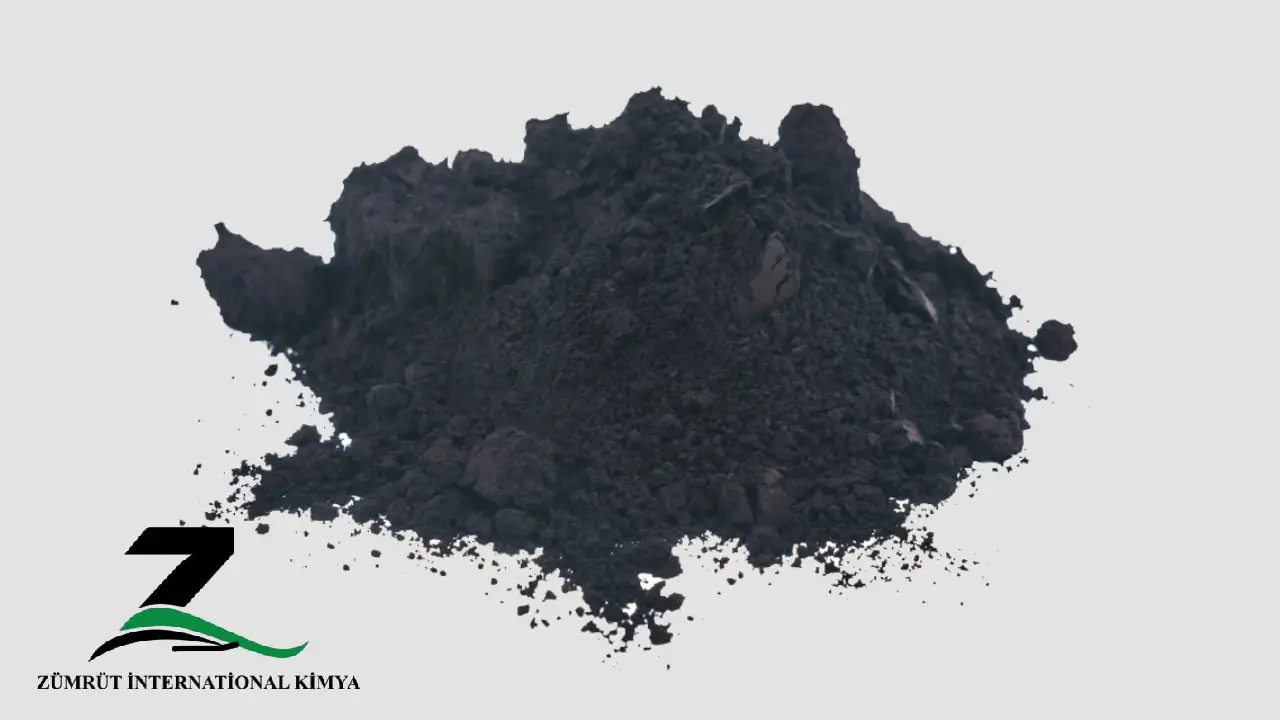
Carbon Black N330
Carbon Black N330 is a high abrasion furnace (HAF) grade carbon black with medium structure and medium surface area. It is characterized by high flexibility, easy workability and good tensile strength. It is used in tire treads, tire profiles, tire cords, conveyor belts, cylinders and all molded rubber products that require optimum balance of abrasion resistance, hysteresis and viscosity properties.
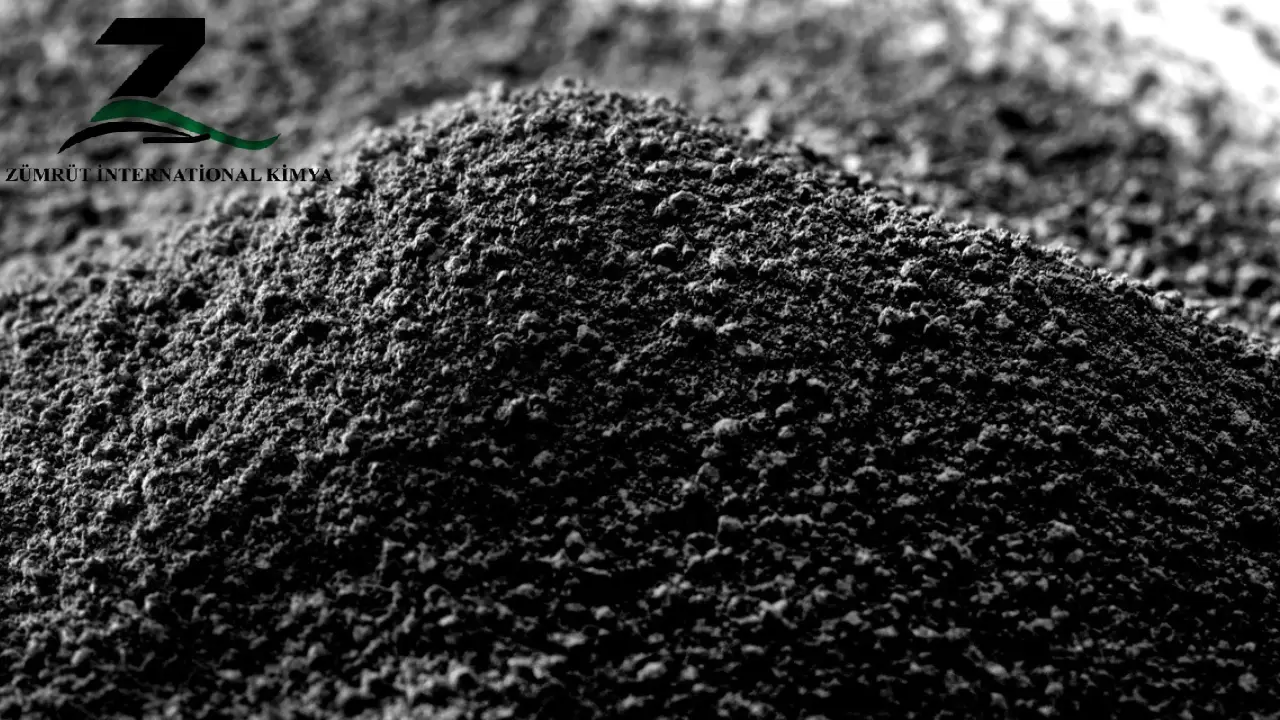
Carbon Black N550
Carbon Black N550 is a furnace grade carbon black suitable for fast extrusion with low surface area and high structure, and offers moderate flexibility.
It has moderate abrasion resistance, good rubber processing properties and dispersion performance. With these properties, it is used in tire linings, tubes, casings, profiles, hoses, hose linings, cable insulation and plastic cable duct compounds requiring dimensional stability.
Carbon Black N772
Carbon Black N772 is a semi-reinforced furnace grade carbon black with low surface area and low structure. It provides high flexibility and excellent dynamic properties.
It is used as a reinforcing filler for gaskets, extruded products, belts, hoses, tire linings, engine mounts, tubes and profiles. It also provides excellent processability in many other rubber product processes.
Packing of Carbon Black
Our Carbon Black, packed in 25, 50KG PP bags and 1 mt jumbo bags (Big Bags) for preventing to absorb moisture.
Environmental and Health Considerations:
- Air Pollutant : Carbon black production can emit pollutants; hence, it is regulated to minimize environmental impact.
- Health Effects : Prolonged exposure to carbon black dust can cause respiratory issues and skin irritation. Safety measures are essential during handling and processing.

Packaging in double layer Kraft Paper –PE envelopes (20-25 kg)
| Small Bage | ||||||||
| Grade | Bag Weight (kg) | Pallet Weight (kg) | Pallets Per 20 FCL | Volume Per 20 FCL(kg) | Pallets Per 40 FCL | Volume Per 40 FCL(kg) | Pallets Per Full Truck(kg) | Pallets Per Full Truck(kg) |
| N220 | 20 | 1.100 | 8 | 8.800 | 16 | 17.600 | 18 | 19.800 |
| N234 | 20 | 1.100 | 8 | 8.800 | 16 | 17.600 | 18 | 19.800 |
| N326 | 25 | 1.375 | 8 | 11.000 | 16 | 22.000 | 16 | 22.000 |
| N330 | 22 | 1.210 | 8 | 9.680 | 16 | 19.360 | 18 | 21.780 |
| N339 | 21 | 1.155 | 8 | 9.240 | 16 | 18.480 | 18 | 20.790 |
| N375 | 21 | 1.155 | 8 | 9.240 | 16 | 18.480 | 18 | 20.790 |
| N550 | 21 | 1.155 | 8 | 9.240 | 16 | 18.480 | 18 | 20.790 |
| N660 | 25 | 1.375 | 8 | 11.000 | 16 | 22.000 | 16 | 22.000 |
| N772 | 25 | 1.375 | 8 | 11.000 | 16 | 22.000 | 16 | 22.000 |
Packaging in double layer Kraft Paper –PE envelopes (20-25 kg)
Bulk Jumbo Packing- Duble Valve, PP-PE (1,100 Kg)
| Jumbo Bage | ||||||||
| Grade | Bag Weight (kg) | Pallet Weight (kg) | Pallets Per 20 FCL | Volume Per 20 FCL(kg) | Pallets Per 40 FCL | Volume Per 40 FCL(kg) | Pallets Per Full Truck(kg) | Pallets Per Full Truck(kg) |
| N220 | 1.100 | 1.100 | 10 | 11.000 | 20 | 22.000 | 22 | 24.200 |
| N234 | 1.100 | 1.100 | 10 | 11.000 | 20 | 22.000 | 22 | 24.200 |
| N326 | 1.100 | 1.100 | 10 | 11.000 | 20 | 22.000 | 22 | 24.200 |
| N330 | 1.100 | 1.100 | 10 | 11.000 | 20 | 22.000 | 22 | 24.200 |
| N339 | 1.100 | 1.100 | 10 | 11.000 | 20 | 22.000 | 22 | 24.200 |
| N375 | 1.100 | 1.100 | 10 | 11.000 | 20 | 22.000 | 22 | 24.200 |
| N550 | 1.100 | 1.100 | 10 | 11.000 | 20 | 22.000 | 22 | 24.200 |
| N660 | 1.100 | 1.100 | 10 | 11.000 | 20 | 22.000 | 22 | 24.200 |
| N772 | 1.100 | 1.100 | 10 | 11.000 | 20 | 22.000 | 22 | 24.200 |
Bulk Jumbo Packing- Duble Valve, PP-PE (1,100 Kg)
Technical Data Sheet of Carbon Black
| TEST NAME | UNIT | ASTM METHOD | N-220 | N-234 | N-326 | N-330 | N-339 | N-347 | N-375 | N-550 | N-660 | N-772 |
| Lodine Number | mg/g | ASTM D1510 | 116-125 | 115-125 | 77-87 | 77-87 | 85-95 | 85-95 | 85-95 | 38-48 | 31-41 | 25-35 |
| DBP Absorption Number | ml/100g | ASTEM D2414 | 109-119 | 120-130 | 67-77 | 97-107 | 115-125 | 119-129 | 109-119 | 116-126 | 85-95 | 60-70 |
| CDBP Absorption Number | ml/100g | ASTM D3493 | 93-103 | 97-107 | 63-73 | 83-93 | 94-104 | 94-104 | 91-101 | 80-90 | 69-79 | 54-64 |
| Heating Loss (max) | %w | ASTM D1509 | 0.75 | 0.75 | 0.75 | 0.75 | 0.75 | 0.75 | 0.75 | 0.75 | 0.75 | 0.75 |
| Pour Density | g/l | ASTM D1513 | 335-375 | 300-340 | 435-475 | 360-400 | 325-365 | 315-355 | 325-365 | 340-380 | 420-460 | 500-540 |
| Toluene Discoloration (min) | %T | ASTM D1618 | 90 | 90 | 90 | 90 | 90 | 90 | 90 | 85 | 85 | 85 |
| Sieve Residue NO.35 (max) | ppm | ASTM D1514 | 0 | 0 | 0 | 0 | 0 | 0 | 0 | 0 | 0 | 0 |
| Sieve Residue NO.325(max) | ppm | ASTM D1514 | 200 | 200 | 200 | 200 | 200 | 200 | 200 | 200 | 200 | 200 |
| PH Value | ASTM D1512 | 7.5-9 | 7.5-9 | 7.5-9 | 7.5-9 | 7.5-9 | 7.5-9 | 7.5-9 | 7.5-9 | 7.5-9 | 7.5-9 | |
| Ash Content | %w | ASTM D1506 | 0.75 | 0.75 | 0.75 | 0.75 | 0.75 | 0.75 | 0.75 | 0.75 | 0.75 | 0.75 |
| FINES (Bag) (max) | %w | ASTM D1508 | 10 | 10 | 10 | 10 | 10 | 10 | 10 | 10 | 10 | 10 |
| FINES (Big Bag) (max) | %w | ASTM D1508 | 7 | 7 | 7 | 7 | 7 | 7 | 7 | 7 | 7 | 7 |
| Individual Pellet Hardness | CN | ASTM D03313 | 14885 | 14885 | 14885 | 14885 | 14885 | 14885 | 14885 | 14885 | 14885 | 14885 |
| Sulfur Content (max) | %w | ASTM D1619 | 1 | 1 | 1 | 1 | 1 | 1 | 1 | 1 | 1 | 1 |
| Nitrogen Surface Area | m²/g | ASTM D6556 | 109-126 | 114-124 | 73-83 | 73-83 | 86-96 | 80-90 | 88-98 | 35-45 | 30-40 | 27-37 |
| Tint Strength | %ITRB | ASTM D3265 | 111-121 | 118-128 | 106-116 | 99-109 | 106-116 | 100-110 | 109-119 | 58-68 | 53-67 | – |