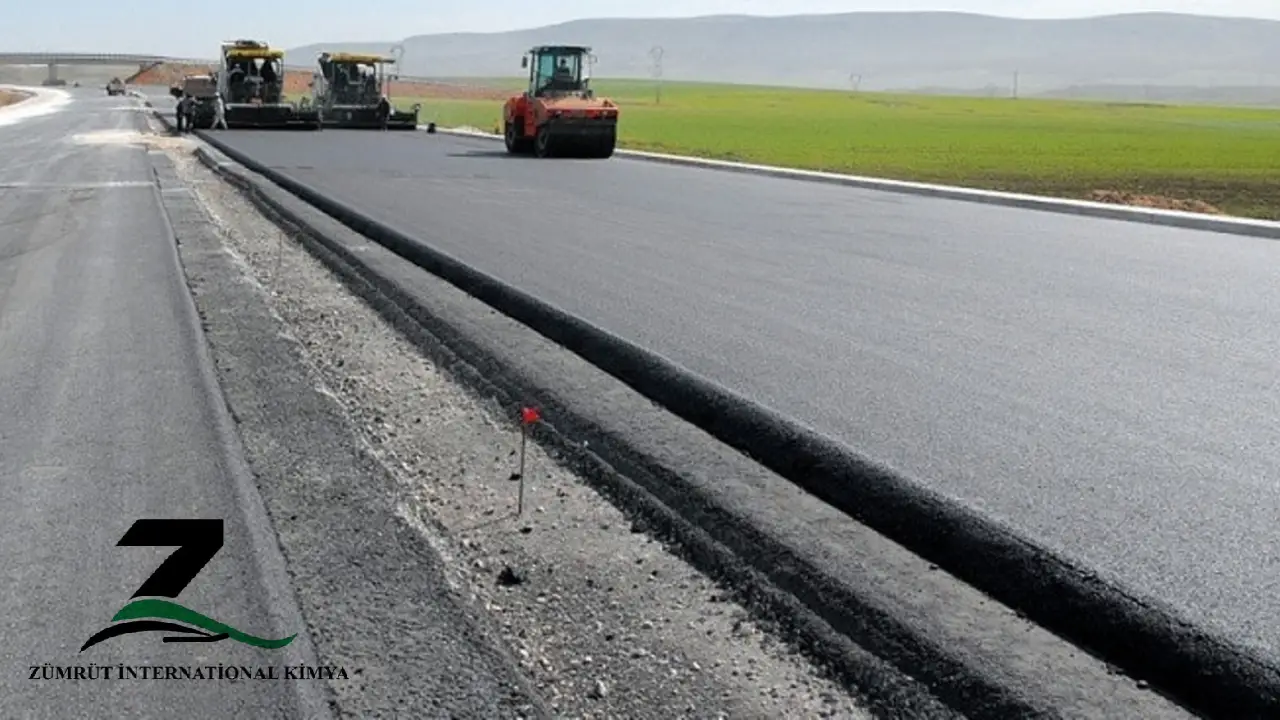
Effective of Bitumen 80/100 in Road Construction?
Bitumen 80/100 for road construction brings together the best of durability, cost-efficiency, and sustainability. As we embark on a journey to understand this material, discover the myriad of advantages it holds for modern-day road projects.
Bitumen 80/100, often regarded as the gold standard for road construction, is derived from the meticulous distillation of crude oil, resulting in a viscous liquid with impeccable binding properties. One of its standout features is its Penetration Grade, indicating the depth to which a standard needle will penetrate under specific conditions. This 80/100 measurement implies an optimal balance of hardness and softness, making the material resistant to rutting in hot temperatures while avoiding brittleness in colder climates. In an era where roadways experience heavy traffic and varying environmental conditions, Bitumen 80/100 offers a resilience that prolongs the lifespan of roads, reducing the need for frequent repairs and overhauls. Its adhesive nature ensures that aggregates in the asphalt mix remain tightly bound, delivering a smoother driving experience and less wear and tear on vehicles.
Cost efficiency and sustainability of bitumen 80/100
Cost Efficiency and Sustainability of Bitumen 80/100
Bitumen 80/100 is widely used in road construction and waterproofing, especially in cold and moderate climates. Its cost efficiency and sustainability make it an attractive option for infrastructure projects. Below is a breakdown of its economic and environmental advantages.
1. Cost Efficiency of Bitumen 80/100
A. Lower Initial Cost
- Lower price compared to harder grades (e.g., Bitumen 60/70)
- Less energy required for heating, reducing fuel consumption during application
- Easier handling, leading to faster construction and lower labor costs
Bitumen 80/100 requires lower mixing and compaction temperatures (120-160°C vs. 150-165°C for 60/70), which translates into lower fuel expenses for asphalt plants.
B. Reduced Maintenance Costs
- Flexible in cold weather – Less prone to cracking and repairs
- Longer lifespan for roads in moderate and cold climates
- Lower rehabilitation and resurfacing costs
While bitumen 60/70 is more durable in hot climates, 80/100 performs better in colder regions by preventing thermal cracking, reducing maintenance costs over time.
C. Suitability for Low-Traffic Roads
Bitumen 80/100 is commonly used in:
- Rural roads
- Residential streets
- Parking lots and light-traffic areas
Since these roads experience less wear and tear, using 80/100 reduces unnecessary material costs.
2. Sustainability of Bitumen 80/100
A. Lower Energy Consumption
- Lower heating requirements reduce CO₂ emissions.
- Less fuel used in asphalt production and application.
B. Recyclability & Circular Economy
♻️ Reclaimed Asphalt Pavement (RAP): Bitumen 80/100 can be recycled into new road surfaces.
♻️ Reduces demand for virgin bitumen, minimizing resource extraction.
C. Compatibility with Eco-Friendly Technologies
- Can be blended with bio-binders and polymer modifiers for improved performance.
- Works well with Warm Mix Asphalt (WMA), reducing carbon footprint.
A Smart Choice for Cold Climates & Budget-Conscious Projects
- More cost-effective than harder grades like Bitumen 60/70.
- Ideal for cold climates, preventing cracking and lowering maintenance costs.
- Lower energy consumption, reducing fuel costs and CO₂ emissions.
- Highly recyclable, contributing to sustainable road construction.
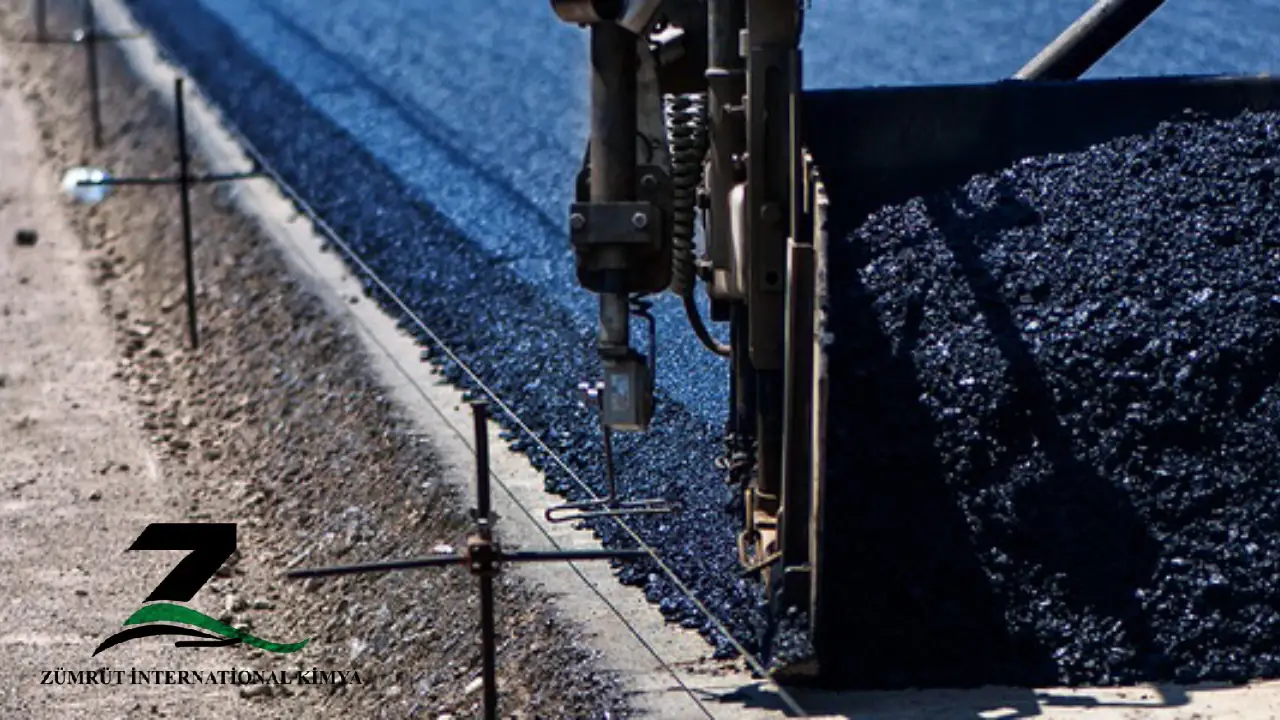
Why Bitumen 80/100 is Essential for Modern Road Construction
In the vast realm of infrastructure development and urbanization, road construction plays a pivotal role. Not only do roads act as the main arteries for transport, but they also reflect a nation’s progress and advancement. The choice of materials used in the construction of these roads, therefore, is of paramount importance. One such critical material that has been at the core of the road construction industry is Bitumen, particularly the 80/100 grade.
Bitumen, often referred to as asphalt in certain regions, is a semi-solid hydrocarbon product produced from the refinement of crude oil. Among the several grades of bitumen available in the market, Bitumen 80/100 stands out, and here’s why:
- Ideal Viscosity: Bitumen 80/100 strikes the perfect balance in viscosity, making it suitable for most temperate climates. This ensures that the roads maintain their structure without becoming too soft in the heat or too rigid in the cold.
- Durability and Resilience: Roads constructed using Bitumen 80/100 tend to have a longer life span. They offer resistance against common issues such as rutting, cracking, and fatigue, which are common problems in roads.
- Cost-Effectiveness: Compared to other construction materials or even other grades of bitumen, the 80/100 variant offers an optimal blend of quality and affordability. For large-scale projects, this factor can translate into significant savings without compromising on the quality of roads.
- Ease of Application: The physical properties of Bitumen 80/100 make it easier to work with. It offers better adhesion, ensuring that aggregates in the asphalt mix bond well. This characteristic ensures smoother road surfaces and fewer maintenance issues.
- Environmentally Friendlier: Modern refining methods have made it possible to produce Bitumen 80/100 with fewer impurities. This means reduced toxic emissions during the laying process, making it a relatively greener choice.
The Production Process of Bitumen 80/100: From Crude Oil to End-Product
Bitumen, particularly the 80/100 grade, plays a pivotal role in modern road construction. Its properties make it an ideal binding agent for asphalt concrete. But how exactly is this material produced? Here’s an in-depth look at the transformation of crude oil into Bitumen 80/100.
- Crude Oil Extraction
The journey begins with the extraction of crude oil from underground reservoirs using drilling rigs. This crude oil is a complex mixture of hydrocarbons, resins, asphaltenes, and other compounds. - Transportation to Refineries
Once extracted, the crude oil is transported to refineries through pipelines, ships, or rail. Here, it will undergo several processes to extract various products, with bitumen being one of the heaviest fractions. - Atmospheric Distillation
At the refinery, the crude oil is introduced into an atmospheric distillation unit. It’s heated at temperatures up to 400°C, causing it to vaporize. As the vapor rises through the distillation column, it cools down, and different fractions condense at various heights, depending on their boiling points. - Vacuum Distillation
The heaviest fractions, which do not vaporize in the atmospheric distillation, are subjected to a second distillation under vacuum conditions (to lower their boiling points). This process is called vacuum distillation. Here, heavier oils are separated, leaving behind a residue known as “vacuum residue” or “short residue.” This residue is the primary feedstock for bitumen production. - Proportioning and Blending
To produce Bitumen 80/100, specific feedstocks are carefully chosen and blended. This precise proportioning ensures the resulting bitumen meets the required penetration and softening point specifications. - Air Blowing
To achieve the desired consistency and properties of Bitumen 80/100, the vacuum residue undergoes a process called air blowing. Here, hot air is blown through the material at elevated temperatures (usually between 230°C and 300°C). This process causes chemical reactions that increase the material’s molecular weight and viscosity. - Storage and Settling
After the air blowing process, the bitumen is transferred to storage tanks. Here, it’s allowed to settle and cool. Any remaining impurities or fine particles settle at the bottom. - Quality Control
Before being dispatched, Bitumen 80/100 undergoes rigorous quality control tests. Laboratories test parameters like penetration, softening point, ductility, and solubility to ensure it meets the set specifications. - Packaging and Transportation
Depending on the end-user’s requirements, Bitumen 80/100 is either transported in bulk using heated tanker trucks or packed in drums for smaller quantities. Specialized tankers ensure the bitumen remains in a liquid state for easy offloading at the destination.
Advantages of Using Bitumen 80/100 in Road Construction Projects
Bitumen 80/100 has long been the choice of binder for many road construction projects around the world. Its unique combination of properties makes it especially suitable for a wide range of applications. Here are some of the main advantages of using Bitumen 80/100 in road construction:
- Versatility and Adaptability
– Adaptable to Different Climates: Bitumen 80/100 can be used in various climatic conditions, making it suitable for projects in both cold and hot regions.
– Suitable for Different Types of Roads: From highways to local roads, its flexibility means it can be employed in a variety of road types and traffic conditions. - Durable and Resilient
– Weather Resistant: It offers excellent resistance to the detrimental effects of sun, rain, and frost, ensuring the longevity of the road.
– Waterproofing Ability: Bitumen 80/100 provides an impermeable layer, preventing the ingress of water, thus protecting the subgrade of the road. - Economic Benefits
– Cost-Effective: Relative to other paving materials, it offers a cost-effective solution for road construction, balancing both upfront costs and long-term maintenance.
– Recyclability: Roads made with bitumen can be milled and recycled, making it an economical choice in terms of lifecycle costing. - Safety Benefits
– Skid Resistance: The texture and adhesive nature of bitumen make it possible to produce road surfaces that are resistant to skidding, thus enhancing road safety.
Visibility: It provides a dark surface which offers better visibility for road markings, contributing to safer roadways. - Ease of Application and Maintenance
– Workability: Bitumen 80/100 remains pliable and easy to work with during the application process, making the laying of asphalt efficient.
– Rapid Construction and Repair: It allows for quick setting and curing, resulting in minimal disruption to traffic during roadworks. Additionally, repairs can be done quickly. - Environmentally Friendly
– Reduction of Noise Pollution: Asphalt roads tend to produce less noise compared to concrete roads, contributing to quieter urban environments.
– Energy Efficient: Producing bitumen requires less energy compared to some other road-making materials. Moreover, its smooth surface can lead to reduced fuel consumption for vehicles. - Compatibility with Modifiers
– Improved Properties: Bitumen 80/100 can be mixed with polymers and other modifiers to enhance its properties, making it even more resilient and adaptive to specific project requirements.
Bitumen 80/100 has, over the years, proven itself as a reliable and efficient material for road construction. Its advantages, spanning from economic benefits to durability and safety, make it a preferred choice for infrastructure projects worldwide. As road construction techniques evolve, Bitumen 80/100 remains a foundational component, ensuring that our roads are built to last and serve their purpose effectively.
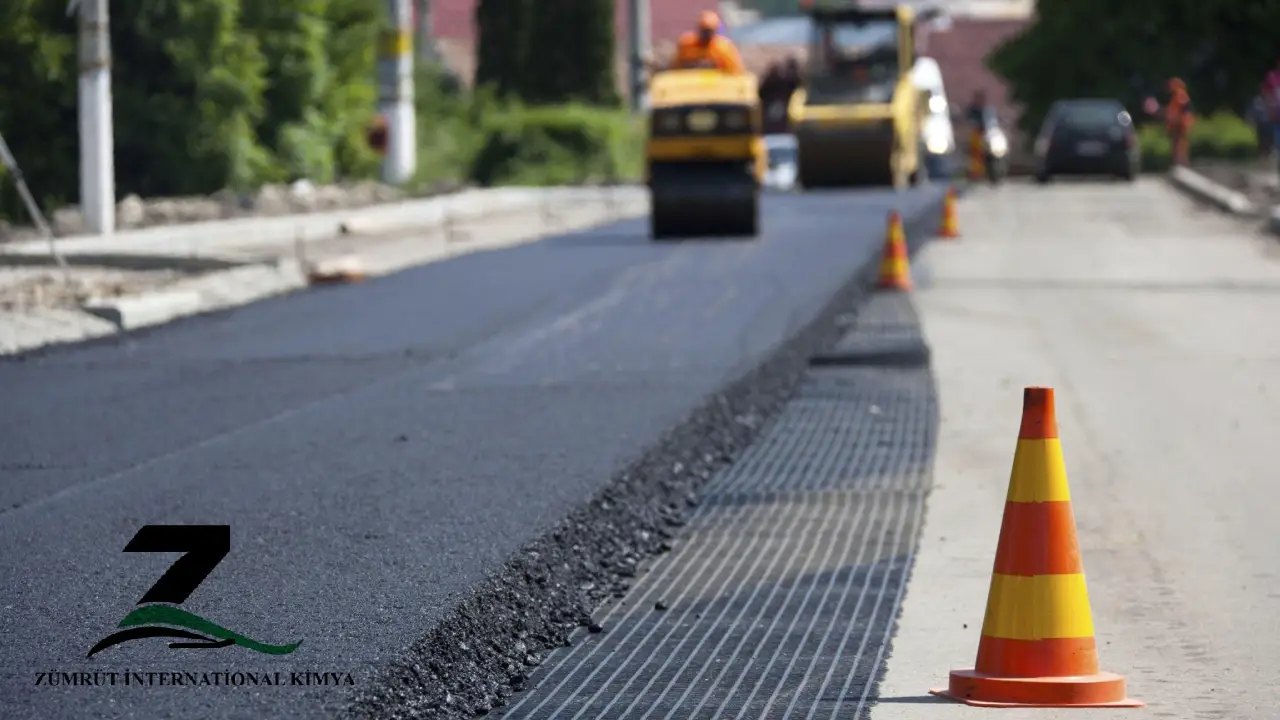
Emerging Innovations in Road Construction with Bitumen 80/100 – Information Added in 2024
As the demand for more durable and environmentally friendly road construction materials continues to grow, Bitumen 80/100 has remained at the forefront of innovation. Recent advancements have significantly enhanced the performance, sustainability, and application techniques of this versatile material, ensuring its continued relevance in modern infrastructure projects.
Advanced Modifiers Enhance Durability and Performance
The integration of cutting-edge modifiers such as crumb rubber and carbon nanotubes has revolutionized the durability and performance of Bitumen 80/100. These modifications significantly improve the material’s resistance to rutting, elasticity, and overall strength, making it ideal for high-traffic areas and extreme temperature variations. By incorporating these advanced materials, roads constructed with Bitumen 80/100 can now better withstand the challenges of heavy loads and fluctuating weather conditions, leading to a longer lifespan and reduced maintenance needs.
Sustainable Practices with Recycling and Waste Integration
Bitumen 80/100 is also at the forefront of sustainable road construction practices. The inclusion of waste polythene and plastic waste in bituminous concrete mixes not only enhances the mechanical properties of the roads but also addresses critical environmental concerns. This approach aligns with global sustainability goals, offering a solution that reduces landfill waste while improving the durability of road surfaces. The compatibility of Bitumen 80/100 with these recycled materials makes it a leader in eco-friendly construction techniques.
Innovations in Production and Application Processes
Recent technological advancements in the production and application of Bitumen 80/100 have focused on increasing efficiency and reducing environmental impact. The use of bitumen emulsions, which require less energy during application and produce lower emissions, is gaining popularity. These emulsions are easier to apply in diverse climatic conditions and offer a more sustainable alternative to traditional bitumen binders. Additionally, new emulsification techniques have optimized the stability and viscosity of these emulsions, making them more reliable for modern road construction needs.
Addressing Long-Term Durability Challenges
Ongoing research is addressing the long-term challenges associated with the ageing of Bitumen 80/100. Oxidation, driven by reactive oxygen species, can increase the brittleness of bitumen over time, leading to a higher risk of cracking. To combat this, innovative additives and refined production methods are being developed, ensuring that Bitumen 80/100 continues to meet the rigorous demands of modern infrastructure development for years to come.