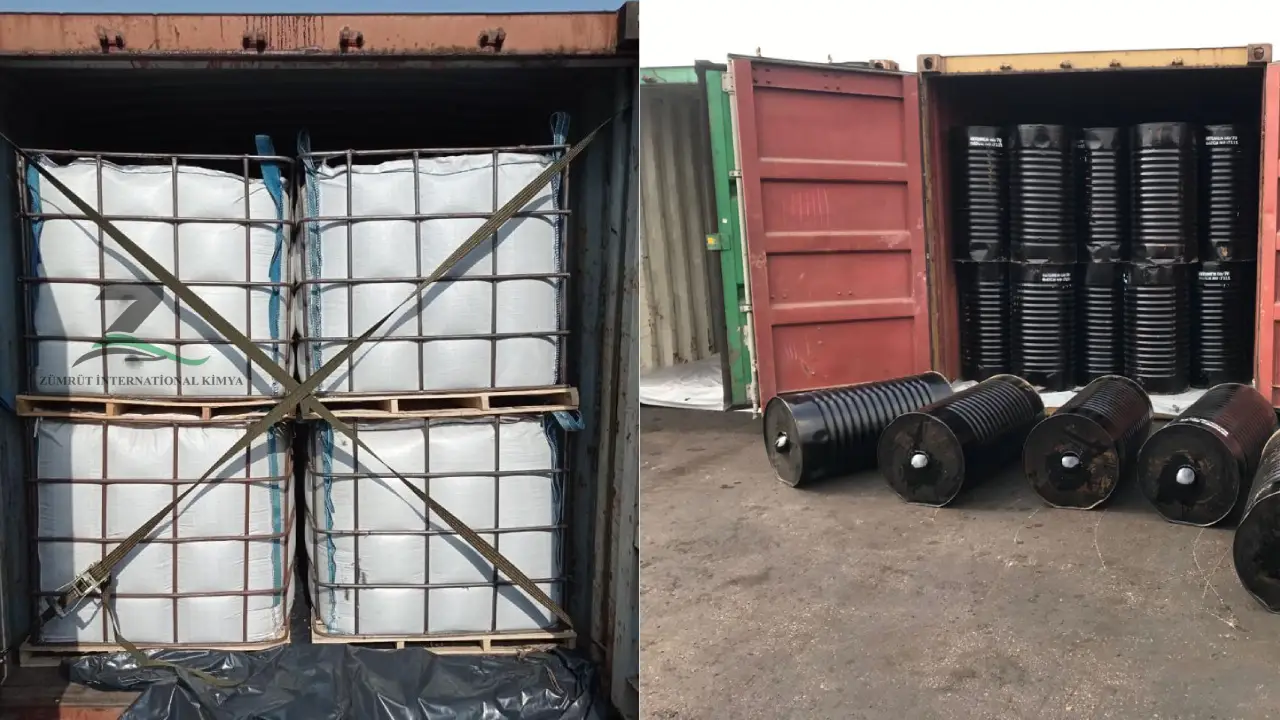
- Introduction to Bitumen: Comparing Bitumen 60/70 and Bitumen 80/100
- Performance characteristics of bitumen 60/70
- Performance characteristics of bitumen 80/100
- Real-world Applications: Where Bitumen 60/70 and 80/100 Are Best Used
- The Pros and Cons of Using Bitumen 60/70 vs Bitumen 80/100 in Road Construction
- Bitumen 60/70 in Different Climates:
- Bitumen 80/100 in Different Climates:
Introduction to Bitumen: Comparing Bitumen 60/70 and Bitumen 80/100
Bitumen 60/70 vs Bitumen 80/100 is a pivotal decision in many industrial applications. Each has unique characteristics that make them suitable for specific scenarios. This article provides an in-depth exploration of the two types, explains their individual characteristics, and provides a comparative analysis that is crucial for professionals in the construction and infrastructure sectors.
Bitumen, also known as asphalt in some regions, is an essential component in road construction, roofing materials, and various waterproofing applications. Bitumen’s unique properties, such as its adhesive characteristics, durability, and water resistance, make it a preferred material in many industries.
Among the different types of bitumen available in the market, Bitumen 60/70 and Bitumen 80/100 are two of the most commonly used grades. The numbers indicate the range of minimum and maximum performance characteristics of the bitumen at specific testing conditions.
Bitumen 60/70, known for its robustness and durability, is often used in regions with a warmer climate or for heavy-duty road constructions. It provides excellent resistance to deformation, making it suitable for use in high-stress applications or areas with heavy traffic.
On the other hand, Bitumen 80/100 is known for its greater workability and lower viscosity, which makes it easier to use in cooler temperatures. It is often used in lighter applications or areas with lower traffic density.
The choice between Bitumen 60/70 vs 80/100 depends on a multitude of factors, including the specific application, environmental conditions, and project requirements. In the following sections, we will delve into the distinctive characteristics, performance differences, and various applications of these two types of bitumen to help you make a more informed decision.
Remember, whether you refer to it as asphalt, asphalt cement, or simply bitumen, understanding the specific properties and applications of these materials is crucial in delivering high-quality and sustainable construction projects.
Overview
Bitumen is classified based on its penetration grade, which indicates its hardness and suitability for different applications.
- Bitumen 60/70: Medium-hard penetration grade bitumen.
- Bitumen 80/100: Softer than 60/70, with a higher penetration value.
These grades are widely used in road construction, waterproofing, and industrial applications.
Penetration and Softening Point
| Property | Bitumen 60/70 | Bitumen 80/100 |
| Penetration (0.1 mm at 25°C) | 60-70 | 80-100 |
| Softening Point (°C) | 49-56 | 42-50 |
| Viscosity (at 60°C, poise) | Higher | Lower |
| Ductility (at 25°C, cm) | 100+ | 100+ |
- Penetration: Bitumen 60/70 is harder than 80/100, making it more durable.
- Softening Point: 60/70 has a higher softening point, meaning it performs better in warmer climates.
Applications
Bitumen 60/70
- Ideal for hotter climates due to its higher softening point.
- Used in high-traffic roads and highways.
- Suitable for airport runways and bridges.
Bitumen 80/100
- More suitable for colder climates, as it remains flexible.
- Used in rural roads and low-traffic areas.
- Applied in waterproofing and roofing industries.
Key Differences
| Feature | Bitumen 60/70 | Bitumen 80/100 |
| Hardness | Harder | Softer |
| Performance in Hot Climates | Excellent | Moderate |
| Performance in Cold Climates | Less flexible | More flexible |
| Traffic Load Suitability | High-traffic roads | Light-traffic roads |
| Cost | Slightly higher | More economical |
- Durability: 60/70 is more resistant to deformation under heavy traffic.
- Workability: 80/100 is easier to apply at lower temperatures.
Choosing the Right Grade
- For highways, airports, and warm regions → Bitumen 60/70
- For secondary roads, roofing, and cold regions → Bitumen 80/100
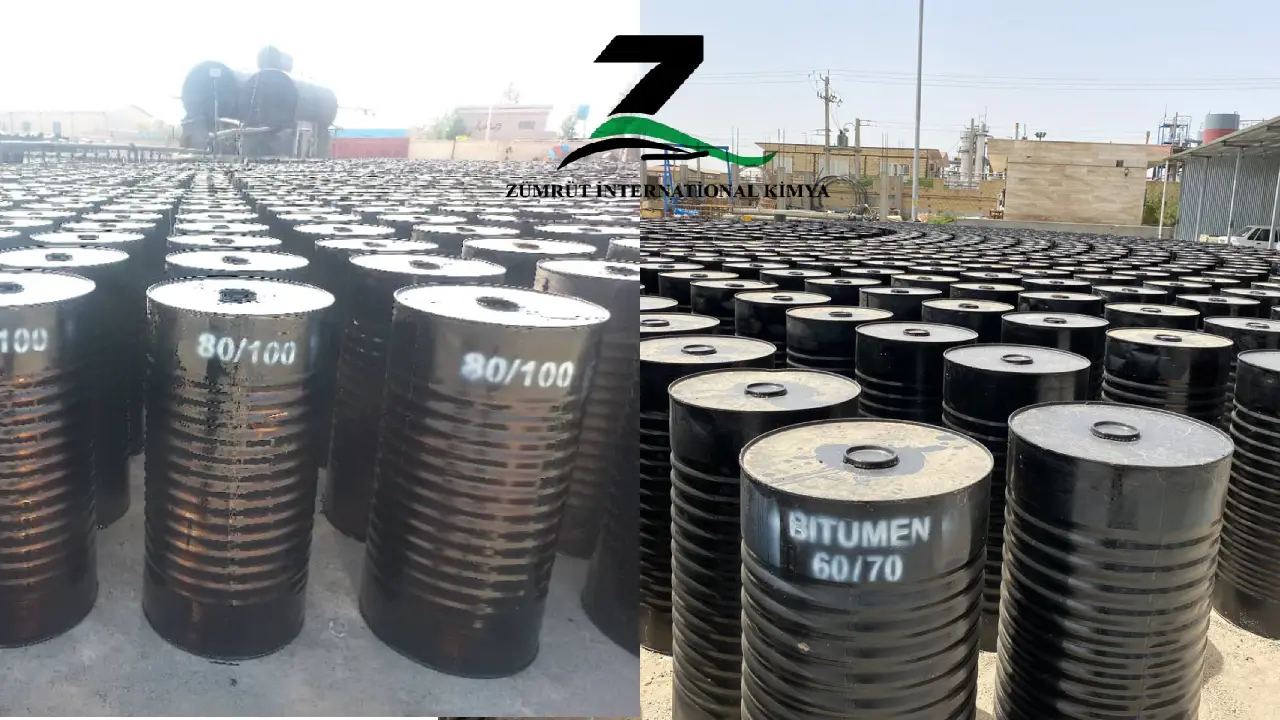
Performance characteristics of bitumen 60/70
Bitumen 60/70, with its higher penetration grade, provides excellent structural stability and resistance to deformation, especially in high-temperature regions. This grade of bitumen is less susceptible to rutting or becoming soft under high temperatures, making it an ideal choice for heavy-duty road applications or regions with heavy traffic.
Furthermore, Bitumen 60/70 possesses superior aging properties. With time, bitumen undergoes oxidation, which can affect its performance. However, the high durability of Bitumen 60/70 can withstand these aging processes better, maintaining its structural integrity over longer periods.
Performance characteristics of bitumen 80/100
Bitumen 80/100, having a lower penetration grade, is softer and more flexible than Bitumen 60/70. It offers greater workability and ease of application, especially in cooler conditions. This makes it ideal for light-duty applications or for use in regions with lower traffic density.
Bitumen 80/100 is less resistant to high temperatures, meaning it can deform or rut more easily under high loads in warm climates. However, it performs exceptionally well in cold conditions, demonstrating resistance to cracking caused by low temperatures.
In summary, while Bitumen 60/70 is known for its high temperature stability, superior durability, and resistance to deformation, Bitumen 80/100 stands out for its flexibility and excellent performance in cold conditions. Thus, the selection of either grade should be primarily influenced by the climatic conditions and traffic load of the region where it is to be used.
Real-world Applications: Where Bitumen 60/70 and 80/100 Are Best Used
Both Bitumen 60/70 and Bitumen 80/100 have a wide array of applications in the construction industry and beyond. Their particular properties make them suitable for different types of projects and conditions.
Applications of Bitumen 60/70:
- Road Construction: Bitumen 60/70’s excellent structural stability and resistance to deformation make it the preferred choice for heavy-duty road constructions, particularly in areas with heavy traffic loads. Its high softening point allows it to withstand high temperatures without losing its structural integrity.
- Roofing: Due to its waterproofing properties and resistance to aging, Bitumen 60/70 is also used in the production of roofing felt and waterproofing for buildings.
- Insulation: Bitumen 60/70’s adhesive and cohesive properties make it ideal for use in the production of insulating materials. It is used to provide insulation against moisture in building construction.
Applications of Bitumen 80/100:
- Cold Weather Paving: Due to its softer nature and lower softening point, Bitumen 80/100 is often used for paving in colder climates. Its lower viscosity at lower temperatures makes it easier to work with in these conditions.
- Spray Sealing: Bitumen 80/100 is frequently used in spray sealing applications, where it’s applied in a fine spray to a prepared surface. Its softer nature makes it an excellent choice for this type of surface treatment.
- Bitumen Emulsions: Bitumen 80/100 is often used in the production of bitumen emulsions, which are used for various applications such as road maintenance and construction.
While both Bitumen 60/70 and 80/100 have versatile uses, it’s important to consider the specific demands of your project and the environmental conditions to make an appropriate selection. Whether you’re building a busy highway or maintaining a local road in a colder region, choosing the right type of bitumen can ensure the durability and efficiency of your construction project.
The Pros and Cons of Using Bitumen 60/70 vs Bitumen 80/100 in Road Construction
Road construction is a common application for both Bitumen 60/70 and Bitumen 80/100. However, each bitumen grade brings its set of advantages and potential drawbacks, depending on the project requirements and local conditions.
Bitumen 60/70 in Road Construction:
Pros:
- Durability: Bitumen 60/70’s high softening point and low penetration grade make it exceptionally durable and resistant to high-temperature deformation. It is ideal for use in high-traffic areas and warmer climates.
- Longevity: Its resistance to the aging process means that road surfaces constructed with Bitumen 60/70 will last longer, requiring less frequent maintenance or replacement.
Cons:
- Workability: Bitumen 60/70’s higher viscosity can make it harder to work with in colder climates or less demanding applications where more flexibility might be desirable.
Bitumen 80/100 in Road Construction:
Pros:
- Workability: The lower viscosity of Bitumen 80/100 makes it easier to work with, especially in cooler climates. It allows for a smoother application process in these conditions.
- Flexibility: Bitumen 80/100, due to its higher penetration grade, offers more flexibility, which can be advantageous in regions with low temperatures to resist cracking.
Cons:
- Durability: Due to its softer nature, Bitumen 80/100 may not perform as well under high traffic loads or in warmer climates as it can be more prone to deformation.
- Longevity: It may also be less resistant to aging compared to Bitumen 60/70, potentially requiring more frequent maintenance.
In conclusion, while Bitumen 60/70’s high durability and longevity make it suitable for heavy-duty road construction, especially in warmer climates, Bitumen 80/100’s superior workability and flexibility are advantageous for use in cooler climates and less demanding applications. It is essential to consider the specific project requirements and environmental conditions to select the most suitable bitumen type.
Bitumen 60/70 in Different Climates:
Bitumen 60/70 is most suitable for warmer climates due to its higher softening point. This means it can withstand higher temperatures without becoming excessively soft or losing its structural stability. It is less prone to rutting or deformation under high temperatures, which is common in warmer regions.
However, in colder climates, the higher viscosity of Bitumen 60/70 could lead to difficulties during application as it can become too rigid. This could potentially lead to cracking under extreme cold or heavy load.
Bitumen 80/100 in Different Climates:
On the other hand, Bitumen 80/100 is softer and more flexible, making it a better choice for colder climates. It offers greater workability and ease of application in colder temperatures due to its lower viscosity. It also shows superior resistance to cold cracking.
However, in warmer climates, Bitumen 80/100 can become too soft and may be more susceptible to deformation or rutting under high traffic loads or high temperatures. This may lead to shorter lifespan and increased maintenance needs.