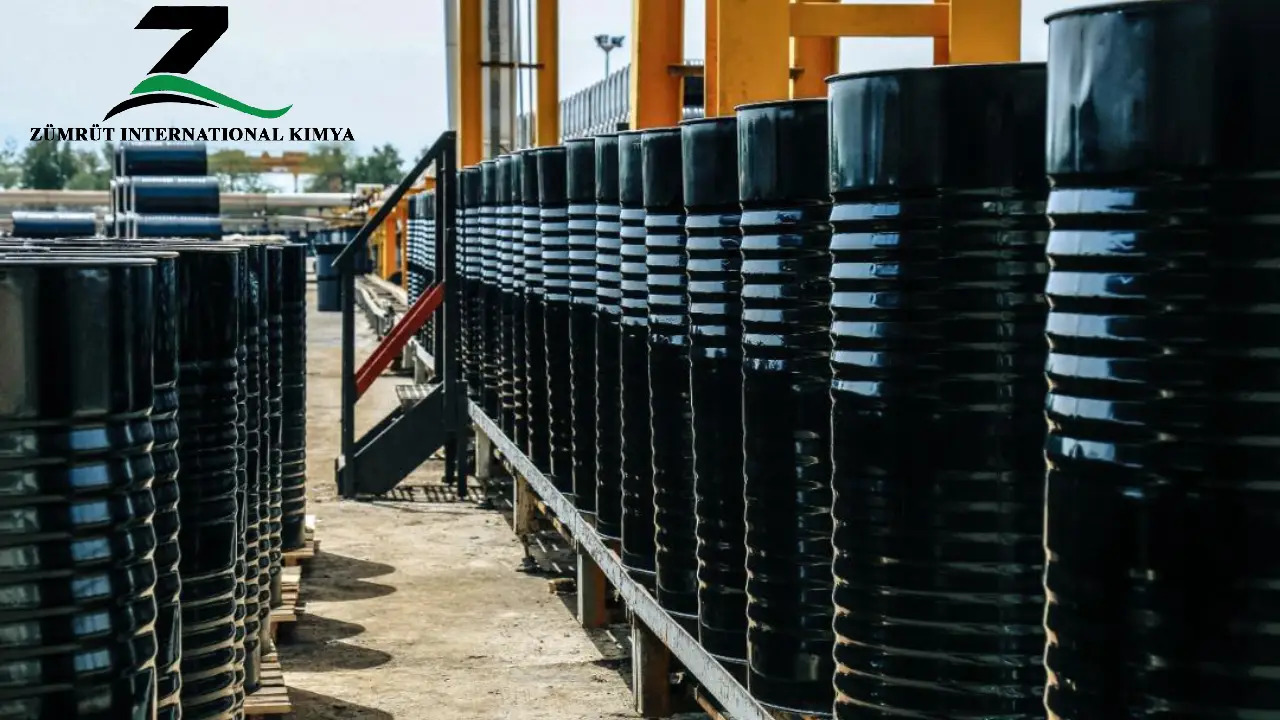
Bitumen and Its Different Grades
What is Bitumen?
Bitumen is a viscous, black, and sticky petroleum-based material primarily used in road construction, waterproofing, and industrial applications. It is produced through the distillation of crude oil and is known for its waterproofing, adhesive, and durability properties.
Different Grades of Bitumen
Bitumen is classified based on its penetration value, viscosity, or performance under specific conditions. The most common types include:
- Penetration Grade Bitumen (Most Common for Roads)
Classified by penetration value (hardness level) measured in 0.1 mm units.
The lower the penetration number, the harder and more durable the bitumen.
Common grades & uses:
– Bitumen 40/50 → Heavy-duty roads, airport runways
– Bitumen 60/70 → Highways, expressways (best for tropical climates)
– Bitumen 80/100 → Provincial & city roads, waterproofing - Viscosity Grade Bitumen (VG)
Classified by viscosity at 60°C (better for temperature variations).
Used in hotter climates and industrial applications.
Common grades:- VG-10 → Low-traffic roads, spraying applications
– VG-30 → Highways & urban roads (widely used in India & hot climates)
– VG-40 → Heavy-duty pavements & industrial use - Performance Grade (PG) Bitumen
Designed to withstand specific temperature ranges.
Used in regions with extreme temperature fluctuations.
Example: PG 64-22 (can handle +64°C max and -22°C min temperatures). - Oxidized (Blown) Bitumen
Produced by blowing air into hot bitumen, making it harder & more resistant to aging.
Used for roofing, waterproofing, and industrial coatings.
Grades: Ranging from Bitumen 85/25 to 115/15. - Cutback Bitumen
Bitumen mixed with solvents (kerosene, diesel) for cold weather applications.
Used for road repair & spray sealing. - Emulsified Bitumen
Bitumen mixed with water & emulsifiers for cold applications.
Used in pothole repairs, surface treatments, and rural roads.
Choosing the Right Bitumen Grade
- Highways & heavy traffic roads → 60/70 or VG-30
- Urban roads & general paving → 80/100 or VG-10
- Roofing & waterproofing → Oxidized bitumen
- Cold weather construction → Cutback or Emulsified bitumen
Which Grade of Bitumen is most Important in Kenya
In Kenya, the most important and commonly used grade of bitumen is Bitumen 80/100.
Here’s why Bitumen 80/100 is significant in Kenya:
- Road Construction: Kenya’s tropical climate and heavy traffic require a bitumen grade that balances softness (for flexibility in high temperatures) and hardness (to resist deformation under traffic loads). Bitumen 80/100 meets these needs well.
- Cost-Effectiveness: It is widely available and relatively cost-effective for use in large-scale road infrastructure projects.
- Government Standards: The Kenya Urban Roads Authority (KURA) and Kenya National Highways Authority (KeNHA) often specify 80/100 for various types of road construction in their tender documents and guidelines.
Other grades sometimes used:
- Bitumen 60/70 – Used in areas with heavier traffic or slightly cooler regions for better performance.
- Emulsified Bitumen (e.g., for surface dressing, maintenance work)
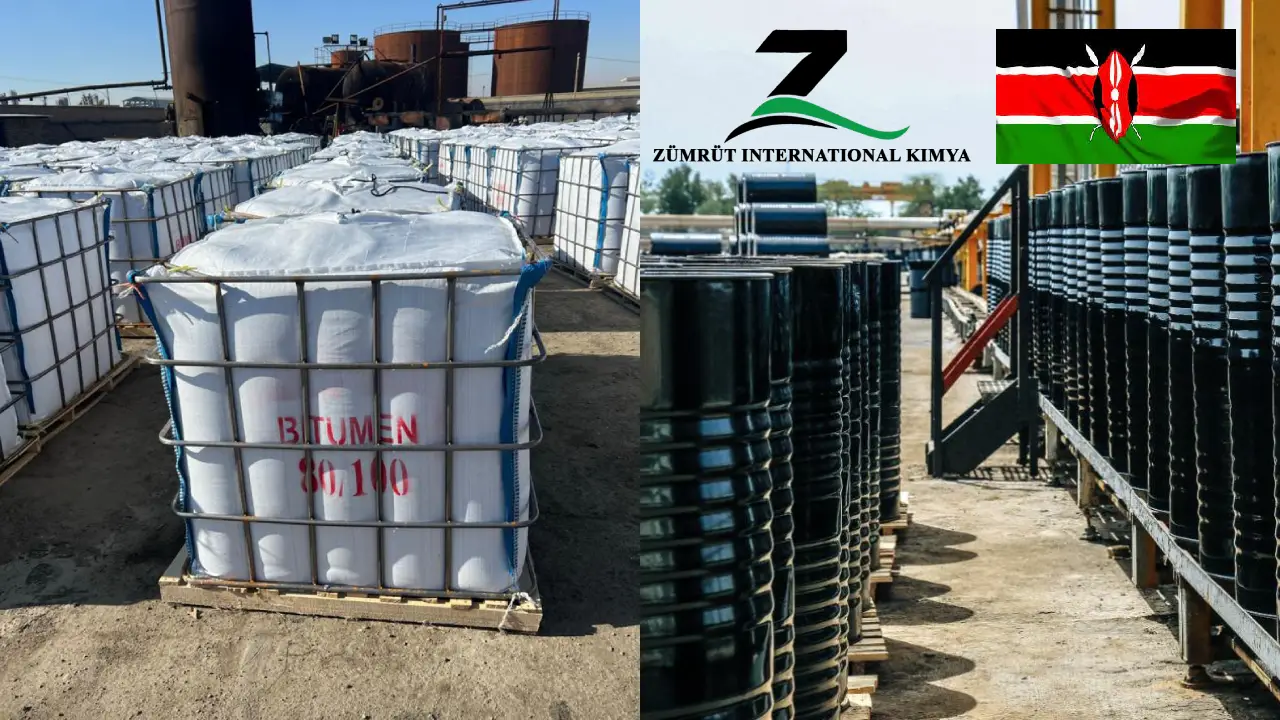
Jumbo Bag and Drum Packaging for Bitumen Grades 60/70 and 80/100 for Kenya
Bitumen 60/70-80/100 in 1 MT Jumbo Bag with a steel cage and pallet: Loading 20 MT in 20 ft Container
Bitumen 60/70 in 1200 KG Jumbo Bag : Loading 24 MT in 40 ft Container
Bitumen 60/70 in 1300 Kg Jumbo Bag: Loading 26 MT in 40 ft Container
Bitumen 60/70 in 300 Kg BituBag: Loading 24 MT in 20 ft Container
Bitumen 60/70-80/100 in 180kg New Steel Drum: Loading 110 Drum in 20 ft = 20 Ton
Key Ports for Bitumen Grades Kenya Discharge
Port of Mombasa
This is Kenya’s main seaport and the central hub for discharging bitumen grades coming into the country. It handles the majority of Kenya’s petroleum and construction-related imports, including:
Common Bitumen Grades Discharged at Mombasa:
Penetration Grades:
Bitumen 80/100 (most commonly used in Kenya)
Bitumen 60/70
Cutback Bitumen:
MC-30, MC-70, MC-3000
Bitumen Emulsions:
K1-40, K1-60, K1-70
Polymer Modified Bitumen (PMB)
Why Mombasa Port is Crucial:
It’s the entry point for both bulk shipments and drum containers of bitumen.
Most inland suppliers and road contractors (especially in Nairobi, Kisumu, and Eldoret) source bitumen from terminals in Mombasa.
Mombasa is also a key hub for transit bitumen exports to Uganda, Rwanda, South Sudan, and the DR Congo.
Domestic and foreign Supplier Bitumen Kenya
Batra Bitumen
Headquarters: Nairobi, Kenya
Production Facility: Based in Kenya with local manufacturing capacity
Monthly Output: Over 1,000 metric tons of bituminous products
International Supplier Bitumen Kenya
International supplier of Bitumen Supplier Kenya By choosing Zumrut International Kimya, you benefit from lasting quality, professional service, and unparalleled expertise in bitumen supply. We are committed to sustainability, innovation, and customer satisfaction, continuously striving to deliver cutting-edge solutions in the bitumen industry.
🔹 Zumrut International Kimya is fully prepared to supply and deliver various grades of bitumen on CIF and CFR terms to various Kenya ports, .🔹
Bitumen Penetration Grade Specifications 60/70, 80/100, 40/50 for Kenya
| Property | Bitumen 40/50 | Bitumen 60/70 | Bitumen 80/100 | Test Method |
| Penetration (25°C, 100g, 5s) (0.1 mm) | 40 – 50 | 60 – 70 | 80 – 100 | ASTM D5 |
| Softening Point (°C) | 50 – 58 | 48 – 56 | 45 – 52 | ASTM D36 |
| Ductility (25°C, cm) | >100 | >100 | >100 | ASTM D113 |
| Specific Gravity @ 25°C | 1.01 – 1.06 | 1.01 – 1.06 | 1.01 – 1.06 | ASTM D70 |
| Flash Point (°C, min) | 250 | 230 | 225 | ASTM D92 |
| Loss on Heating (% max) | 0.5 | 0.5 | 0.5 | ASTM D6 |
| Solubility in Trichloroethylene (% min) | 99 | 99 | 99 | ASTM D2042 |
| Viscosity @ 135°C (cSt) | 400 – 600 | 200 – 400 | 150 – 300 | ASTM D2170 |
| Spot Test | Negative | Negative | Negative | AASHTO T102 |