- All about Bitumen Penetration Grades and the Specialized Uses of Each in Different Climates
- Bitumen Penetration Grades
- Specialized Uses in Different Climates
- Advantages of Penetration Grade Bitumen
- The most applicant countries for different grades of penetrating bitumen
- Factors Influencing Penetration Grade Demand
All about Bitumen Penetration Grades and the Specialized Uses of Each in Different Climates
Bitumen Penetration Grades
Bitumen penetration grades classify bitumen based on their hardness and viscosity, measured by the depth (in tenths of a millimeter) a standard needle penetrates under specific conditions of temperature, load, and time. Penetration grade bitumen is versatile and widely used in road construction, waterproofing, and industrial applications.
Detailed Explanation of Bitumen Penetration Grades
Penetration grade bitumen is categorized based on how hard or soft the material is under specific test conditions. The penetration grade indicates the distance a needle penetrates into the bitumen sample when a 100g load is applied for 5 seconds at 25°C. This property helps determine the suitability of bitumen for different climates, traffic conditions, and construction requirements.
Penetration Grades and Their Characteristics
The common penetration grades are:
- 40/50: Hardest grade.
Penetration depth: 4.0 to 5.0 mm.
Uses: Ideal for hot climates or heavy traffic areas; used in high-stress pavements. - 60/70: Moderately hard.
Penetration depth: 6.0 to 7.0 mm.
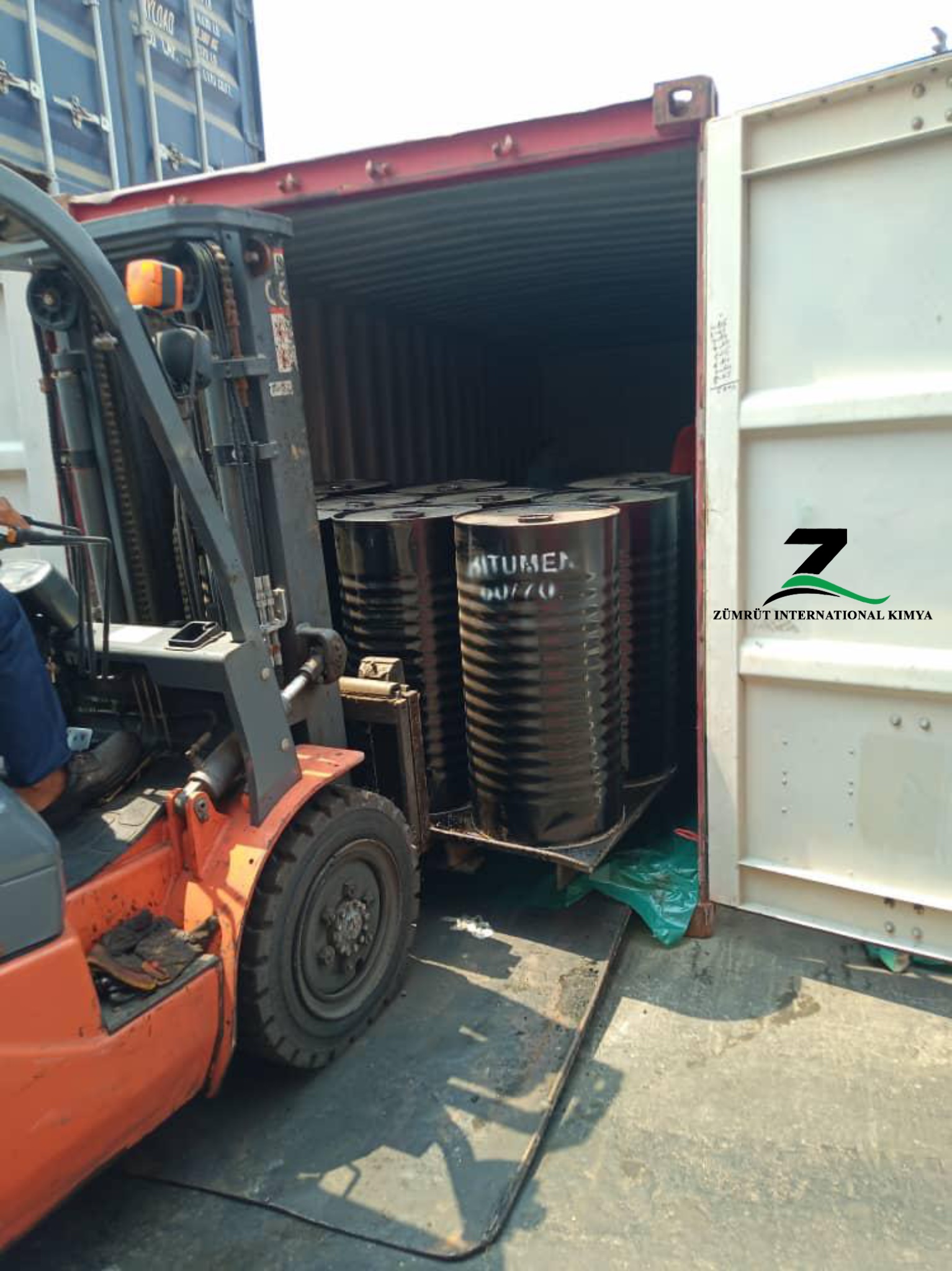
Uses: Popular in tropical regions for roads with moderate to high traffic. Provides good durability and resistance to deformation. - 80/100: Softer grade.
Penetration depth: 8.0 to 10.0 mm.
Uses: Suited for cooler climates where flexibility is needed to prevent cracking due to thermal contraction. - 100/120: Softest commonly used grade.
Penetration depth: 10.0 to 12.0 mm.
Uses: Used in colder climates and for low-traffic roads. Excellent for waterproofing applications where flexibility is critical.
| Penetration Grade | Hardness | Application | Typical Climates |
| 40/50 | Hard | Heavy traffic roads, runways | Hot climates |
| 60/70 | Medium | Urban roads, highways | Tropical/temperate regions |
| 80/100 | Soft | Rural roads, low-traffic areas | Cooler regions |
| 100/120 | Very soft | Waterproofing, low-stress applications | Cold climates |
Specialized Uses in Different Climates
- Hot Climates
– Preferred Grades: 40/50 or 60/70
– Reason: Harder bitumen resists softening under high temperatures, reducing the risk of rutting and deformation.
– Applications:
Highways and heavily trafficked roads.
Airport runways in tropical regions. - Temperate Climates
– Preferred Grades: 60/70 or 80/100
– Reason: Balances flexibility and hardness to withstand moderate temperature variations.
– Applications:
Urban roads.
Suburban and rural pavements. - Cold Climates
– Preferred Grades: 80/100 or 100/120
– Reason: Softer bitumen prevents cracking caused by thermal contraction during freezing temperatures.
– Applications:
Roads in mountainous or snowy regions.
Waterproofing applications in cold environments.
Other Factors Influencing Selection
- Traffic Load:
High traffic or heavy vehicles require harder grades like 40/50 or 60/70.
Low traffic roads can use softer grades like 80/100. - Base Material Compatibility:
The grade of bitumen should match the aggregate properties for optimal adhesion and longevity. - Construction Method:
Penetration grades work well with traditional hot-mix asphalt techniques. - Seasonal Variations:
In climates with extreme seasonal changes, softer grades can accommodate thermal movement, reducing pavement fatigue.
Advantages of Penetration Grade Bitumen
- Versatility: Suitable for a wide range of climates and applications.
- Ease of Handling: Requires minimal processing for direct use in road construction.
- Durability: Offers long service life when selected appropriately for climatic conditions.
Limitations
- Temperature Sensitivity: Extreme temperatures may require polymer-modified or specialized bitumen instead of standard penetration grades.
- Aging: Over time, bitumen can harden, leading to reduced flexibility and increased cracking.
The most applicant countries for different grades of penetrating bitumen
- Bitumen 40/50
Characteristics: Hardest grade, suitable for high-temperature regions and areas with heavy traffic.
Applications: Highways, airport runways, and heavy-duty industrial pavements.
Applicant Countries:
Middle East: Saudi Arabia, UAE, Kuwait.
Hot climates with extreme temperatures and high-load roadways.
South Asia: India, Pakistan.
For highways in tropical regions.
Africa: Nigeria, Ghana.
Used in regions with high heat and dense traffic. - Bitumen 60/70
Characteristics: Moderately hard, balances flexibility and durability; widely used in tropical and temperate climates.
Applications: Urban roads, highways, and bridges.
Applicant Countries:
Asia: India, Bangladesh, Vietnam.
Common for road construction due to tropical climates.
Middle East: Iran, Oman.
Ideal for roads experiencing moderate-to-heavy traffic.
Africa: Kenya, Egypt, Morocco.
For highway and urban road infrastructure.
South America: Brazil, Colombia.
Used for highways and urban roads in tropical conditions. - Bitumen 80/100
Characteristics: Softer grade, ideal for cooler climates or regions with moderate traffic.
Applications: Low-traffic roads, rural pavements, and cold-weather areas.
Applicant Countries:
Europe: Russia, Ukraine, Poland.
Suitable for cooler climates to prevent cracking.
Asia: China, Nepal, Bhutan.
Used in mountainous and rural regions.
South America: Chile, Argentina.
Applied in areas with moderate traffic and variable climates.
North America: Canada (in some regions).
Preferred in cold areas for its flexibility. - Bitumen 100/120
Characteristics: Softest grade, ideal for extreme cold climates and waterproofing applications.
Applications: Low-stress pavements, waterproofing, and sealing.
Applicant Countries:
Northern Europe: Norway, Sweden, Finland.
Used for cold regions where flexibility is critical.
North America: Canada, Alaska (USA).
For low-stress roads and waterproofing in freezing temperatures.
Asia: Mongolia, parts of Kazakhstan.
Suited for extreme winter conditions.
Arctic Regions: Greenland, parts of Siberia.
Essential for harsh, freezing climates.
Factors Influencing Penetration Grade Demand
- Climate:
Hot climates prefer harder grades (40/50, 60/70).
Cold climates demand softer grades (80/100, 100/120). - Traffic Load:
High-traffic areas: Harder grades like 40/50 or 60/70.
Low-traffic or rural areas: Softer grades like 80/100. - Infrastructure Development:
Developing countries: High demand for 60/70 for urban and highway projects.
Developed countries: Specialized uses of 80/100 and 100/120 in cold regions. - Economic Considerations:
Softer grades are often more affordable, making them popular in rural or low-budget projects.
Global Bitumen Trade Insights
- Middle East: A leading exporter of penetration bitumen to Africa and Asia.
- Asia: India and China are major consumers due to ongoing infrastructure projects.
- Europe: Demand varies by region, with softer grades preferred in northern Europe.
- Africa: Growing demand for road development projects, especially for grades 60/70 and 40/50.