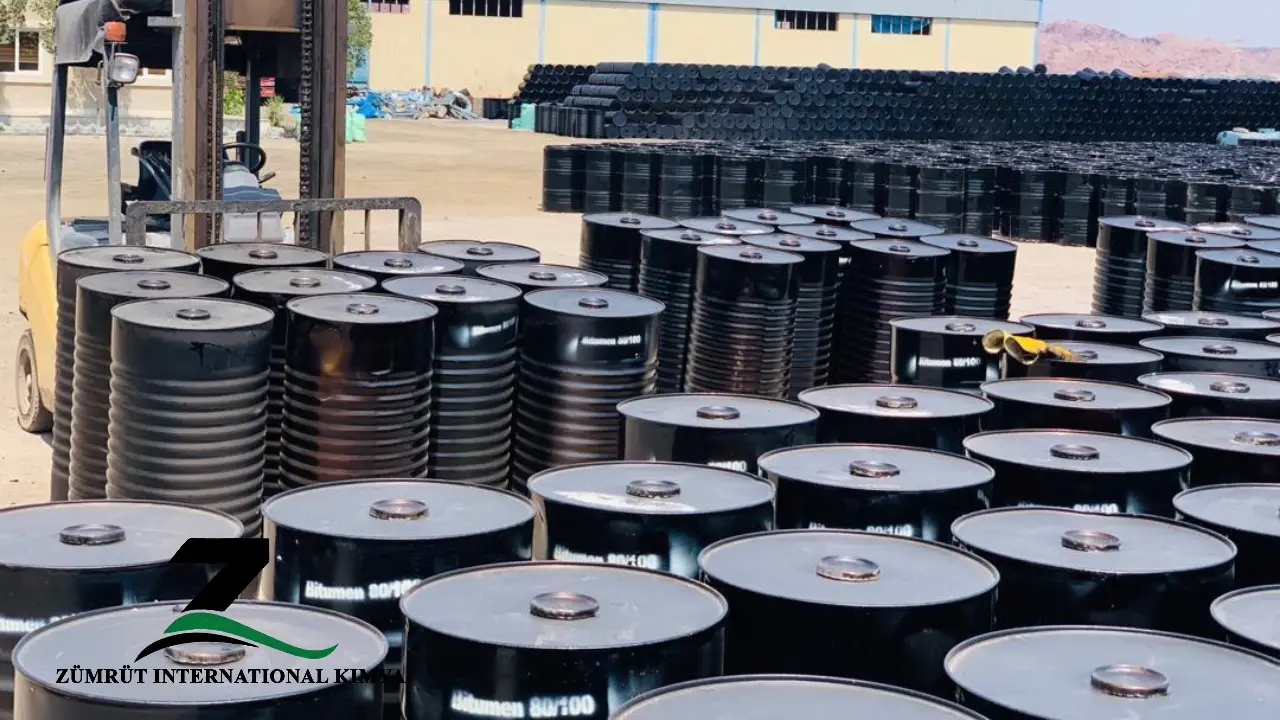
- Bitumen and Its Different Grades
- Which grade of bitumen is most important in Libya
- Jumbo Bag and Drum Packaging for Bitumen Grades 60/70 and 80/100 for Libya
- Key Ports for Bitumen Grades Libya Discharge
- Domestic and foreign Bitumen Supplier Libya
- Bitumen penetration grade specifications 60/70, 80/100, 40/50 for Libya
Bitumen and Its Different Grades
What is Bitumen?
Bitumen is a viscous, black, and sticky petroleum-based material primarily used in road construction, waterproofing, and industrial applications. It is produced through the distillation of crude oil and is known for its waterproofing, adhesive, and durability properties.
Different Grades of Bitumen
Bitumen is classified based on its penetration value, viscosity, or performance under specific conditions. The most common types include:
- Penetration Grade Bitumen (Most Common for Roads)
Classified by penetration value (hardness level) measured in 0.1 mm units.
The lower the penetration number, the harder and more durable the bitumen.
Common grades & uses:
– Bitumen 40/50 → Heavy-duty roads, airport runways
– Bitumen 60/70 → Highways, expressways (best for tropical climates)
– Bitumen 80/100 → Provincial & city roads, waterproofing - Viscosity Grade Bitumen (VG)
Classified by viscosity at 60°C (better for temperature variations).
Used in hotter climates and industrial applications.
Common grades:
– VG-10 → Low-traffic roads, spraying applications
– VG-30 → Highways & urban roads (widely used in India & hot climates)
– VG-40 → Heavy-duty pavements & industrial use - Performance Grade (PG) Bitumen
Designed to withstand specific temperature ranges.
Used in regions with extreme temperature fluctuations.
Example: PG 64-22 (can handle +64°C max and -22°C min temperatures). - Oxidized (Blown) Bitumen
Produced by blowing air into hot bitumen, making it harder & more resistant to aging.
Used for roofing, waterproofing, and industrial coatings.
Grades: Ranging from Bitumen 85/25 to 115/15. - Cutback Bitumen
Bitumen mixed with solvents (kerosene, diesel) for cold weather applications.
Used for road repair & spray sealing. - Emulsified Bitumen
Bitumen mixed with water & emulsifiers for cold applications.
Used in pothole repairs, surface treatments, and rural roads.
Choosing the Right Bitumen Grade
- Highways & heavy traffic roads → 60/70 or VG-30
- Urban roads & general paving → 80/100 or VG-10
- Roofing & waterproofing → Oxidized bitumen
- Cold weather construction → Cutback or Emulsified bitumen
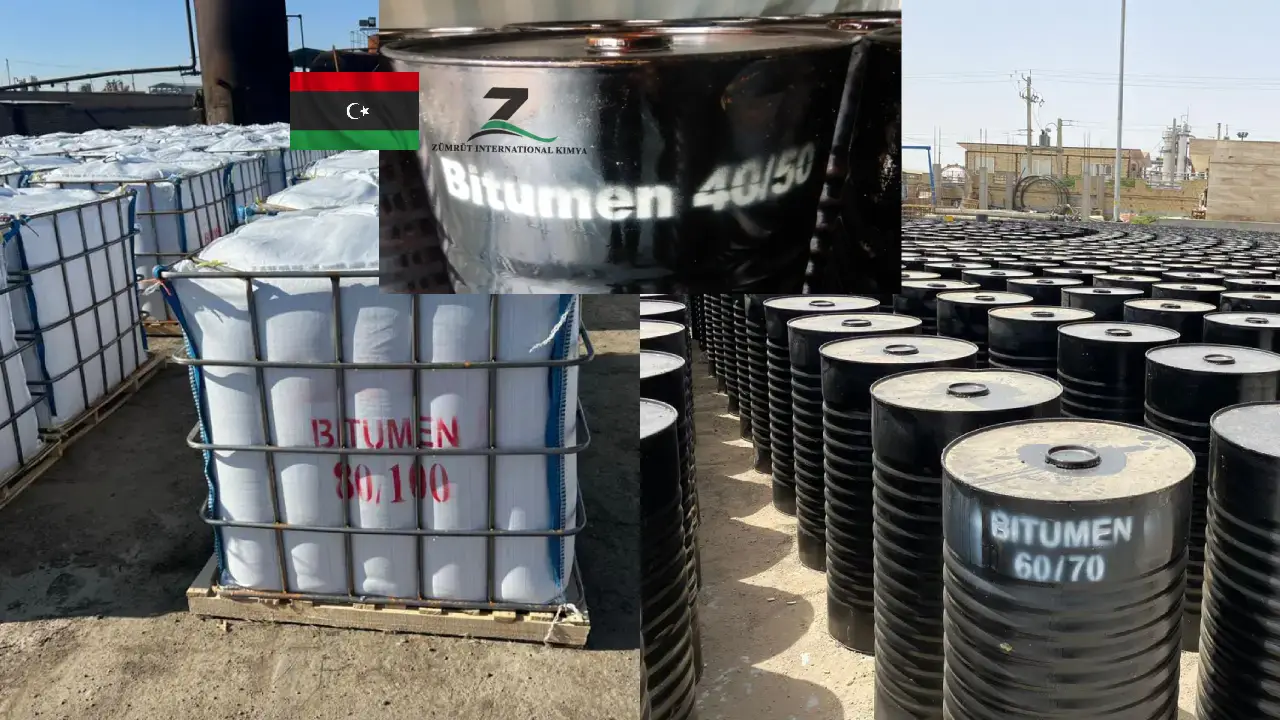
Which grade of bitumen is most important in Libya
In Libya, the most important and commonly used grade of bitumen is Bitumen 60/70.
Here’s why Bitumen 60/70 is significant in Libya:
Climate Suitability: Libya has a hot and dry climate. Bitumen 60/70, with its moderate penetration value, offers the right balance of hardness and flexibility for such high temperatures.
Road Construction: Most road construction and maintenance projects in Libya specify 60/70 penetration grade because it performs well under the heat and traffic conditions typical of the region.
Availability and Standards: This grade aligns with international specifications used in North African and Middle Eastern countries, making it easier for import and export within regional supply chains.
Other grades like 80/100 or 40/50 may be used for colder areas or special projects, but 60/70 is the dominant one for general infrastructure.
Jumbo Bag and Drum Packaging for Bitumen Grades 60/70 and 80/100 for Libya
Bitumen 60/70-80/100 in 1 MT Jumbo Bag with a steel cage and pallet: Loading 20 MT in 20 ft Container
Bitumen 60/70 in 1200 KG Jumbo Bag : Loading 24 MT in 40 ft Container
Bitumen 60/70 in 1300 Kg Jumbo Bag: Loading 26 MT in 40 ft Container
Bitumen 60/70 in 300 Kg BituBag: Loading 24 MT in 20 ft Container
Bitumen 60/70-80/100 in 180kg New Steel Drum: Loading 110 Drum in 20 ft = 20 Ton
Key Ports for Bitumen Grades Libya Discharge
Key Ports for Bitumen Discharge in Libya:
- Tripoli Port (Port of Tripoli)
Location: Northwestern Libya
Most important commercial port
Handles bulk and drum bitumen shipments.
Well-connected to road projects in Tripoli and nearby regions. - Misurata Port (Port of Misurata)
Location: Central coast of Libya
Highly developed and modern infrastructure
Free zone available for logistics and industrial use.
Frequently used for bulk cargo including bitumen in containers and tankers. - Benghazi Port
Location: Eastern Libya
Key for projects in the east (Benghazi, Al Bayda, Tobruk).
Bitumen often used here for road rehabilitation and infrastructure growth. - Khoms Port
Location: West of Misurata
Smaller than Tripoli or Misurata but strategically important for nearby inland projects.
Often used when Tripoli is congested.
Domestic and foreign Bitumen Supplier Libya
- Zawiya Oil Refinery (Owned by National Oil Corporation – NOC)
Location: Zawiya, west of Tripoli
Produces limited quantities of road bitumen (penetration grade).
Mostly used for local government infrastructure projects.
Not reliable for large-scale private sector needs due to frequent production disruptions. - Sarir and Ras Lanuf Refineries
Occasionally produce bitumen, but mostly focus on other petroleum products.
Supply is not stable and rarely available for commercial sale.
Conclusion: Most Libyan contractors and infrastructure companies rely on imports due to lack of consistent domestic supply.
International Bitumen Supplier Libya
International supplier of bitumen from Libya By choosing Zumrut International Kimya, you benefit from lasting quality, professional service, and unparalleled expertise in bitumen supply. We are committed to sustainability, innovation, and customer satisfaction, continuously striving to deliver cutting-edge solutions in the bitumen industry.
🔹 Zumrut International Kimya is fully prepared to supply and deliver various grades of bitumen on CIF and CFR terms to various Libya ports, .🔹
Bitumen penetration grade specifications 60/70, 80/100, 40/50 for Libya
| Property | Bitumen 40/50 | Bitumen 60/70 | Bitumen 80/100 | Test Method |
| Penetration (25°C, 100g, 5s) (0.1 mm) | 40 – 50 | 60 – 70 | 80 – 100 | ASTM D5 |
| Softening Point (°C) | 50 – 58 | 48 – 56 | 45 – 52 | ASTM D36 |
| Ductility (25°C, cm) | >100 | >100 | >100 | ASTM D113 |
| Specific Gravity @ 25°C | 1.01 – 1.06 | 1.01 – 1.06 | 1.01 – 1.06 | ASTM D70 |
| Flash Point (°C, min) | 250 | 230 | 225 | ASTM D92 |
| Loss on Heating (% max) | 0.5 | 0.5 | 0.5 | ASTM D6 |
| Solubility in Trichloroethylene (% min) | 99 | 99 | 99 | ASTM D2042 |
| Viscosity @ 135°C (cSt) | 400 – 600 | 200 – 400 | 150 – 300 | ASTM D2170 |
| Spot Test | Negative | Negative | Negative | AASHTO T102 |