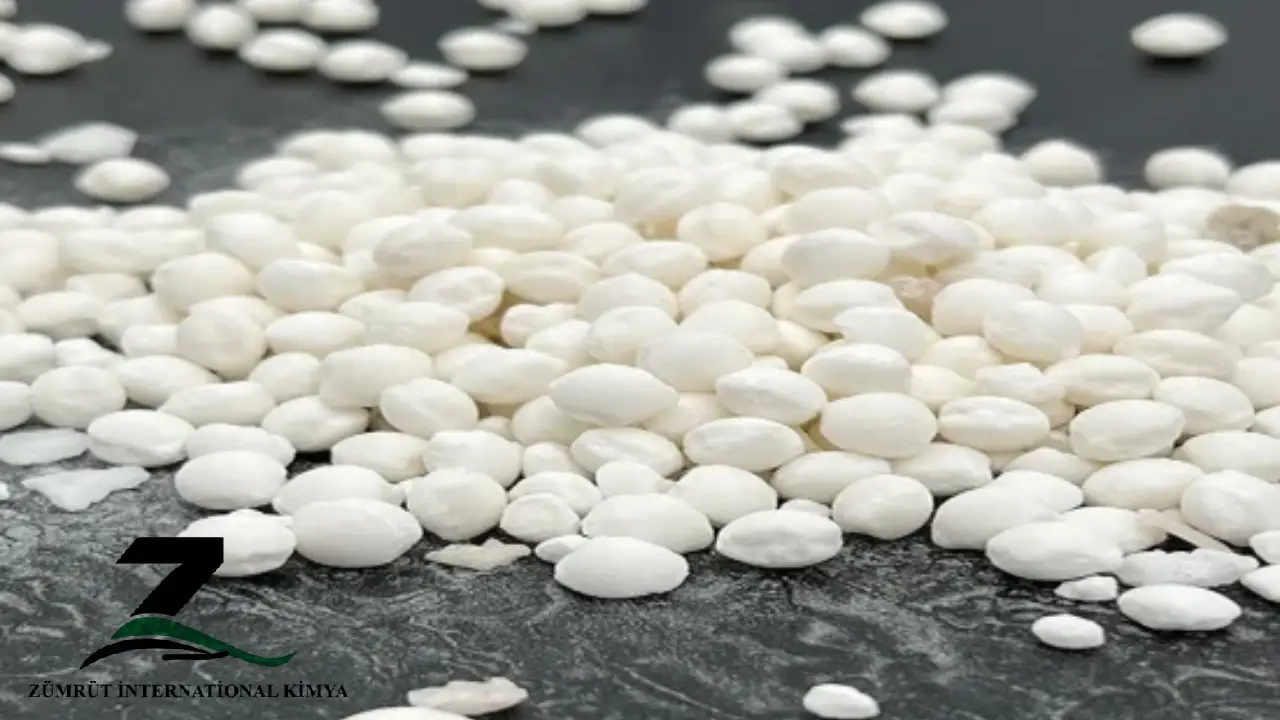
All About Calcium Chloride (CaCl₂)
Calcium chloride (CaCl₂) is a highly versatile chemical compound with extensive applications across various industries. Here’s an in-depth look at its properties, uses, production, and environmental impact.
Chemical and Physical Properties
Formula: CaCl₂
Molecular Weight: 110.98 g/mol
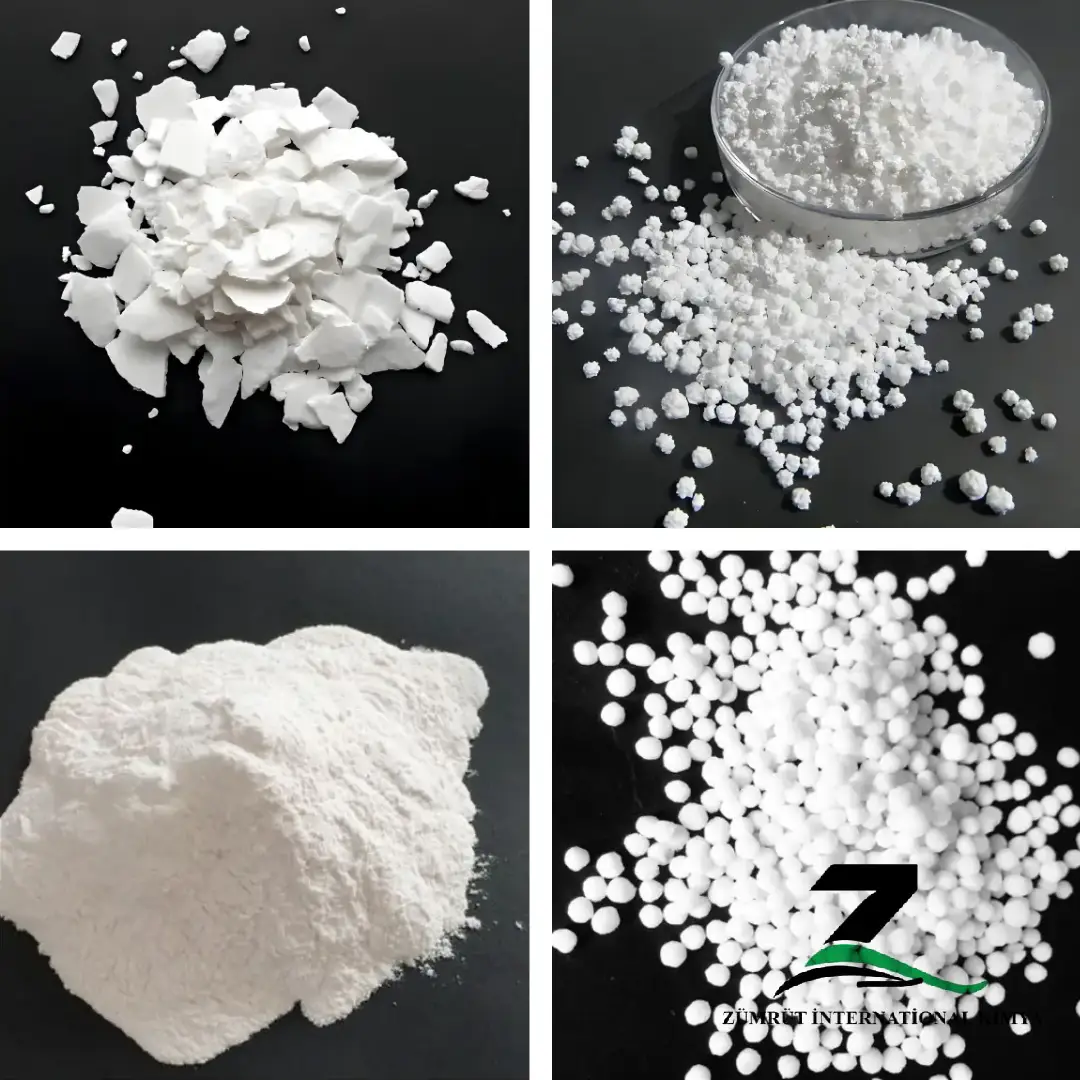
Appearance: White crystalline solid or flakes.
Solubility: Highly soluble in water and hygroscopic (absorbs moisture from the air).
Melting Point: ~772°C (anhydrous form).
Boiling Point: ~1,935°C.
Forms:
Anhydrous: Contains no water molecules.
Hydrated: Common forms include dihydrate (CaCl₂·2H₂O) and hexahydrate (CaCl₂·6H₂O).
Production Methods
Calcium chloride is typically produced via:
Reaction of Limestone with Hydrochloric Acid:
CaCO₃+2HCl→CaCl₂+CO₂+H₂OCaCO₃+2HCl→CaCl₂+CO₂+H₂O
Byproduct in Solvay Process: It is a byproduct of the manufacture of sodium carbonate (soda ash).
Extraction from Natural Brine: Brine sources rich in calcium salts are processed to extract calcium chloride.
Applications of Calcium Chloride
a. Industrial Uses
- Deicing and Dust Control:
– Lowers the freezing point of water, making it an effective deicing agent for roads and sidewalks.
Controls dust on roads and construction sites.
– Concrete Accelerator:
Speeds up the setting time of concrete in cold weather.
- Desiccant:
– Used to absorb moisture in industrial and domestic settings (e.g., drying tubes, packaging).
- Preservative and Firming Agent:
– Maintains the firmness of vegetables and fruits during processing.
- Electrolyte:
– Used in sports drinks and as a calcium supplement in food.
- Softening Agent:
– Removes impurities and hardness from water by precipitating magnesium and carbonate ions.
d. Metallurgical Industry
– Acts as a flux, desiccant, and heat transfer medium in metal refining and processing.
e. Oil and Gas Industry
– Increases the density of drilling fluids for stabilizing wellbores.
- Completion Fluid:
– Provides pressure control in oil wells.
f. Agriculture
- Soil Amendment:
– Improves soil structure and addresses calcium deficiencies.
- Crop Preservation:
– Extends the shelf life of fruits and vegetables.
Advantages of calcium chloride
- High Efficiency: Works effectively as a deicing agent and moisture absorber.
- Eco-Friendliness: Naturally occurring in brine sources; less harmful than other chemical alternatives.
- Cost-Effective: Readily available and affordable in many industrial applications.
Calcium Chloride in Metallurgy
Calcium chloride (CaCl₂) is a vital compound in metallurgical processes due to its diverse properties and functionalities. Here’s how it is utilized in metallurgy:
Key Benefits of Calcium Chloride in Metallurgy
- Enhances process efficiency by reducing energy and resource requirements.
- Improves the quality of finished metals.
- Reduces costs by optimizing process parameters.
- Supports environmentally friendly operations through effective waste management.
Flux Agent
- Role: Calcium chloride is commonly used as a flux to lower the melting points of metal ores and slags.
- Purpose: It aids in the removal of impurities and facilitates the smelting of metals like aluminum and magnesium.
- Advantages:
Enhances energy efficiency.
Reduces processing temperatures, saving energy costs.
Desiccant and Moisture Control
- Role: CaCl₂ is an excellent desiccant, used to control moisture during metal processing and storage.
- Purpose: Protects metals from corrosion and oxidation.
- Advantages:
Maintains the quality of raw and finished metals.
Prevents moisture-induced defects in metal structures.
Ore Purification
- Role: Used in the leaching and purification of metal ores.
- Purpose: It helps separate valuable metals from impurities.
- Advantages:
Produces purer metals for industrial use.
Enhances efficiency in refining processes.
Chlorination Process
- Role: Calcium chloride is used in the chlorination of metals to produce metal chlorides, a critical step in metallurgical processes.
- Purpose: These chlorides serve as intermediates or final products in metal extraction.
- Example: In titanium production, metal chlorides are essential for converting ores to usable forms.
Heat Transfer Medium
- Role: CaCl₂ serves as a heat transfer agent in high-temperature metallurgical operations.
- Purpose: Provides consistent thermal management in processes like smelting and refining.
- Advantages:
Improves operational stability.
Ensures uniform heat distribution in furnaces.
Deoxidation and Degassing
- Role: Acts as a deoxidizing and degassing agent in metals like steel and cast iron.
- Purpose: Removes dissolved gases and oxygen, preventing structural weaknesses.
- Advantages:
Produces higher-quality alloys.
Reduces the likelihood of defects in final products.
Environmental Applications
- Role: Used in waste treatment and neutralization of acidic byproducts.
- Purpose: Helps mitigate the environmental impact of metallurgical activities.
- Advantages:
Promotes sustainable metallurgical practices.
Ensures compliance with environmental regulations.