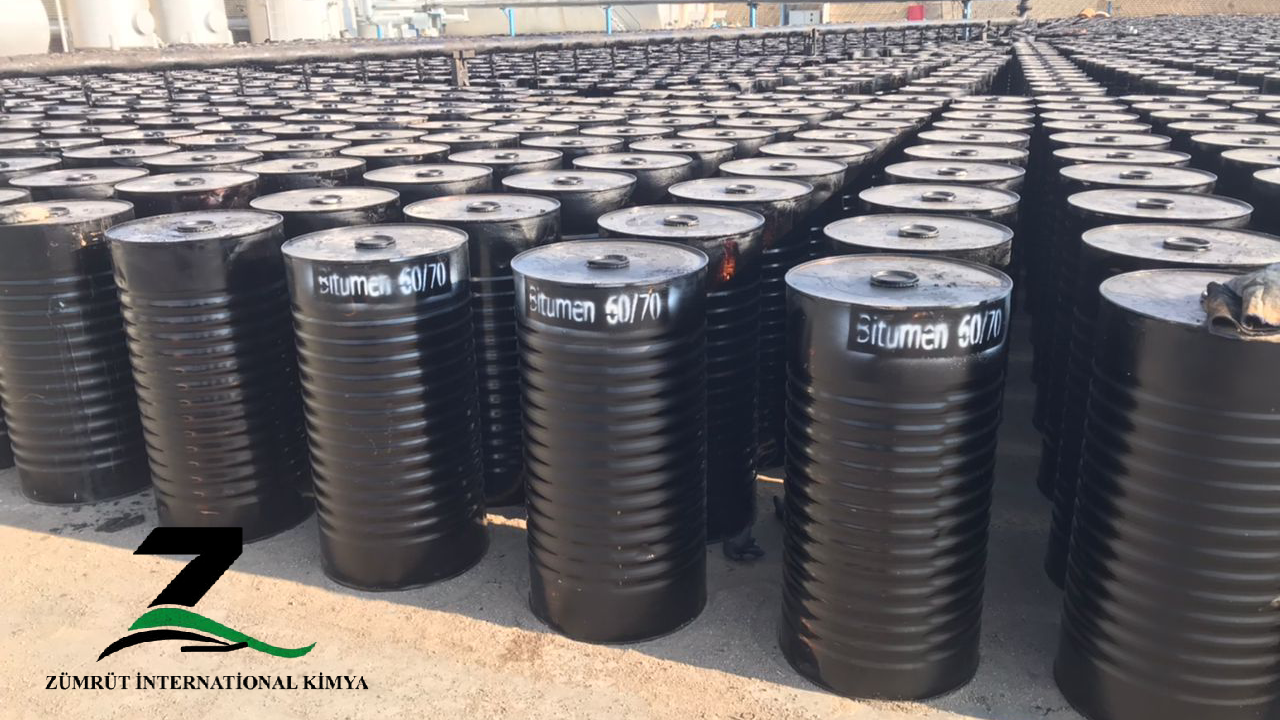
Brief explanation about bitumen 60/70
Asphalt 60/70 is a penetration-grade bitumen commonly used in road construction and asphalt pavements. The numbers 60/70 refer to its penetration value, which indicates the hardness and consistency of the bitumen. This means that a standard needle penetrates the bitumen sample between 60 to 70 deci-millimeters under specific conditions.
Key Properties of Asphalt 60/70
- Softening Point: Ranges between 49–56°C, meaning it remains stable under high temperatures.
- Penetration Grade: 60 to 70, indicating moderate hardness suitable for asphalt applications.
- Viscosity: Ensures proper adhesion and durability in road construction.
- Application: Used in hot mix asphalt (HMA), waterproofing, and roofing
Applications of Bitumen 60/70:
- Road Construction: Used in hot mix asphalt (HMA) for highways, runways, and urban roads.
- Waterproofing: Applied in roofing and foundation sealing.
- Industrial Uses: In pipe coatings and insulation.
The Importance of Using Asphalt 60/70 in Developed West African Countries
Asphalt 60/70 plays a crucial role in infrastructure development across developed West African countries, where road construction is a key part of economic growth. Given the tropical climate, heavy rainfall, and increasing traffic loads, using the right bitumen grade is essential for long-lasting and durable roads.
Key Reasons for Using Bitumen 60/70 in West Africa:
- Ideal for Tropical Climate
West Africa experiences high temperatures and seasonal heavy rains.
Bitumen 60/70 has a high softening point (49–56°C), making it resistant to heat deformation.
It remains flexible enough to prevent cracks during temperature fluctuations. - Enhancing Road Durability
With rapid urbanization and economic expansion, roads must withstand increasing traffic loads.
Bitumen 60/70 ensures strong adhesion to aggregates, reducing potholes and rutting.
Provides a smooth driving surface, reducing vehicle maintenance costs. - Cost-Effective and Sustainable
Asphalt 60/70 is widely available and affordable, making it a cost-efficient option for governments and contractors.
Reduces the need for frequent road repairs, leading to long-term savings.
Can be recycled, supporting sustainable infrastructure development. - Boosting Economic Growth
Reliable roads enhance trade, transportation, and connectivity.
Well-paved roads using Bitumen 60/70 improve access to markets, healthcare, and education.
Facilitates the movement of goods, boosting regional and international trade. - Resistance to Water Damage
Many West African countries experience heavy rainfall, which can weaken roads.
Asphalt 60/70 provides excellent waterproofing properties, preventing water infiltration and extending pavement lifespan.
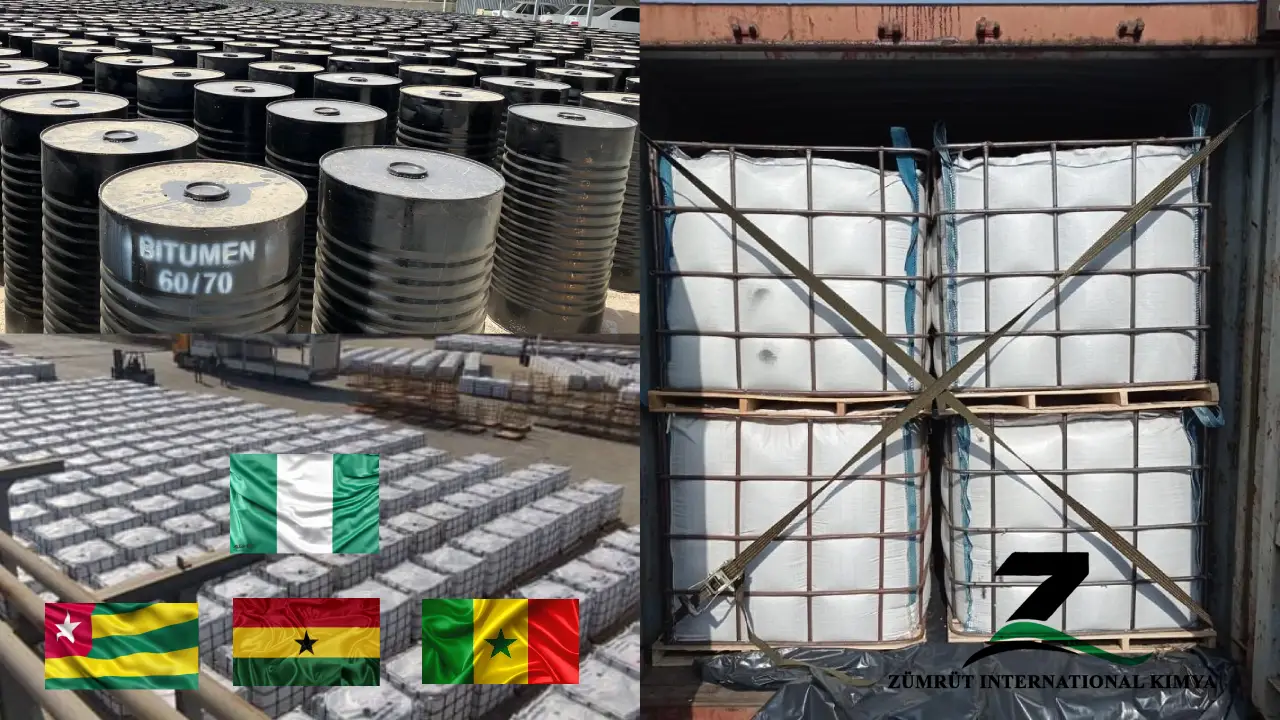
Developed West African Countries and Their Important Ports for Transporting Bitumen 60/70
Bitumen 60/70 is widely used in developed West African countries for road construction, and efficient transport is essential for meeting infrastructure demands. Several major ports in these countries serve as key hubs for importing and distributing bitumen across the region.
- Nigeria
Key Port: Lagos Port Complex (Apapa & Tin Can Island Port) - Ghana
Key Port: Tema Port & Takoradi Port - Ivory Coast (Côte d’Ivoire) 🇨🇮
Key Port: Port of Abidjan - Senegal
Key Port: Port of Dakar - Cape Verde
Key Port: Porto Grande (Mindelo) - Togo
Key Port: Port of Lomé - Benin
Key Port: Cotonou Port
Asphalt 60/70 Specifications
| Bitumen 60/70 | Test method | Unit | Specification |
| Specific gravity @ 25°C | ASTM D70 | Kg/cm3 | 1.01/1.06 |
| Penetration @ 25°C | ASTM D5 | mm/10 | 60/70 |
| Softening point °C | ASTM D36 | °C | 49/56 |
| Ductility @25 °C | ASTM D113 | cm | 100 min |
| Loss on heating(wt) % | ASTM D6 | wt % | 0.2 max |
| Drop in penetration after heating % | ASTM D5-D6 | % | 20 max |
| Flashpoint °C | ASTM D92 | °C | 232 min |
| Solubility in Trichloroethylene | ASTM D2042 | wt % | 99 min |
| Spot test | A.A.S.H.O.T102 | Negative |