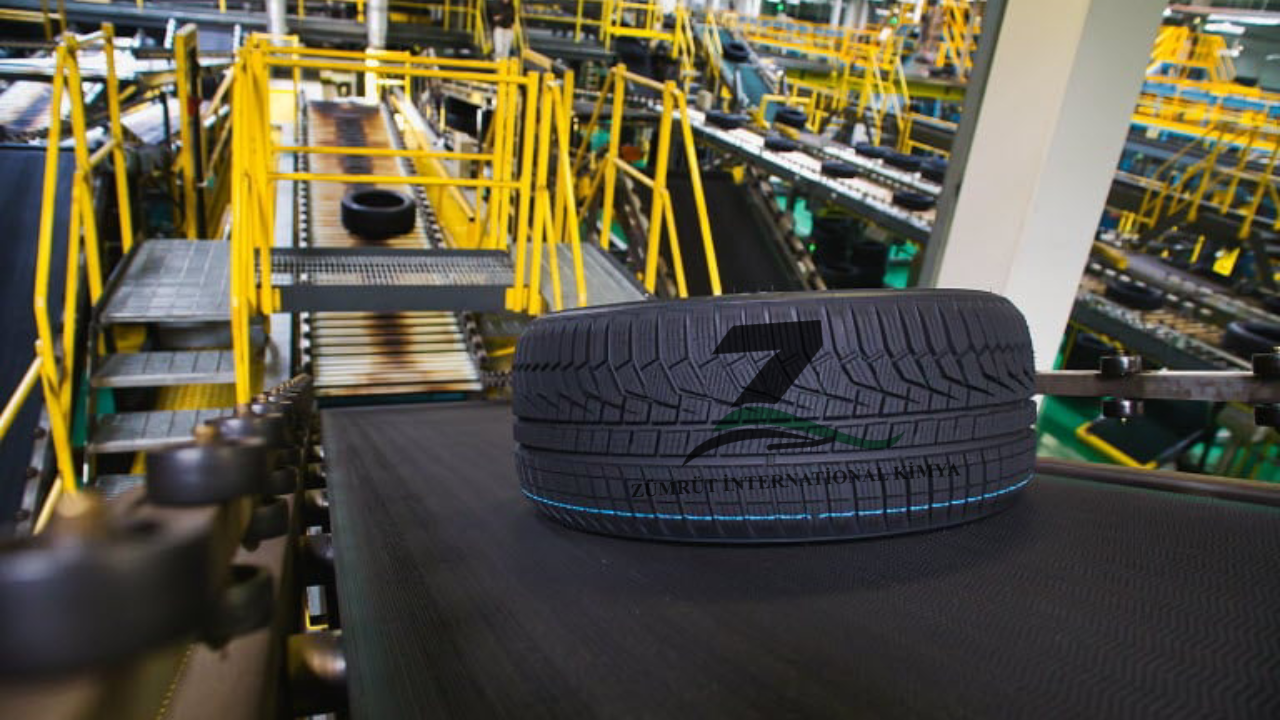
Styrene Butadiene Rubber (SBR) Definition
Styrene Butadiene Rubber (SBR) is a synthetic rubber composed of styrene and butadiene monomers. It is one of the most widely used types of synthetic rubber due to its excellent abrasion resistance, aging stability, and good performance in a wide temperature range. SBR is commonly used in the manufacture of car tires, conveyor belts, gaskets, and various other rubber products. Its properties can be tailored by adjusting the ratio of styrene to butadiene and through various vulcanization processes.
Styrene Butadiene Rubber (SBR) Applications
Styrene Butadiene Rubber (SBR) is used in a wide range of applications due to its versatile properties. Some common applications include:
- Tires : SBR is extensively used in the manufacture of automobile and truck tires, providing good abrasion resistance and durability.
- Footwear : It is used in shoe soles and other footwear components for its flexibility and wear resistance.
- Automotive Parts : SBR is used in various automotive components such as gaskets, hoses, and seals.
- Industrial Goods : It is used in conveyor belts, industrial hoses, and rubber mats due to its resilience and durability.
- Adhesives and Sealants : SBR is a component in many adhesives and sealants, offering good adhesion and flexibility.
- Construction Materials : It is used in roofing membranes, waterproofing systems, and sealants for its waterproofing and sealing properties.
- Sports Equipment : SBR is used in the manufacture of various sports equipment like golf balls and shoe soles due to its impact resistance and durability.
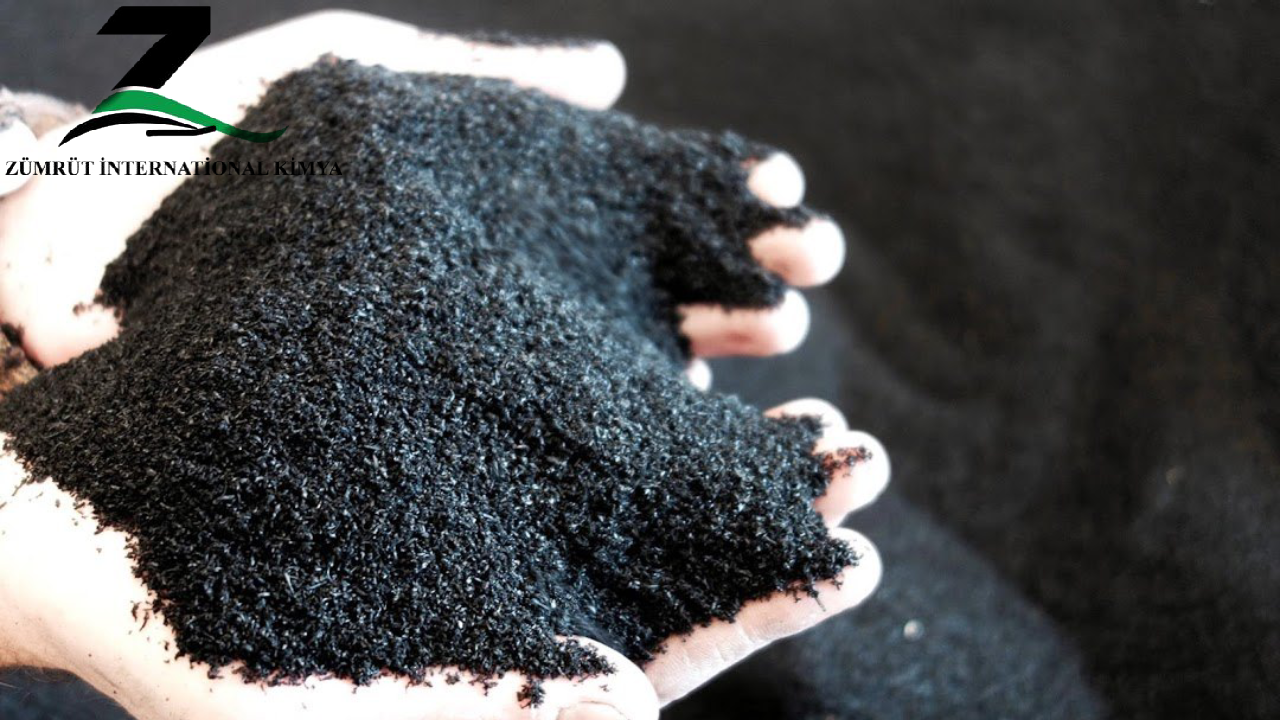
Styrene Butadiene Rubber (SBR) CHARACTERISTICS
Styrene Butadiene Rubber (SBR) possesses several key characteristics that make it a popular material in various applications:
- Abrasion Resistance : SBR has excellent wear and tear resistance, making it suitable for high-friction applications like tires and conveyor belts.
- Flexibility : It maintains good flexibility over a wide range of temperatures, from very cold to hot environments.
- Aging Stability : SBR resists aging and weathering, especially when blended with antioxidants and other stabilizers.
- Tensile Strength : It has good tensile strength, which contributes to its durability and resistance to mechanical stress.
- Heat Resistance : While not as heat-resistant as some other rubbers, SBR can withstand moderate temperatures, making it suitable for various industrial applications.
- Water Resistance : SBR exhibits good water resistance, making it useful in waterproofing applications and products exposed to moisture.
- Versatility : The properties of SBR can be adjusted by varying the styrene to butadiene ratio, allowing for customization for specific applications.
- Low Cost : SBR is relatively inexpensive to produce, contributing to its widespread use in cost-sensitive applications.
- Good Adhesion : It adheres well to other materials, which is beneficial in the production of composites and laminates.
- Electrical Insulation : SBR has good electrical insulating properties, making it suitable for some electrical applications.
| Molar mass Mn, g/mol |
200000 |
|---|---|
| Molar mass Mw, g/mol | 420000 |
| Mw / Mn | 2.1 |
| Styrene content , % | 18 |
| Cis- 1,4- content, % | 35 |
| Trans- 1,4 -content, % | 54 |
| 1,2- content ,% | 11 |
| Glass Transition temperature Tg, C | -69.7 |