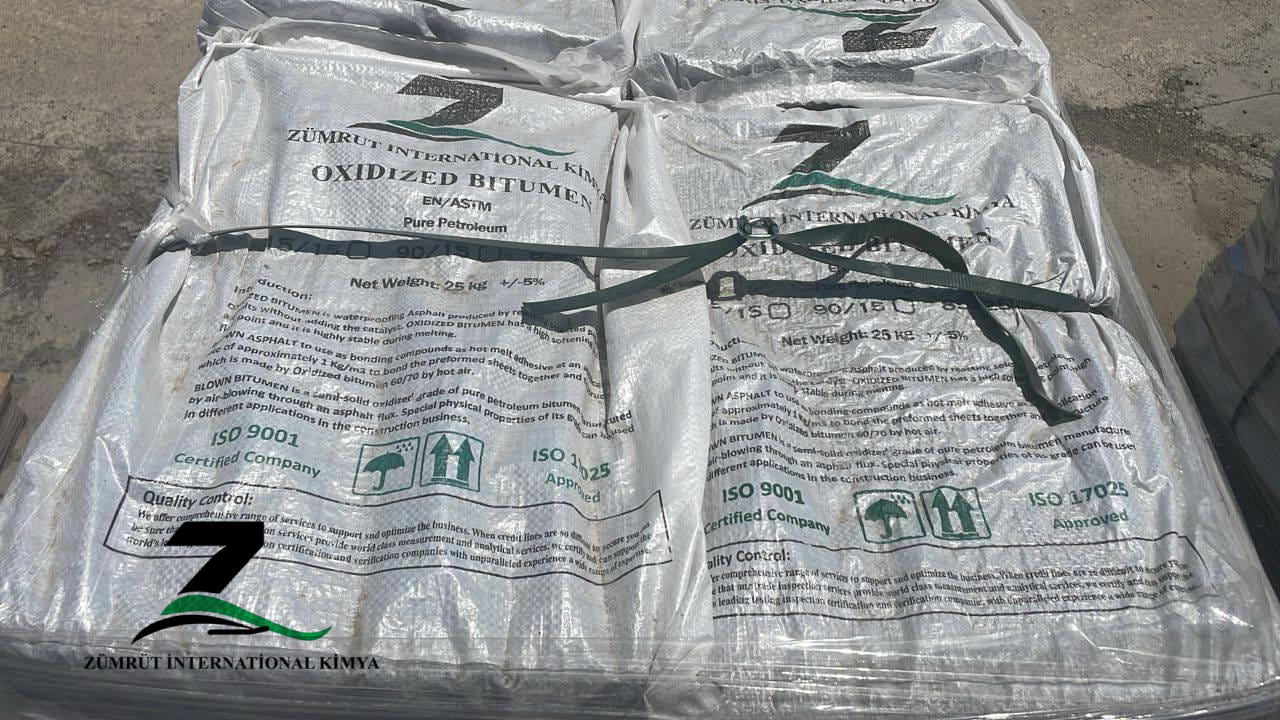
- Complete Explanation About Oxidation Bitumen
- Packaging & Handling
- Which grades of oxidized bitumen are most commonly used in the UAE
- The key importance of Oxidized Bitumen UAE
- Packaging for Oxidized Bitumen Grades in the UAE
- Key Ports for Oxidized Bitumen Supplier Grades Discharge in the UAE
- Domestic and foreign Oxidized Bitumen UAE
- Specifications of Oxidized Bitumen with Grades 115/15, 85/25, 90/40 for the UAE
Complete Explanation About Oxidation Bitumen
What is Oxidation Bitumen?
Oxidation bitumen, also known as blown bitumen or oxidized bitumen, is a type of bitumen that has been treated with air (oxygen) at high temperatures to modify its physical properties. The result is a bitumen that is harder, more durable, and more resistant to temperature fluctuations, making it ideal for specific industrial uses.
How is Oxidation Bitumen Produced?
Production Process:
- Base Material: The process starts with vacuum residue (a heavy bitumen) from crude oil distillation.
- Heating: The base bitumen is heated to 240–300°C in a reactor.
- Air Blowing: Dry air (or oxygen) is blown through the hot bitumen via spargers (pipes with small holes at the bottom of the reactor).
- Oxidation Reaction: The oxygen reacts with bitumen’s hydrocarbons, especially asphaltenes and resins, forming complex oxygen-containing polymers.
- Cooling and Storage: The oxidized bitumen is then cooled and stored in drums, blocks, or bulk tanks.
This process increases softening point and viscosity, and reduces penetration.
Key Properties of Oxidized Bitumen
Property /Description
- Softening Point Higher than regular bitumen (typically 85–150°C depending on grade)
- Penetration Lower penetration (harder material), measured in 0.1 mm
- Viscosity Much higher viscosity—more stable at elevated temperatures
- Ductility Reduced ductility; it becomes brittle in cold conditions
- Thermal Stability Excellent; doesn’t flow or drip under high heat
- Water Resistance High water resistance and impermeability
Common grades include 85/25, 90/40, 115/15, 150/5, etc., where the first number is the softening point (°C) and the second is the penetration (dmm).
Applications of Oxidized Bitumen
Oxidized bitumen is used where heat resistance and durability are essential:
Industrial Uses
- Roofing membranes
- Waterproofing of foundations and basements
- Pipe coatings
- Electrical cable joint insulation
- Battery sealing compounds
- Carpet backing
- Rust-proofing and anticorrosive coatings
Construction Uses
- Expansion joints and crack sealants in concrete
- Underlayments for waterproofing
- Sealants in bridge construction
Advantages of Oxidized Bitumen
- High temperature resistance
- Improved adhesion to various substrates
- Stable in storage and application
- Excellent resistance to aging and UV
- Low volatility
Limitations
- Less flexible in cold climates (can crack)
- Not suitable for hot mix asphalt (due to reduced ductility)
- Higher production energy cost due to air blowing
Packaging & Handling
Usually packaged in:
- Kraft paper bags
- PP bags
- Cartons
- Drums
- Blocks or in bulk (for industrial-scale use)
Which grades of oxidized bitumen are most commonly used in the UAE
In the UAE, the most commonly used grades of oxidized bitumen (also known as blown bitumen) are:
- Grade 85/25
Softening Point: ~85°C
Penetration: ~25 dmm
Use: Waterproofing, pipe coating, roofing membranes - Grade 90/40
Softening Point: ~90°C
Penetration: ~40 dmm
Use: Road construction (as an additive), roofing, and sealing applications - Grade 115/15
Softening Point: ~115°C
Penetration: ~15 dmm
Use: Electrical cable coatings, industrial flooring, and insulation
The key importance of Oxidized Bitumen UAE
- Essential for Waterproofing & Insulation
Oxidized bitumen is widely used in roofing membranes, basement waterproofing, and damp-proof courses, making it a critical material for protecting buildings in the UAE’s harsh, arid climate. - High-Temperature Resistance
Due to the UAE’s extreme summer temperatures, oxidized bitumen is preferred over penetration-grade bitumen for its higher softening point and thermal stability, ensuring long-term performance. - Industrial Applications
Vital in pipe coatings, cable manufacturing, flooring compounds, and sealants, supporting the UAE’s fast-growing industrial and energy sectors. - Durability in Harsh Environments
Offers strong resistance to oxidation, aging, and chemical attacks, making it suitable for both coastal and desert environments. - Infrastructure Development
Integral to road maintenance, bridge joints, and airport runways where flexible, long-lasting sealing and waterproofing are required. - Compliance with International Standards
Oxidized bitumen used in the UAE generally complies with ASTM or EN standards, supporting the country’s push toward high-quality, globally benchmarked construction practices.
Packaging for Oxidized Bitumen Grades in the UAE
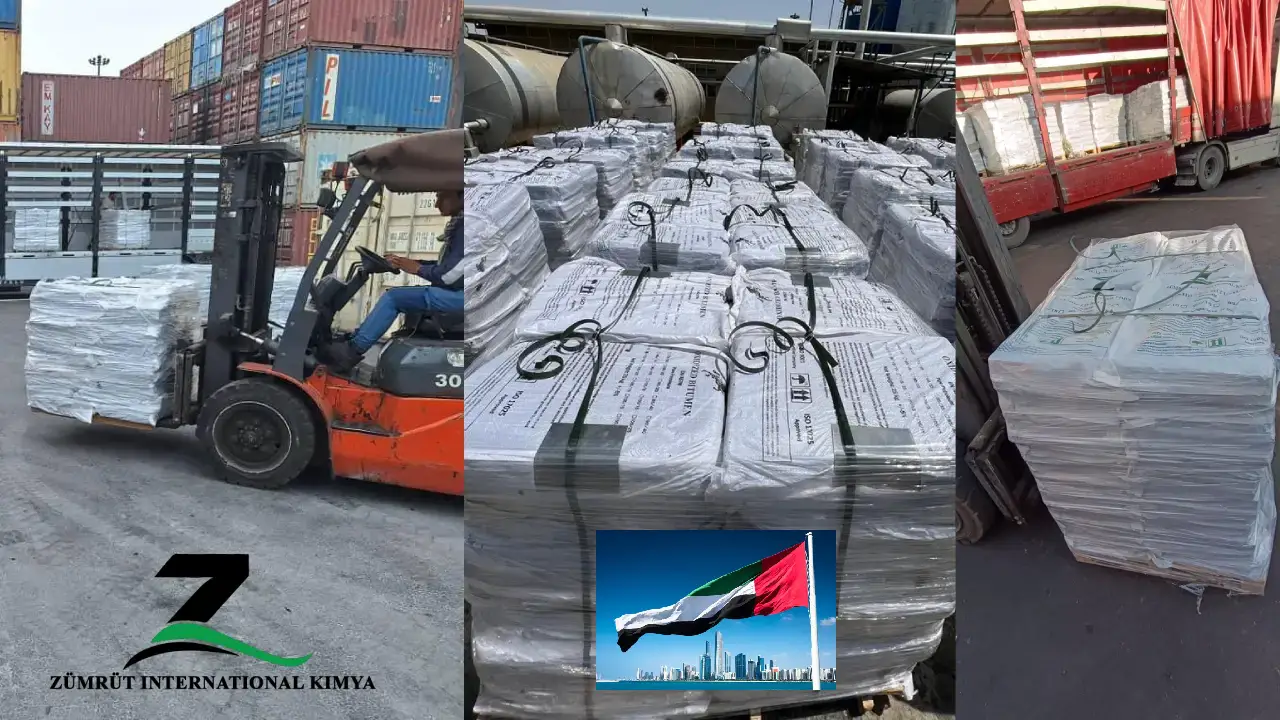
To meet the needs of the UAE market, Oxidized Bitumen Supplier UAE is typically offered in packaging that ensures safe handling, easy transportation, and protection against the country’s humid and rainy climate. The most common packaging types include:
- Kraft Paper Bags (Block Form)
Weight: 25 kg and 50 kg blocks
Description: The oxidized bitumen is molded into solid blocks and wrapped securely in heavy-duty kraft paper.
Usage: Ideal for small to medium-sized construction projects requiring easy manual handling. - Polyethylene (PE) Bags
Weight: 25 kg and 50 kg blocks
Description: Solid bitumen blocks are wrapped in a PE plastic bag to protect them from moisture during storage and transport, critical for the UAE’ humid environment. - Cartons and Palletized Blocks
Weight: 25 kg blocks placed in cartons
Description: Cartons offer an extra layer of protection and make stacking more stable during shipping. Often loaded onto wooden or plastic pallets for bulk deliveries.
Description: Oxidized bitumen in larger block forms packed into strong, UV-resistant jumbo bags for high-volume users.
Key Ports for Oxidized Bitumen Supplier Grades Discharge in the UAE
- Jebel Ali Port – Dubai
Main hub for imports of oxidized bitumen in drums, jumbo bags, or bulk.
Largest and most advanced port in the region.
Strategic location for re-export to GCC, Africa, and South Asia. - Khor Fakkan Port – Sharjah
Deepwater port on the Gulf of Oman.
Ideal for transshipment and bulk bitumen imports.
Often used by suppliers serving the Northern Emirates. - Port of Fujairah
Major terminal for bulk liquid and oil-based materials.
Especially relevant for bitumen in bulk or tankers.
Located outside the Strait of Hormuz, ensuring continuous access. - Sharjah Port (Khalid Port)
Handles smaller shipments of oxidized bitumen for local contractors and manufacturers.
Close proximity to industrial areas. - Mina Zayed – Abu Dhabi
Occasionally used for construction-related imports, including specialty bitumen grades for government infrastructure projects.
Domestic and foreign Oxidized Bitumen UAE
The UAE has a well-developed oil refining industry, and many refineries produce oxidized bitumen for domestic use. This product is mainly used in the construction sector for road paving, waterproofing membranes, and other applications that require enhanced durability. Local production ensures a steady supply for the construction boom that the UAE is known for.
International Oxidized Bitumen Supplier UAE
International supplier of Oxidized bitumen from UAE By choosing Zumrut International Kimya, you benefit from lasting quality, professional service, and unparalleled expertise in Oxidized Bitumen supply. We are committed to sustainability, innovation, and customer satisfaction, continuously striving to deliver cutting-edge solutions in the Oxidized Bitumen industry.
🔹 Zumrut International Kimya is fully prepared to supply and deliver various grades of Oxidized Bitumen on CIF and CFR terms to various UAE ports, .🔹
Specifications of Oxidized Bitumen with Grades 115/15, 85/25, 90/40 for the UAE
| Property | Grade 115/15 | Grade 85/25 | Grade 90/40 |
| Softening Point (°C) | 110 – 120 | 80 – 90 | 85 – 95 |
| Penetration (dmm, 25°C) | 10 – 20 | 20 – 30 | 30 – 40 |
| Flash Point (°C) | ≥ 250 | ≥ 250 | ≥ 250 |
| Loss on Heating (%) | ≤ 0.5 | ≤ 0.5 | ≤ 0.5 |
| Solubility in Trichloroethylene (%) | ≥ 99.0 | ≥ 99.0 | ≥ 99.0 |
| Ductility @25°C (cm) | > 1.0 | > 1.5 | > 2.0 |
| Specific Gravity @25°C | 1.00 – 1.10 | 1.00 – 1.05 | 1.00 – 1.05 |
| Standard Compliance | ASTM D36 / EN 13304 | ASTM D36 / EN 13304 | ASTM D36 / EN 13304 |