- What is Liquid Paraffin
- Benefits of Liquid Paraffin for Hair
- Precautions and Side Effects
- The Science Behind Paraffin Oil: Enhancing Hair Health
- Applying Liquid Paraffin for Optimal Hair Benefits
- Environmental Impact and Safety of Using Paraffin Hair Products
- DIY Hair Treatments with Liquid Paraffin: Recipes for Shine and Strength
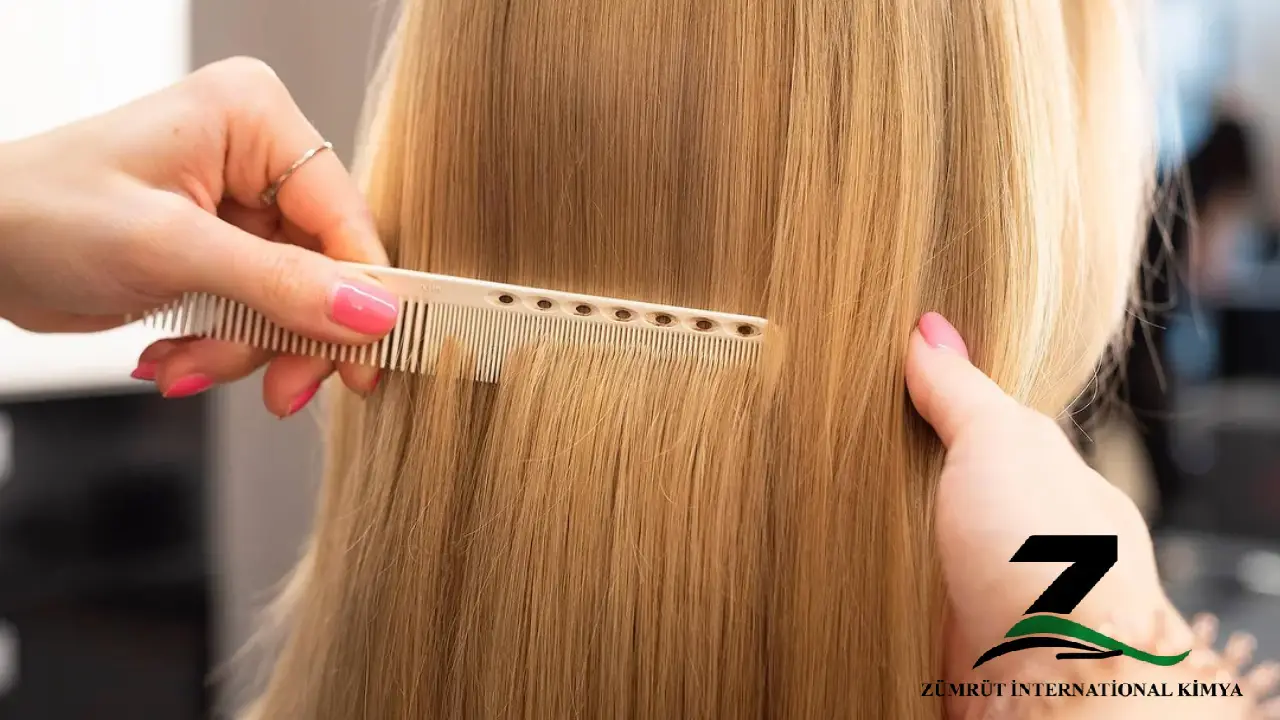
What is Liquid Paraffin
Liquid paraffin is a highly refined mineral oil derived from petroleum. It is colorless, odorless, and possesses excellent emollient properties, making it an ideal ingredient for hair products designed to moisturize and protect. Unlike other oils that might penetrate the hair shaft, liquid paraffin creates a protective layer over the hair, locking in moisture and nutrients.
Benefits of Liquid Paraffin for Hair
- Prevents Moisture Loss
– Forms a protective barrier on hair strands, reducing moisture evaporation.
– Ideal for dry, frizzy, and damaged hair. - Smooths and Softens Hair
– Helps tame flyaways and frizz, making hair appear shinier and more manageable.
– Reduces tangles by coating the strands. - Protects from Environmental Damage
– Shields hair from pollutants, heat, and harsh weather conditions.
– Reduces damage from styling tools and chemical treatments.
Prevents Scalp Dryness
– Soothes dry, itchy scalp by locking in hydration.
– Can be beneficial for conditions like dandruff or eczema when used correctly.
How to Use Liquid Paraffin for Hair
- As a Pre-Wash Treatment: Apply a small amount to dry hair, focusing on the ends. Leave it on for 30 minutes before washing with shampoo.
- As a Leave-In Conditioner: Rub a few drops between your palms and apply to damp hair for added shine and frizz control.
- For Scalp Hydration: Mix with other natural oils (e.g., coconut or castor oil) and gently massage into the scalp before bedtime.
Precautions and Side Effects
- Buildup Risk: Overuse can lead to residue buildup, making hair greasy and heavy. Regular shampooing is necessary.
- Clogged Scalp Pores: Avoid excessive application on the scalp, as it may trap dirt and oil, leading to scalp issues.
- Not Suitable for All Hair Types: Fine or oily hair types may find liquid paraffin too heavy.
The Science Behind Paraffin Oil: Enhancing Hair Health
Diving into the scientific aspects of paraffin oil reveals why it’s celebrated for its hair health-enhancing properties. This section explores the chemistry of paraffin oil, its interaction with hair structures, and its role in addressing common hair concerns. By understanding the science, users can better leverage paraffin oil’s benefits to achieve optimal hair health.
Applying Liquid Paraffin for Optimal Hair Benefits
Harnessing the full potential of liquid paraffin for hair requires knowledge and expertise. This guide provides a comprehensive overview of the best practices for applying liquid paraffin, ensuring users can achieve optimal hair health and aesthetic benefits. From preparation to application techniques, every step is crucial for maximizing the effectiveness of liquid paraffin in your hair care regimen.
Preparation for Application
- Choose the Right Product: Opt for high-quality, pharmaceutical-grade liquid paraffin to ensure purity and safety.
- Test for Sensitivity: Conduct a patch test on a small skin area to check for any adverse reactions before full application.
Application Techniques for Various Hair Types
- For Dry and Coarse Hair:
– Deep Conditioning Treatment: Warm a moderate amount of liquid paraffin and apply it evenly from the mid-lengths to the ends of damp hair. Cover with a shower cap and leave it for 30-60 minutes or overnight for deep penetration. Wash off with a gentle shampoo. - For Oily and Fine Hair:
– Light Conditioning: Apply a small quantity of liquid paraffin only to the ends of your hair. This method avoids the scalp area to prevent excess oiliness. - For Normal Hair:
– Regular Conditioning: Use liquid paraffin as a conditioning agent after shampooing. Apply lightly along the length of your hair, leave for a few minutes, and rinse thoroughly.
Innovative Application Methods
- As a Protective Layer Before Swimming: Apply liquid paraffin to your hair before swimming to protect it from chlorine and saltwater damage.
- Heat Protection: Before using heat styling tools, lightly coat your hair with liquid paraffin to shield it from heat exposure.
Tips for Maximizing Benefits
- Combine with Essential Oils: Enhance the moisturizing effects by mixing liquid paraffin with a few drops of your favorite essential oils.
- Avoid Overuse: Excessive use can lead to build-up. Use sparingly and ensure thorough washing with a clarifying shampoo when needed.
- Routine Incorporation: Regular use, as part of your hair care routine, can lead to significant improvements in hair texture and health over time.
Post-Application Care
- Thorough Cleansing: Ensure all residues are removed to prevent buildup, using a mild shampoo that cleans without stripping natural oils.
- Balanced Moisturizing: Follow up with a lightweight conditioner or a natural oil to maintain moisture balance without weighing hair down.
Effectively applying liquid paraffin can transform the health and appearance of your hair, providing deep moisture, protection, and shine. By following this expert guide, you can navigate the application process to harness the full spectrum of benefits offered by liquid paraffin. Whether you’re looking to revive dry, damaged hair or maintain the health of normal hair, incorporating liquid paraffin into your care routine can be a game-changer for achieving beautiful, resilient locks.
Environmental Impact and Safety of Using Paraffin Hair Products
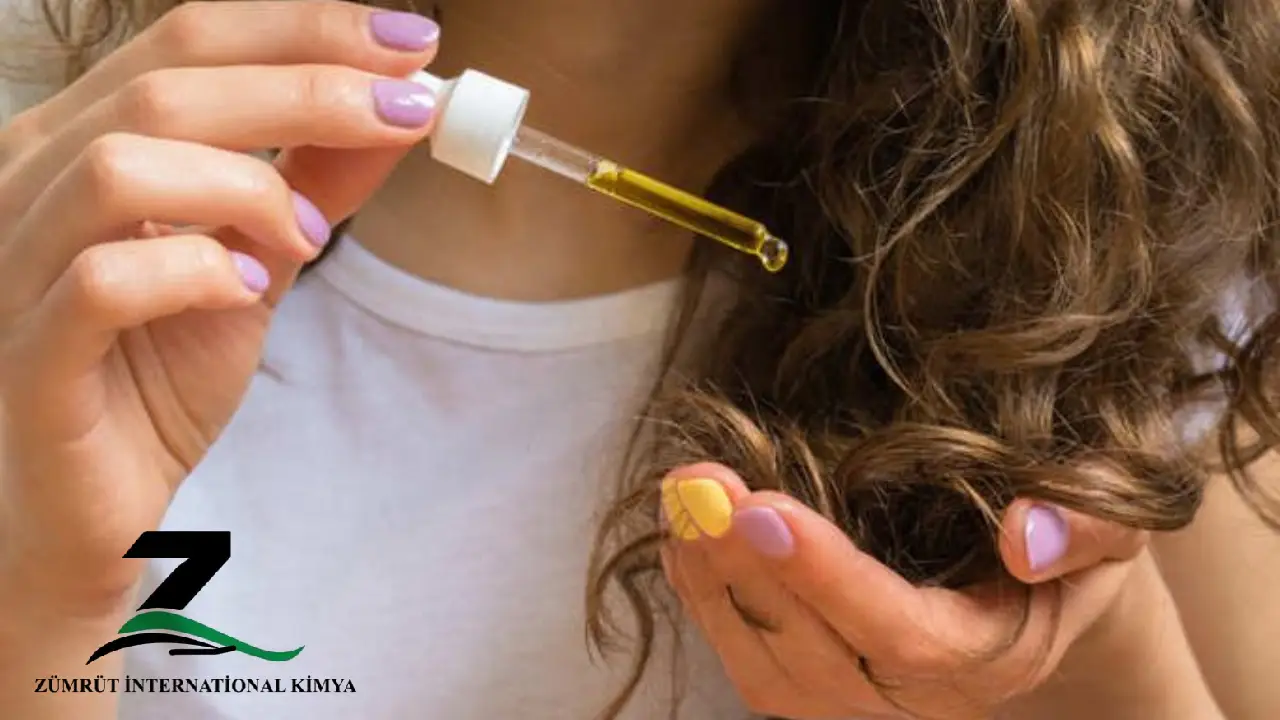
The use of paraffin hair products brings forward discussions on environmental considerations and user safety. Given its petroleum-based origin, paraffin’s ecological footprint and potential health implications are of interest to both consumers and manufacturers. This section delves into the sustainability aspects, safety measures, and best practices for using paraffin-based hair care products responsibly.
Environmental Considerations
Paraffin wax and oil, derivatives of petroleum, are subject to scrutiny regarding their environmental impact. The extraction and refinement processes of petroleum products contribute to carbon emissions and environmental degradation. Furthermore, the non-biodegradable nature of synthetic paraffin poses challenges in waste management and pollution.
Mitigating Environmental Impact:
- Sustainable Sourcing: Opting for paraffin products from companies that invest in responsible sourcing and refining practices.
- Minimizing Usage: Using paraffin products sparingly and exploring natural alternatives when possible.
- Proper Disposal: Following local guidelines for disposing of cosmetic products to minimize environmental harm.
Safety and Health Considerations
When it comes to personal safety, the purity of paraffin products is paramount. Highly refined, cosmetic-grade paraffin oil is considered safe for topical use and is approved by health authorities in many countries. However, unrefined or contaminated paraffin can contain polycyclic aromatic hydrocarbons (PAHs), which are potentially carcinogenic.
Safety Best Practices:
- Choosing High-Quality Products: Opt for pharmaceutical-grade or cosmetic-grade paraffin products that have undergone rigorous refining processes.
- Patch Testing: Conduct a patch test to check for allergic reactions or skin sensitivities.
- Ventilation: When using paraffin-based products, especially in a heated state, ensure adequate ventilation to avoid inhalation of fumes.
Navigating Usage for Health and Environment
The decision to use paraffin hair products should be informed by an understanding of both their environmental impact and the safety standards that mitigate health risks. Consumers are encouraged to weigh the benefits of paraffin’s hair-enhancing properties against the potential environmental costs and health considerations.
Alternatives and Solutions:
- Eco-Friendly Alternatives: Exploring natural oils and butters that offer similar benefits without the ecological footprint associated with petroleum products.
- Responsible Consumption: Supporting brands that prioritize sustainability and safety in their product development and packaging.
While paraffin hair products offer notable benefits for hair care, their environmental and safety aspects cannot be overlooked. By making informed choices, seeking out responsibly produced products, and employing best practices for safe use, consumers can mitigate the impact on both the environment and their health. As the beauty industry evolves, the push towards more sustainable and safer alternatives is likely to shape the future of hair care products, including those based on paraffin.
DIY Hair Treatments with Liquid Paraffin: Recipes for Shine and Strength
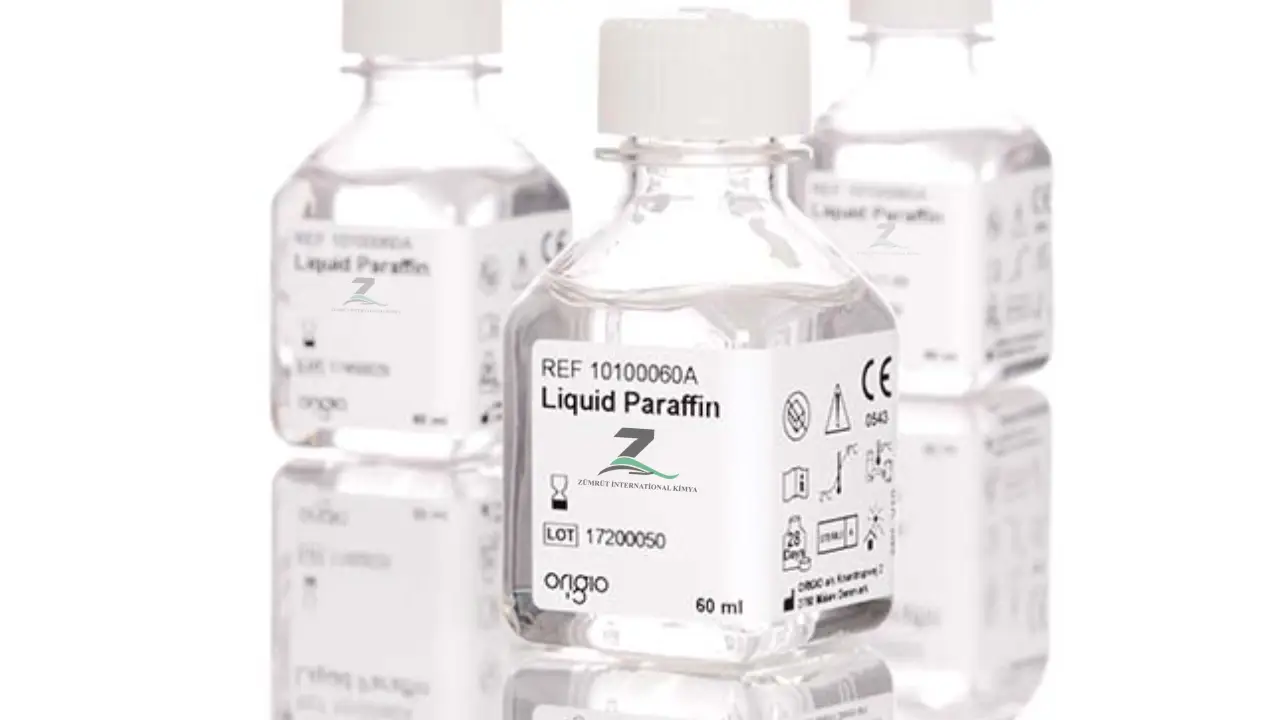
Harnessing the benefits of liquid paraffin at home can transform your hair care routine, offering a cost-effective way to achieve salon-quality results. These DIY hair treatment recipes, featuring liquid paraffin as a key ingredient, are designed to enhance shine, strength, and overall hair health. Let’s explore how you can create these potent treatments with simple ingredients from your kitchen or local health store.
- Basic Liquid Paraffin Hair Mask
Ingredients:
2 tablespoons of liquid paraffin (pharmaceutical grade)
1 tablespoon of coconut oil
1 tablespoon of honey
Instructions:
- Combine all ingredients in a saucepan and warm gently over low heat until the mixture is fully blended. Do not overheat.
- Apply the warm mixture to damp hair, focusing on mid-lengths to ends. Avoid the scalp to prevent greasiness.
- Wrap your hair in a towel or shower cap and leave the mask on for at least 30 minutes.
- Rinse thoroughly with warm water and follow with your regular shampoo and conditioner.
This mask deeply moisturizes the hair, leaving it silky smooth and shiny.
- Liquid Paraffin and Aloe Vera Conditioning Treatment
Ingredients:
- 2 tablespoons of liquid paraffin
- 1/4 cup of aloe vera gel
- A few drops of lavender essential oil (optional for fragrance)
Instructions:
- Mix the liquid paraffin and aloe vera gel in a bowl. Add lavender essential oil if desired.
- Apply the mixture to clean, damp hair, focusing on the ends.
- Leave the treatment in your hair for about 20 minutes.
- Rinse out the treatment with warm water and shampoo gently.
Aloe vera hydrates the hair while liquid paraffin seals in moisture, promoting strength and elasticity.
- Paraffin Oil Scalp Treatment for Dry Scalp
Ingredients:
- 1 tablespoon of liquid paraffin
- 2 tablespoons of olive oil
- A few drops of tea tree oil
Instructions:
- Mix the oils together and warm slightly. Ensure the mixture is comfortably warm to touch but not hot.
- Massage the mixture into your scalp for several minutes, promoting circulation.
- Cover your hair with a shower cap and let the treatment sit for about 30 minutes.
- Wash your hair with a gentle shampoo to remove the oil.
This treatment is excellent for soothing dry, itchy scalps, with tea tree oil providing antibacterial benefits.
- Intensive Repair Serum for Split Ends
Ingredients:
- 1 tablespoon of liquid paraffin
- 1 tablespoon of jojoba oil
- 1 tablespoon of argan oil
Instructions:
- Combine all the oils in a small bottle and shake well to mix.
- Apply a small amount to the ends of your hair when dry, focusing on areas with split ends.
- Leave it in as a leave-on treatment; no need to rinse.
This serum is perfect for daily use to prevent and treat split ends, providing a protective barrier against environmental damage.
Creating your own hair treatments with liquid paraffin offers a personalized approach to hair care. These DIY recipes are not only easy to make but also provide a luxurious, nourishing experience for your hair, promoting shine, strength, and health. Regular use of these treatments, alongside a balanced hair care regimen, can yield significant improvements in the condition and appearance of your hair.