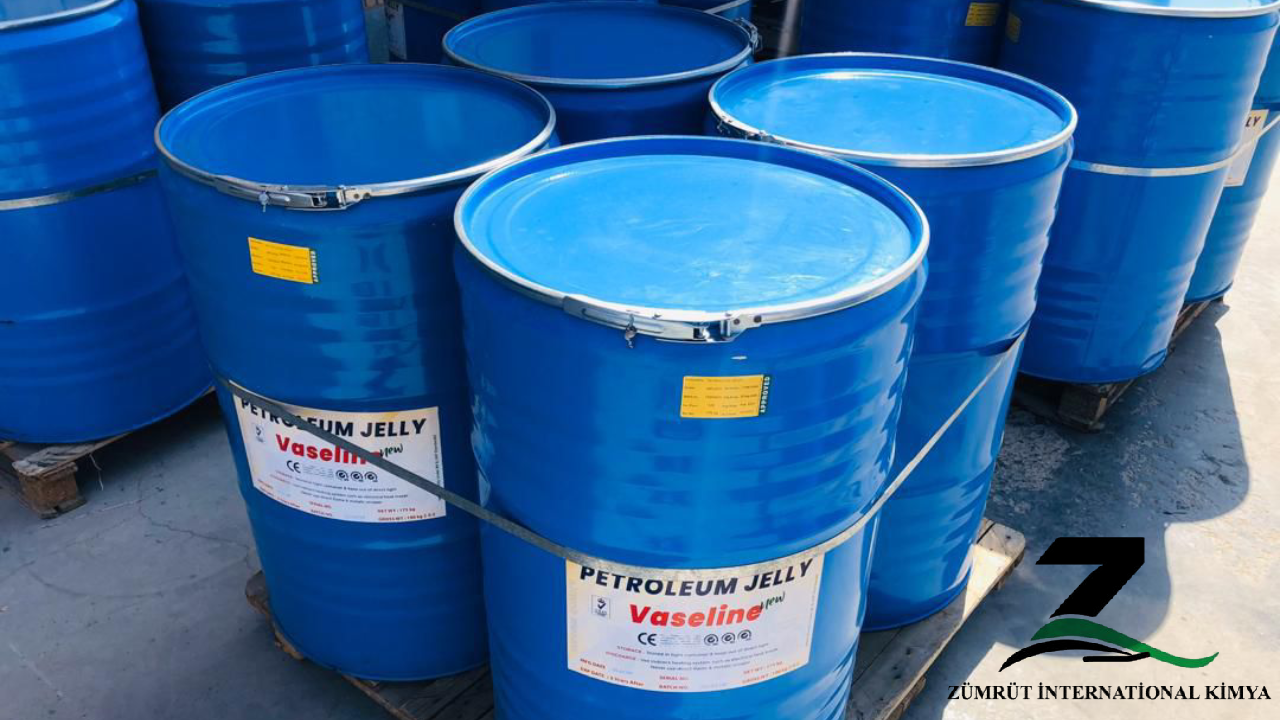
- What is Petroleum Jelly and How Does It Work
- Key Components of Petroleum Jelly
- Key Functions of Petroleum Jelly in Moisturizers
- Types of Moisturizers Containing Petroleum Jelly
- Ideal Uses for Petroleum Jelly
- How Petroleum Jelly Retains Moisture to Hydrate and Protect the Skin
- Comparing Petroleum Jelly with Other Moisturizers for Sensitive Skin Care
- Is Petroleum Jelly Safe for All Skin Types? Sensitivity and Allergy Insights
What is Petroleum Jelly and How Does It Work
Petroleum jelly is a semi-solid mixture of hydrocarbons that is derived from petroleum, a natural substance obtained through the refining of crude oil. Its primary function as a moisturizer is due to its occlusive properties, which create a barrier over the skin to prevent moisture loss. This characteristic makes petroleum jelly a unique option compared to other types of moisturizers like humectants (e.g., glycerin) and emollients (e.g., lanolin), which work by attracting moisture to the skin or softening it.
Key Components of Petroleum Jelly
Petroleum jelly primarily consists of:
- Alkanes and Cycloalkanes: These hydrocarbons form a stable barrier on the skin’s surface.
- Paraffins: Known for their water-resistant qualities.
This unique composition allows it to retain moisture without being absorbed deeply into the skin. Its low reactivity also reduces the likelihood of skin irritation, making it ideal for sensitive skin.
Key Functions of Petroleum Jelly in Moisturizers
- Sealing in Moisture
One of the primary benefits of petroleum jelly is its ability to create a protective layer on the skin, preventing moisture loss. This is particularly beneficial for individuals with dry or sensitive skin. - Soothing and Healing
Petroleum jelly aids in the healing of minor cuts, burns, and chapped skin by providing a barrier against environmental aggressors, reducing irritation and promoting faster recovery. - Enhancing Skin Softness
By locking in moisture, petroleum jelly keeps the skin soft and supple. This is especially useful for rough areas such as elbows, knees, and heels. - Preventing Skin Irritation
Its hypoallergenic and non-comedogenic properties make petroleum jelly suitable for sensitive skin, helping to prevent irritation caused by harsh weather conditions or frequent washing. - Protecting Against Harsh Elements
Petroleum jelly shields the skin from harsh environmental factors such as wind, cold, and pollution, which can contribute to excessive dryness and damage.
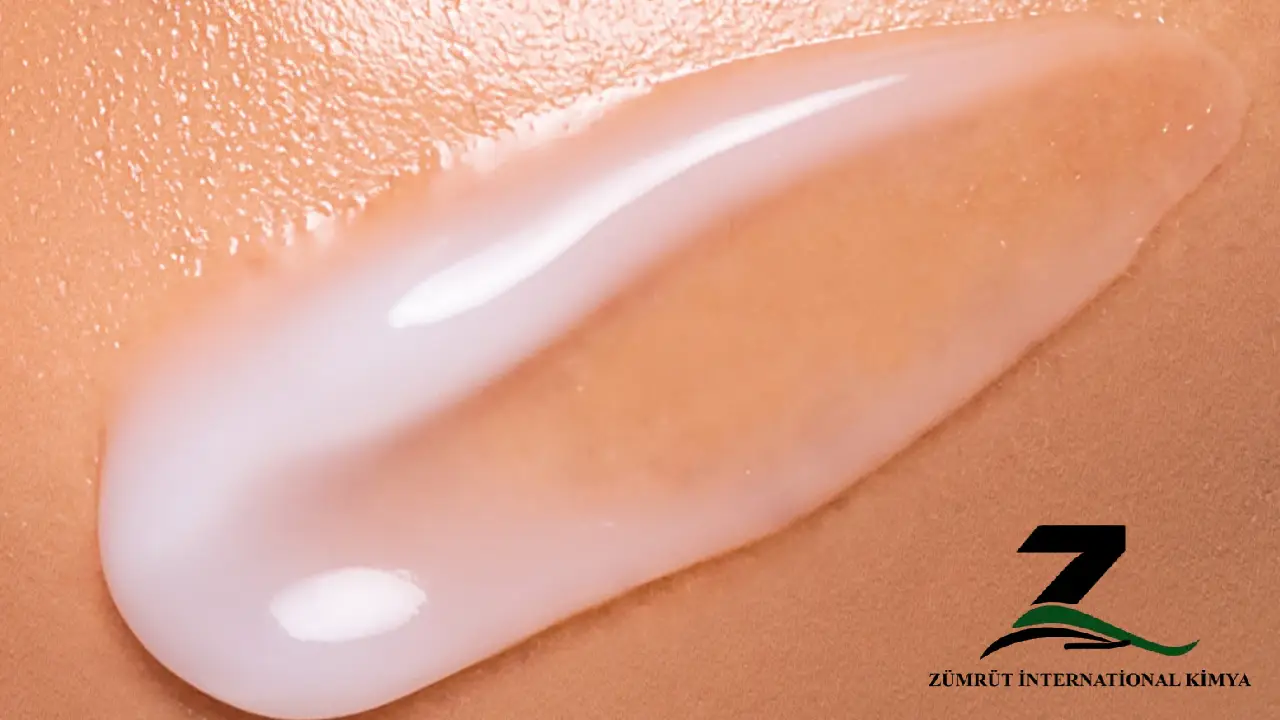
Types of Moisturizers Containing Petroleum Jelly
Petroleum jelly is found in various skincare products, including:
- Creams and Lotions – Ideal for daily hydration and nourishment.
- Ointments – Provide intensive moisture for extremely dry or damaged skin.
- Lip Balms – Help protect lips from chapping and cracking.
Benefits of Petroleum Jelly as a Moisturizer
Petroleum jelly has a range of benefits for skin care, including:
- Intense Moisture Retention
Due to its occlusive nature, petroleum jelly prevents transepidermal water loss (TEWL) by up to 99%, which is the process by which water evaporates from the skin’s surface. This makes it particularly beneficial for individuals with dry skin conditions, as it provides a lasting layer of hydration. - Enhanced Skin Barrier Protection
By forming a barrier on the skin, petroleum jelly protects against environmental factors, including wind, cold, and dry air, which can worsen skin conditions like eczema or psoriasis. This barrier effect also aids in protecting minor cuts and scrapes from infection by keeping them shielded from external elements. - Soothing and Healing Properties
Petroleum jelly has been shown to soothe irritated and inflamed skin, making it useful for treating chapped lips, cracked heels, and even minor burns. Its occlusive nature helps create an environment that promotes healing by keeping the affected area moisturized, which is essential for skin repair.
Ideal Uses for Petroleum Jelly
- Moisturizing Dry Skin: Applying petroleum jelly to damp skin after showering or bathing can maximize hydration.
- Post-Procedure Care: Dermatologists recommend petroleum jelly for protecting the skin post-procedures like laser treatments or chemical peels due to its gentle yet effective barrier.
- Daily Eczema Care: For individuals with eczema, daily use of petroleum jelly on sensitive skin areas helps reinforce the skin barrier and retain moisture without the risk of irritants.
Advances in Petroleum Jelly Formulations for Skincare
In recent years, innovative blends of petroleum jelly have been developed to improve user experience and broaden its application. Some of these new formulations include:
- Micro-encapsulated petroleum jelly for more controlled application and absorption.
- Combined formulations with humectants and emollients for a lighter texture.
These advancements aim to maintain the moisturizing efficacy of petroleum jelly while improving texture, feel, and application, appealing to both traditional users and those with modern skincare preferences.
Petroleum jelly remains a powerful, cost-effective, and accessible moisturizer, particularly beneficial for dry or damaged skin due to its occlusive nature. Its ability to retain moisture, protect the skin barrier, and aid in skin recovery after procedures makes it an invaluable addition to both personal and professional skincare routines. With recent innovations in formulation, it continues to evolve to meet the needs of a diverse range of skin types and preferences.
How Petroleum Jelly Retains Moisture to Hydrate and Protect the Skin
Petroleum jelly, or petrolatum, is widely recognized for its unparalleled ability to retain moisture, making it a staple in skincare, particularly for those with dry or sensitive skin. This hydrating power stems from its unique occlusive properties, which allow it to form a protective layer over the skin. This section will detail the mechanisms behind petroleum jelly’s moisture retention, its effectiveness in skin hydration, and why it is especially valuable in protecting the skin from environmental stressors.
The Occlusive Nature of Petroleum Jelly
As an occlusive agent, petroleum jelly creates a physical barrier over the skin’s surface. This barrier is essential for reducing transepidermal water loss (TEWL), which is the process through which water evaporates from the skin. Studies have shown that petroleum jelly can reduce TEWL by up to 99%, making it one of the most effective moisturizers in preventing dehydration of the skin’s outer layer.
How Does Occlusion Work?
The occlusive barrier formed by petroleum jelly is primarily composed of long-chain hydrocarbons that are densely packed. This structure blocks the passage of water molecules, thus preventing them from evaporating from the skin. Unlike humectants, which draw moisture to the skin from the environment, petroleum jelly retains the water already present in the skin, which is particularly beneficial in dry or low-humidity environments.

Comparing Petroleum Jelly with Other Moisturizers for Sensitive Skin Care
When it comes to moisturizers for sensitive skin, petroleum jelly has remained a popular choice due to its simple, hypoallergenic formulation and high moisture-retaining ability. However, it’s not the only option available. Many other moisturizers, including humectants, emollients, and combination products, offer unique benefits that cater to different skin needs. This section examines how petroleum jelly compares to other types of moisturizers, particularly in terms of effectiveness, texture, ingredients, and suitability for sensitive skin.
Key Types of Moisturizers for Sensitive Skin
Before we delve into comparisons, let’s look at the three primary types of moisturizers:
- Occlusives: Create a barrier on the skin to prevent moisture loss. Examples include petroleum jelly and mineral oil.
- Humectants: Draw water into the skin from the environment or deeper skin layers. Common humectants include glycerin and hyaluronic acid.
- Emollients: Soften and smooth the skin by filling in cracks between skin cells. Emollient ingredients include ceramides, lanolin, and natural oils.
Is Petroleum Jelly Safe for All Skin Types? Sensitivity and Allergy Insights
Petroleum jelly, also known as petrolatum, has been a trusted skincare staple for over a century, celebrated for its hydrating and protective properties. While it is generally considered safe for most skin types, questions arise regarding its suitability for sensitive, acne-prone, and highly reactive skin types. This section addresses the safety profile of petroleum jelly, examining its hypoallergenic qualities, potential for skin irritation or pore clogging, and insights into allergic reactions.
Hypoallergenic Nature of Petroleum Jelly
Petroleum jelly is often praised for being hypoallergenic, meaning it has a low risk of causing allergic reactions or irritation. It is composed of purified hydrocarbons, which undergo rigorous refinement to remove impurities, resulting in a product that is inert and gentle on the skin. This lack of active ingredients or fragrances makes petroleum jelly ideal for sensitive skin, as it contains no additives that might irritate.