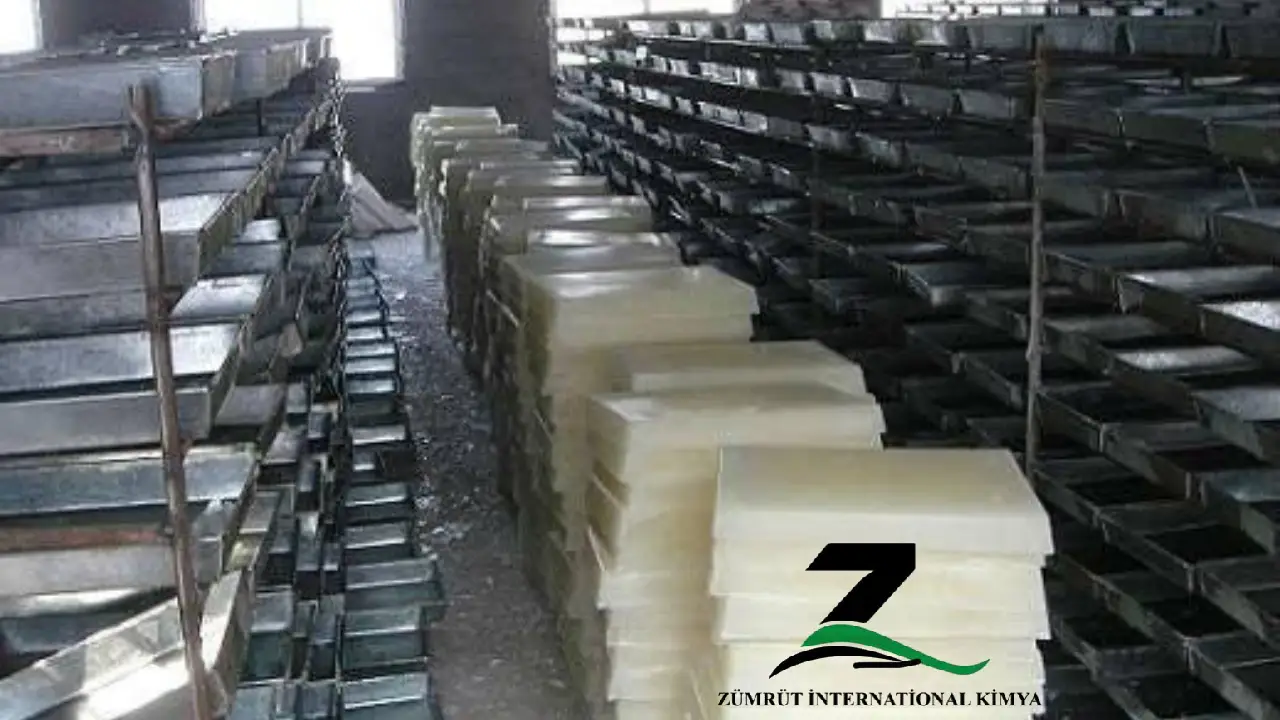
PARAFFIN Definition
Candle Wax is a term that can refer to different types of hydrocarbons. The most common definitions include:
- Paraffin Wax : A white or colorless soft solid derived from saturated hydrocarbons. It’s often used in candle making, as a lubricant, and for coating and sealing purposes.
- Paraffin Oil : Also known as mineral oil, it is a clear, odorless oil derived from petroleum and used in medicine, cosmetics, and as a fuel.
- Alkanes : In chemistry, paraffin refers to a class of hydrocarbons with the general formula CₙH₂ₙ₊₂, known as alkanes. These are saturated hydrocarbons with single bonds between carbon atoms.
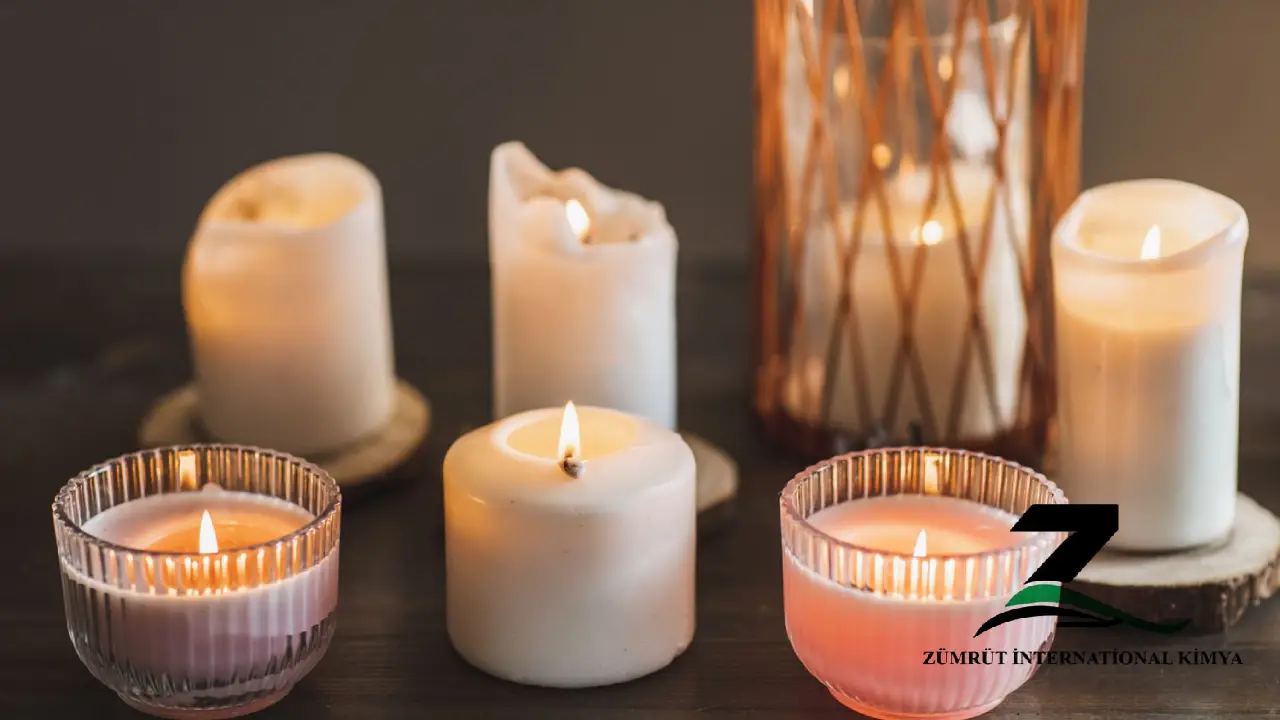
Candle Making: It is one of the most common materials used in candle production due to its low cost, ease of use, and ability to hold fragrance and color.
The importance of using paraffin wax in candle making in African countries
Paraffin wax plays a significant role in candle making in African countries for several reasons:
- Economic Benefits : Candle making provides a source of income for many individuals and small businesses. The production and sale of candles can contribute to local economies, offering job opportunities and supporting livelihoods.
- Readily Available and Affordable : Paraffin wax is widely available and relatively inexpensive compared to other types of waxes like beeswax or soy wax. This makes it a cost-effective choice for candle makers in Africa.
- Consistent Quality : Paraffin wax offers a consistent and reliable quality, which is essential for producing candles with predictable burn times and performance. This consistency helps in maintaining customer satisfaction and trust.
- Versatility : Paraffin wax can be easily colored and scented, allowing for a wide variety of candle products to be made, from decorative to functional candles. This versatility appeals to diverse market demands and consumer preferences.
- Energy Source : In regions with unreliable electricity supply, candles are an essential source of light. Paraffin wax candles provide a reliable and affordable alternative for lighting homes, schools, and businesses.
- Cultural and Religious Significance : Candles play a vital role in various cultural and religious ceremonies across Africa. Paraffin wax candles are often used in rituals, celebrations, and memorials, making them an integral part of many communities’ cultural practices.
Paraffin Applications
Paraffin has a wide range of applications across various industries, including:
- Candle Making: Candle Wax is commonly used as the primary ingredient in candle manufacturing due to its ability to hold fragrance and color well.
- Cosmetics: It is utilized in cosmetics such as lipsticks, lip balms, creams, and lotions for its moisturizing and emollient properties.
- Pharmaceuticals: Candle Wax is found in ointments and creams for its moisturizing and protective qualities, often used in treatments for dry skin conditions like eczema.
Food Industry: It can be used as a coating for fruits and vegetables to extend their shelf life and improve their appearance. - Packaging: Paraffin wax coatings are applied to paper and cardboard packaging to provide moisture resistance and enhance durability.
- Therapeutic Treatments: Paraffin wax baths are utilized in spas and physical therapy clinics to soothe muscles and joints and to soften and moisturize the skin.
- Industrial Applications: It serves as a lubricant, a sealant for jars and cans, and an ingredient in various manufacturing processes such as rubber production and electrical insulation.
Art and Craft: Paraffin wax is used in art and craft projects, such as encaustic painting, where it is melted and applied as a colored medium. - Modeling: It is used in sculpting and modeling to create temporary molds or shapes due to its ability to harden when cooled.
The role of Candle Wax candle making in the economy of African countries
The production of paraffin candles significantly impacts the economies of African countries in several ways:
- Employment Generation : Candle making provides jobs for many people, particularly in rural and underdeveloped areas. It offers opportunities for self-employment and small business ventures, helping to reduce unemployment rates.
- Entrepreneurship : The relatively low startup costs for candle making enable many individuals to start their own businesses. This fosters entrepreneurship and innovation, contributing to economic diversification and growth.
- Export Potential : High-quality candles can be exported, generating foreign exchange and boosting the national economy. Countries like South Africa have developed a niche market for artisanal and decorative candles, which are popular in international markets.
- Value Addition : Candle making adds value to raw materials like paraffin wax, which might otherwise be exported in its raw form. By processing and creating finished goods, countries can retain more economic value within their borders.
- Local Industry Support : The candle making industry supports related sectors, such as packaging, retail, and distribution. This creates a multiplier effect, where growth in one industry stimulates growth in others.
- Energy Security : In areas with unreliable electricity supply, candles provide an essential source of light. This reduces the economic impact of power outages and allows businesses and households to function more effectively.
- Cultural Preservation : Many African countries use candles in cultural, religious, and ceremonial contexts. The local production of candles supports the preservation of cultural traditions and practices, which can also attract tourism and related economic activities.
- Income Diversification : For farmers and other primary producers, candle making can offer an additional source of income, helping to stabilize household earnings and reduce poverty.
Can Candle Wax be reused or recycled?
white wax can be reused or recycled. Here are some ways to do so:
- Re-melting and Recasting : Paraffin wax can be collected from used candles, melted down, and then poured into molds to create new candles. This process can be repeated multiple times, making it an efficient way to reuse wax.
- Mixing with Fresh Wax : Used paraffin wax can be mixed with new wax to create candles. This helps in maintaining the quality of the candles while still reusing some of the old wax.
- Craft Projects : Leftover paraffin wax can be used in various craft projects, such as making fire starters, wax melts, or for batik fabric dyeing.
- Lubrication : Candle Wax can be used as a lubricant for tools, zippers, and drawers. Used wax can serve this purpose after being cleaned and filtered.
- Sealing and Coating : Recycled paraffin wax can be used for sealing jars, bottles, and other containers, as well as for coating and waterproofing materials.
- Industrial Uses : In some cases, recycled paraffin wax can be used in industrial applications, such as in the production of polishes, inks, and cosmetics.
How should Candle Wax be stored?
Paraffin wax should be stored properly to maintain its quality and usability. Here are some guidelines for storing paraffin wax:
- Cool, Dry Place : Store paraffin wax in a cool, dry place away from direct sunlight and heat sources. Excessive heat can cause the wax to soften or melt, while moisture can affect its quality.
- Airtight Containers : Use airtight containers or plastic bags to store paraffin wax. This helps to prevent dust, dirt, and moisture from contaminating the wax.
- Stable Temperature : Keep the wax in an environment with a stable temperature to avoid fluctuations that could lead to condensation or other issues.
- Away from Chemicals : Store paraffin wax away from strong-smelling chemicals or substances, as it can absorb odors.
- Labeling : If you have different types or batches of wax, label the containers with the type of wax and the date of storage. This helps in keeping track of inventory and ensures you use older wax first.
- Avoid Crushing : Store wax in a way that prevents it from being crushed or deformed. Keep it in solid blocks or slabs rather than thin layers that can easily break.
The names of the African countries with the highest demand for candle making paraffin
The African countries with the highest demand for Candle Wax for candle making are generally those with significant issues related to electricity access or where candles are a major source of lighting. These countries include:
- Nigeria: Due to frequent power outages and unreliable electricity supply.
- Kenya: Where many rural areas experience inconsistent electricity.
- Ghana: A high demand for candles due to similar electricity issues.
- South Africa: Despite relatively better infrastructure, power outages and load shedding increase candle usage.
- Ethiopia: Where access to consistent electricity is limited in many areas.
- Tanzania: Many rural areas rely on candles for lighting.
- Uganda: Limited electricity access drives the demand for candles.
- Zambia: Electricity supply can be erratic, leading to high candle use.
- Zimbabwe: Ongoing power supply issues boost the demand for candles.
- Mozambique: Limited access to reliable electricity makes candles a crucial lighting option.
These countries have substantial candle-making industries due to the need for reliable and affordable lighting solutions in areas with limited or inconsistent electrical power.
Zumrut Kimya Co : Africa’s Leading Paraffin Wax Supplier Including Countries Like Morocco-Algeria-Sudan-Kenya-Ghana And …
Zumrut Kimya is one of the largest manufacturers and suppliers of paraffin wax to the African continent, offering fully refined, semi-refined and loose wax of high quality for various industries. With a strong focus on quality, reliability and customer satisfaction, the company serves industries such as candle making, packaging, rubber and cosmetics.
Supported by state-of-the-art production facilities and an established logistics network, Zumrut Kimya co ensures efficient delivery and competitive pricing across Africa. As a reliable partner, the company continues to expand its reach and provide customized solutions to meet the diverse needs of its customers.